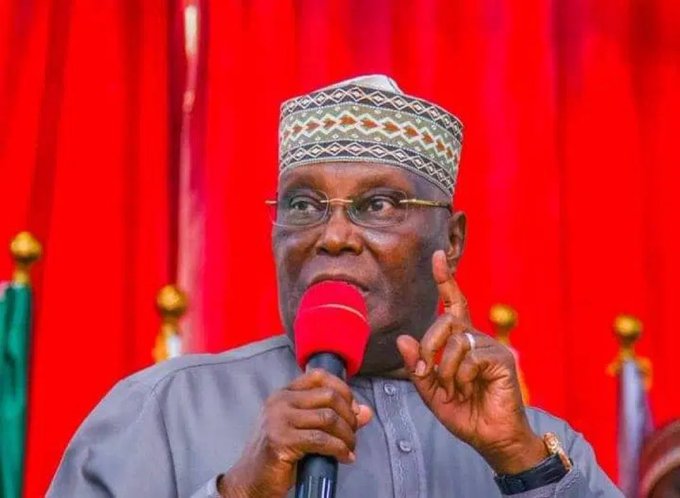
ABUJA — Senator Seriake Dickson, the National Leader of the newly formed Nigeria Democratic Congress (NDC), has voiced a bold prediction regarding the 2027 general elections. During a recent appearance on Channels Television’s Sunday Politics, the former Bayelsa State Governor asserted that the ruling All Progressives Congress (APC) is headed for a "massive electoral defeat," provided that the electoral process is conducted with integrity, transparency, and a commitment to democratic norms.
The Pulse of the Nation: Why the APC Faces Headwinds
Senator Dickson’s projection is not merely based on political rhetoric but is framed as a response to what he describes as widespread frustration among the Nigerian populace. According to Dickson, the current administration, led by President Bola Tinubu, has failed to meet the yearnings and aspirations of the people, particularly regarding the economy, security, and infrastructure.
"As a Nigerian who knows the feelings and yearnings of Nigerians, and who also knows that their aspirations have not been met, we believe that the APC government—the APC as a party, not just the President—will be defeated massively," Dickson stated during the interview. He suggested that the cumulative effect of the government’s policies has created a groundswell of desire for change that will manifest at the ballot box in 2027.
The Imperative for a Level Playing Field
A central theme of Dickson’s argument is the critical need for an unhindered electoral process. He emphasized that for the APC’s defeat to be realized, the Independent National Electoral Commission (INEC) must uphold the highest standards of neutrality. Dickson’s call is for a genuinely "free and fair" election, where the ruling party does not utilize the apparatus of state power to disadvantage the opposition.
"Allow every party that wants to contest," Dickson urged. "You can only defeat them in an electoral contest. So, let us have a free and fair election." This plea for an open democratic space is aimed at ensuring that the will of the Nigerian voter remains the only factor determining the outcome of the polls, rather than political maneuvering or institutional interference.
Read Also: Prof. Iyabo Obasanjo Resigns from APC, Cites Disrespect and Marginalization in Ogun State
Opposition Strategy: The Path to Coalition
The political landscape heading into 2027 is highly fluid, and Senator Dickson confirmed that the NDC is actively positioning itself within the broader opposition movement. He acknowledged that the NDC is open to strategic conversations regarding potential coalitions with other opposition parties. While he noted that it is currently too early to outline the specific framework of any such alliance, he stressed that the party’s priority is to see a collaborative approach that prioritizes the strongest candidates.
Dickson highlighted that the NDC is ready to bring value to any such alliance, emphasizing the strength and vision of their proposed candidates. By seeking to aggregate the power of various opposition groups, the NDC aims to present a united front capable of challenging the ruling party’s hold on power.
Addressing Legal Challenges: A Dismissal of "Frivolous" Tactics
Beyond the electoral strategy, Senator Dickson addressed the legal hurdles currently facing the NDC, particularly a lawsuit seeking the party’s deregistration and a dispute over its official logo. Dickson categorically dismissed these legal maneuvers as "frivolous" and politically motivated, characterizing them as attempts by the ruling establishment to stifle competition.
He maintained that the NDC has been fully compliant with all constitutional and legal requirements since its registration earlier this year. Regarding the controversy surrounding the party’s logo—a peace sign—Dickson defended the choice, noting that it is an internationally recognized symbol used by global leaders and activists for decades. He expressed total confidence that the judiciary would see through these challenges and that all NDC candidates would be cleared to appear on the ballot for future elections.
Looking Toward 2027
As Nigeria moves closer to the next election cycle, the rhetoric from leaders like Senator Dickson highlights a growing determination among the opposition to capitalize on public dissatisfaction. The emergence of the NDC, with its focus on coalition building and a platform rooted in systemic reform, introduces a new dynamic into the political arena.
For the ruling APC, these predictions of electoral defeat serve as a clear signal of the uphill battle they face in maintaining their position. For the Nigerian electorate, the discourse emphasizes the importance of remaining engaged in the democratic process. Ultimately, as Senator Dickson posited, the power lies in the electoral contest. Whether the 2027 polls result in a status quo or a massive shift in power will depend heavily on the ability of the electoral authorities to ensure that the process remains transparent and that the voices of the people are accurately reflected in the final tally.
As the political landscape continues to evolve ahead of 2027, what do you think will be the most significant factor in the next general election? Share your perspective in the comments below.