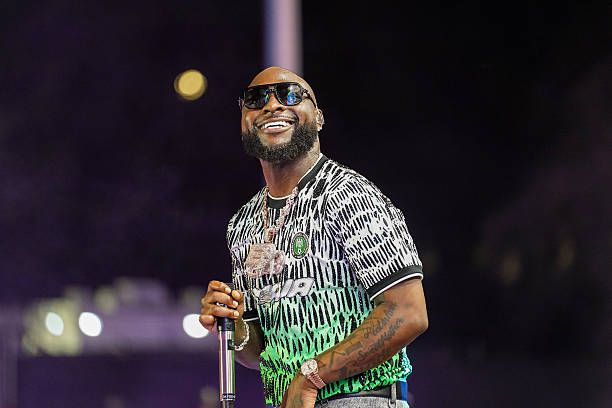
LAGOS, NIGERIA — Afrobeats titan and Grammy-nominated recording artist David Adeleke, popularly known as Davido, has offered a rare, unfiltered look into the staggering financial realities of maintaining his high-profile lifestyle. In a candid conversation on the Davrel Twitch stream on Tuesday, the music mogul disclosed that his monthly personal expenses in Nigeria frequently range between $200,000 and $300,000, a figure that notably excludes his most significant capital outlays.
The revelation has sent shockwaves through social media, sparking a wider national conversation about the economics of celebrity, the "OBO" (Omo Baba Olowo) lifestyle, and the significant financial overhead required to maintain a massive support system within the Nigerian entertainment ecosystem.
Breakdown of the ‘OBO’ Economy: What Costs $300,000 a Month?
For the average Nigerian, $300,000 (roughly ₦480 million at current unofficial exchange rates) is a sum that could fund a multi-year business operation. For Davido, it is merely his monthly "personal" burn rate.
During his Twitch interview, the "Timeless" singer provided essential context for these figures. He clarified that the $200,000–$300,000 estimate specifically covers his immediate daily spending, logistics, and personal movement. Crucially, the superstar emphasized that several major financial categories are excluded from this tally:
-
Family Upkeep: The expenses for his wife, Chioma Adeleke, and their children are managed separately.
-
Capital Assets: Significant investments such as luxury vehicle acquisitions, jewelry collections, and real estate maintenance are categorized as capital expenditure, not operational monthly spending.
-
Household Overhead: The maintenance of his expansive residential properties and the salaries for his extensive domestic staff fall outside this specific personal spending bracket.
When asked to explain why his Nigerian expenses dwarf his spending while abroad, the singer pointed to the fundamental difference in his operational environment.
"I actually spend less in 'Yankee' [the United States] because I live with just me, my wife, and my kids," Davido explained. "When I’m around [in Nigeria], I spend a lot more. We are balling every day."
The Social and Economic Infrastructure of Afrobeats Success
Davido’s admission highlights a phenomenon often overlooked by fans: the "celebrity ecosystem." In the Nigerian context, success is rarely a solitary endeavor. For a global superstar like Davido, maintaining a brand involves a rotating cast of security personnel, logistics teams, personal assistants, producers, and a wide circle of associates.
In Nigeria, the lack of robust public infrastructure often forces high-net-worth individuals to create their own "private infrastructure." This includes:
-
Security: Providing 24/7 protection for himself and his team.
-
Private Aviation & Logistics: The cost of chartering jets and maintaining a fleet of vehicles to ensure timely movement between engagements.
-
Hospitality: Providing for his immediate circle during tours, studio sessions, and social outings.
"When I am in Nigeria, the scale of people I interact with and the responsibilities I take on—not just for myself, but for those around me—is massive," he hinted. This suggests that a significant portion of his "personal" spending is effectively a form of communal financial support, a common trait among Nigeria’s most successful public figures.
A Pivot Toward Social Impact: The Mental Health Initiative
While the conversation initially centered on his lavish lifestyle, the narrative took a poignant turn when Davido announced plans for a new philanthropic venture. The singer revealed his intent to build a mental health therapy centerspecifically for former celebrities and public figures who have struggled to navigate the psychological toll of losing fame and relevance.
This initiative is a deeply personal project for the singer, who has witnessed firsthand the volatile nature of the entertainment industry. He noted that the transition from the height of public adoration to relative obscurity can be devastating for the mental health of many creatives.
"If there is one thing I could do, I would build a center for people that have been popular and very successful before," Davido stated. "I have seen how hard it is for people to cope when the applause dies down. We need to create a space for them to heal, reset, and find value outside of the fame."
This move reflects a growing trend among African superstars who are increasingly using their wealth and influence to tackle systemic social issues in their home countries.
The ‘Davido Effect’: Financial Transparency in Afrobeats
Davido has long been known for his "open book" approach to wealth. From documenting his luxury watch collections to his frequent public acts of charity, he occupies a space in the Nigerian consciousness where his financial status is an integral part of his brand identity.
However, this level of transparency is rare. Most global artists keep their burn rates closely guarded. By sharing these numbers, Davido is not only fueling public intrigue but also providing a rare glimpse into the business of being a top-tier Afrobeats artist in 2026.
Why Public Interest Remains High
1. Aspiration: For millions of young Nigerians, Davido represents the "hustle" and the ultimate success story.
2. Economic Reality Check: His figures offer a reality check on the cost of maintaining global-level operations in an emerging economy.
3. Charity vs. Consumption: The contrast between his personal spending and his commitment to building a mental health center creates a complex, multi-dimensional image of the modern celebrity.
Conclusion: A Complex Public Figure
Whether one views his spending as excessive or a necessary part of maintaining a global music empire, Davido’s candor is undeniable. He lives at the intersection of extreme wealth, cultural influence, and a genuine desire to provide for his community.
As he continues to balance the high costs of his lifestyle with his emerging focus on mental health advocacy and social development, the world will likely continue to watch the "OBO" story unfold. One thing is certain: in the world of Davido, the stakes both financial and emotional are always at an all-time high.
With artists increasingly stepping into the roles of social service providers, what regulatory or professional frameworks should the Nigerian government put in place to ensure that private initiatives, like Davido’s proposed mental health center, can be sustained long-term?