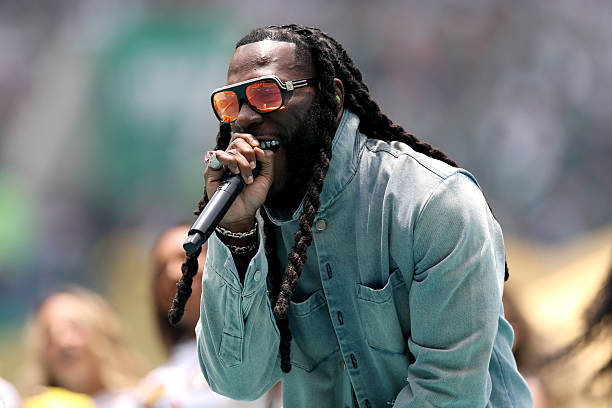
LOS ANGELES — On Wednesday, June 10, 2026, the eyes of the football world were fixed on Los Angeles as FIFA launched its global Countdown Concert series for the 2026 World Cup. The event at the iconic Crypto.com Arena was designed to be a festive, high-energy spectacle, featuring a collaborative performance by Afrobeats titan Davido and the electronic production trio Major Lazer. However, amidst the celebration, Davido ensured the event served a purpose far greater than entertainment.
A Performance Rooted in Advocacy
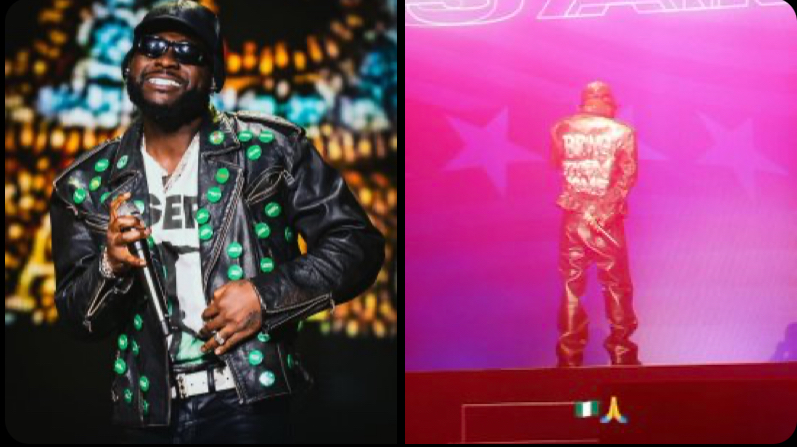
While the arena was filled with the celebratory atmosphere of a tournament-in-waiting, Davido used the international platform to draw global attention to a devastating humanitarian crisis unfolding in his home country. Throughout his set, the singer wore a custom-designed jacket emblazoned with the names of 39 schoolchildren and seven teachers who remain in captivity following a mass abduction in Nigeria.
The garment, which featured the stark, rallying call "Bring Them Home," transformed a commercial performance into a poignant moment of protest. For the millions of viewers tuning in via FIFA’s digital platforms and TikTok, the message was clear: while the world prepares for the beautiful game, a significant tragedy in Nigeria demands urgent attention and action.
The Oyo State Crisis: A National Tragedy
The backdrop for this high-profile protest is the ongoing crisis in the Ahoro-Esinele community of the Oriire Local Government Area in Oyo State, Nigeria. On May 15, 2026, a coordinated raid by armed gunmen targeted multiple educational facilities, resulting in the abduction of 39 students and seven members of the teaching staff.
The incident, which shocked the nation, has sparked widespread outrage and renewed calls for systemic change regarding the security of educational institutions. In the weeks following the raid, families of the victims have been left in a state of anguish, while community leaders have worked tirelessly to keep the names of the missing in the public eye.
The Nigerian government has faced immense pressure to secure the safe return of the captives. President Bola Tinubu has publicly ordered security agencies to intensify operations in the region, and the Nigerian Union of Teachers (NUT) has organized series of protests across the country, demanding that the federal government prioritize the protection of schools and provide safer learning environments for the nation’s youth.
Misinformation and the Power of the Platform
In the immediate aftermath of the Los Angeles concert, the intensity of the national tragedy led to a wave of online discussion. The convergence of a global celebrity event and a deep-seated humanitarian crisis created a breeding ground for both solidarity and confusion. As unverified claims regarding the nature of the protest act circulated on social media, it became evident that the public’s desire for the victims' safe return is driving an unprecedented level of online discourse.
Davido’s decision to use his platform at the FIFA World Cup Countdown was a strategic, deliberate act of solidarity. By wearing the names of the missing on his back, he effectively moved the conversation from domestic Nigerian news outlets onto the global stage. For many, his gesture served as a necessary reminder that the plight of these 46 Nigerians is not merely a local security issue, but a human rights tragedy that the international community cannot afford to ignore.
The Intersection of Music and Global Responsibility
Davido’s actions highlight the growing role of African artists as global influencers. With his massive following and reach across multiple continents, he occupies a unique space where pop culture meets political advocacy. This is not the first time the singer has utilized his influence to comment on social issues; however, the scale of this particular event—the official FIFA World Cup 2026 launch—provides a level of visibility that is nearly unparalleled.
By refusing to leave his advocacy at home, Davido demonstrated that even at the height of a global commercial event, the reality of one’s country cannot—and should not—be silenced. His performance at the Crypto.com Arena will likely be remembered not just for the music, but for the moral clarity he provided in a moment of national mourning.
As rescue operations in Oyo State continue, the "Bring Them Home" message has moved beyond a simple protest slogan and into a nationwide call to action. The persistence of the international community, amplified by voices like Davido’s, remains a critical component in ensuring that the lives of these 46 Nigerians remain at the forefront of national discourse until they are safely reunited with their families.
"Art has the power to bring people together, but it also has the power to hold a mirror up to the world. When 46 of our own are missing, the party does not stop—we use the stage to demand their freedom." — Industry observer on Davido’s performance.