ACCRA - Over the last decade, African music has conquered the global stage, selling out arenas from London to Los Angeles. However, as the industry celebrates this "Afrobeats" explosion, many of the continent's biggest stars are pushing back against the term, arguing that the label is stifling their creativity and erasing the diversity of African sound.
From Ghanaian highlife to South African Amapiano, artists like King Promise and Tyla are demanding that the world recognize African music as more than just a single genre.
The ‘Yardstick’ Problem
Ghanaian singer King Promise, who skyrocketed to global fame with his 2023 hit "Terminator", acknowledges that Afrobeats has become the global marketing standard for African music. However, he refuses to let it define his artistry.
“I won’t be mad if you call me an Afrobeats artist, but it’s only because it has become the yardstick", King Promise told CNN. His music is a sophisticated blend of R&B, highlife, and hip-hop sounds that he believes lose their identity when lumped under a generic umbrella. He argues that artists should have the freedom to choose their direction daily, whether it's soul, dancehall, or traditional highlife.
A Bittersweet Victory for Diversity
The debate reached a fever pitch at the 2024 MTV Video Music Awards. South African sensation Tyla, while accepting the Best Afrobeats award for her global smash "Water," described the win as "bittersweet".
Tyla pointed out that while Afrobeats opened doors, it often ignores the distinct origins of other sounds. "Water" is a pop-infused Amapiano track, yet it was categorized under Afrobeats. "African music is so diverse. It’s more than just Afrobeats", she reminded the global audience.
Wizkid, Burna Boy, Davido, and the Struggle for Genre Respect
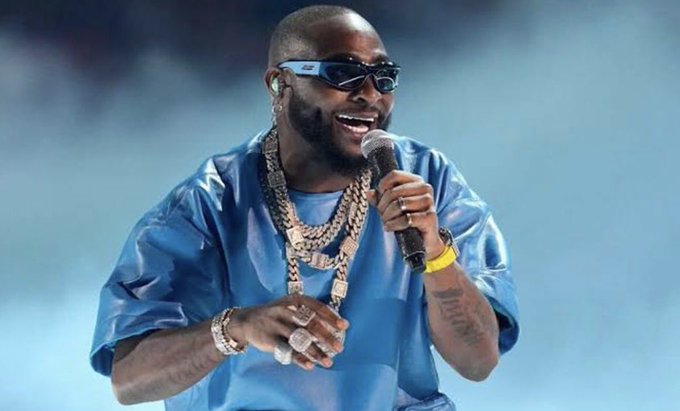
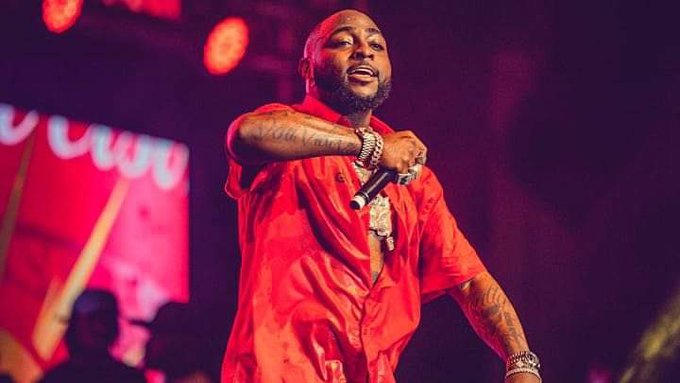
Nigerian icons like Wizkid, Davido, and Burna Boy have also distanced themselves from the label. Wizkid famously compared the situation to calling every American artist a "rapper", regardless of whether they sing country or pop.
Nigerian Afrosoul singer Simi echoed these sentiments, noting that in the West, artists like Adele are allowed to exist in their own genres without being "stifled". In contrast, African artists are often grouped together, forcing street-hop artists and soul singers to compete for the same accolades under one name.
The Future of the African Sound
Despite the naming controversy, the momentum of African music shows no signs of slowing down. King Promise believes that while the labels might be flawed, the foundation African traditional music is as permanent as Hip-Hop. He maintains that African music is finally "locking horns" with the biggest genres in the world and standing its ground.
Key Takeaways for Music Fans
1. Genre Confusion: Afrobeats (with an 's') is often confused with Fela Kuti’s "Afrobeat", a 1970s fusion of jazz and funk.
2. Identity Crisis: Global awards often group Highlife, Amapiano, and Afrosoul together, which artists say robs them of their cultural authenticity.
3. Marketing vs. Artistry: While the label helps Westerners find the music, it makes it harder for specialized artists to get the specific recognition they deserve.