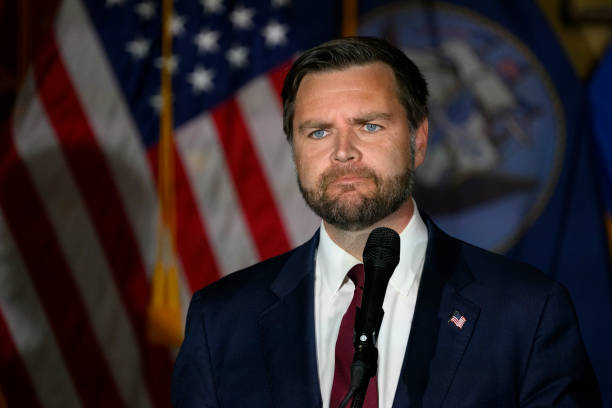
WASHINGTON — Vice President JD Vance held a press conference Thursday to defend the interim peace agreement recently struck between the Trump administration and the Islamic Republic of Iran. Addressing mounting criticism from both sides of the aisle, Vance maintained that the U.S. is not providing direct financial payments to Tehran and that any prospective economic benefits remain strictly conditional on Iran’s full compliance with the terms of the deal.
Conditional Terms and Compliance
The 14-point memorandum of understanding includes provisions for sanctions relief, access to previously frozen funds, and a proposed $300 billion reconstruction plan. Despite concerns regarding these concessions, Vance emphasized that the administration has built in strict safeguards. "The only way the Iranians get any of these resources is if they comply fully," Vance stated.
The agreement, which officially began a 60-day window for further negotiations on Thursday, mandates an immediate pause in military operations and the reopening of the Strait of Hormuz. Iranian leadership, including Supreme Leader Ayatollah Mojtaba Khamenei, confirmed they have accepted the memorandum under the assurance that Iran’s national interests and the "resistance front" remain protected.
Strategic Rationale and Sanctions
Vance addressed the decision to lift certain sanctions, arguing that previous efforts were "fundamentally ineffective" because Iran had continued to export oil despite U.S. restrictions. He suggested that lifting the sanctions provides the U.S. with greater transparency into Iran’s financial network. "By lifting the sanctions, we’re actually going to be able to see a little bit where their financial system actually sends money and receives money," he explained.
He further framed the agreement as a logical progression of the administration’s "pressure campaign," asserting that Iran’s nuclear program has been "completely destroyed," thereby justifying the move to the next phase of the diplomatic process.
Internal and External Criticism
The deal has faced significant scrutiny from U.S. lawmakers. Senator Mark Warner (D-Va.) described the agreement as a "bad bet" and a potential "international folly," while Senator Ted Cruz (R-Texas) warned against providing financial resources to the Iranian regime. Additionally, Senator Roger Wicker (R-Miss.) expressed concern that the memorandum might undermine previous U.S. military gains, specifically referencing the proposed reconstruction fund.
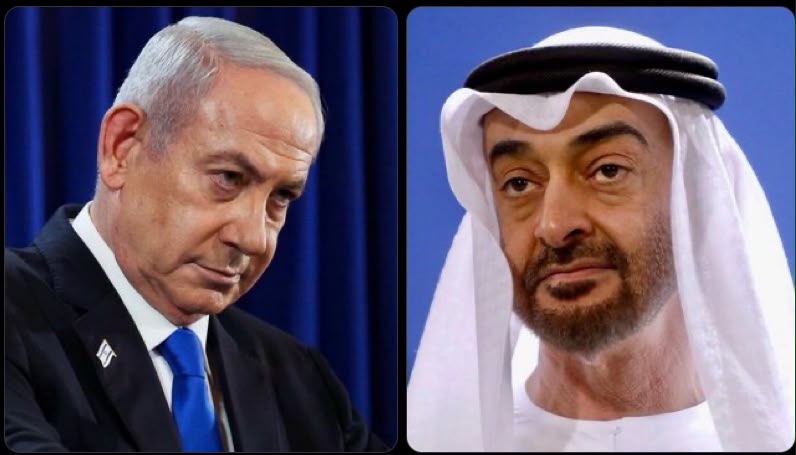
In a notably blunt response to Israeli officials who have critiqued the deal, Vance warned against alienating their only major international ally. "Donald J. Trump is the only head of state in the entire world who is sympathetic to the nation of Israel at this moment in time," Vance said, citing the significant American investment in Israel's defensive capabilities over the past three months.
The administration has promised a formal briefing for Congress in the coming days, though Vance noted that the White House remains confident in its executive authority to temporarily lift certain sanctions without immediate congressional approval.