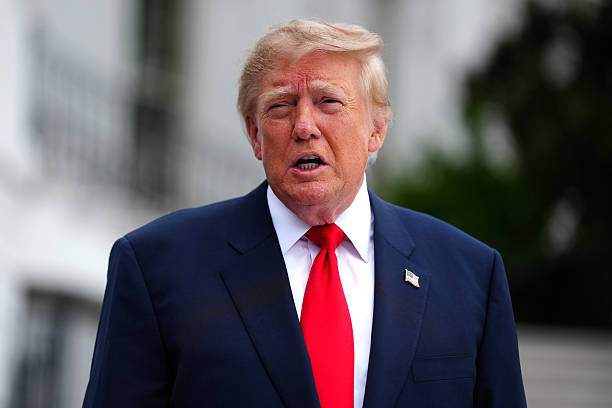
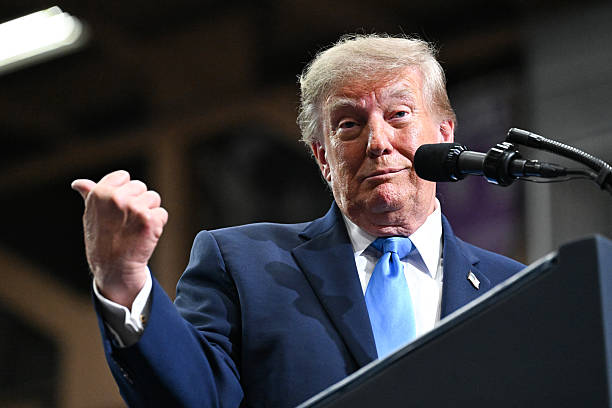
WASHINGTON — U.S. President Donald Trump announced on Friday, June 12, 2026, that a U.S. military airstrike in Venezuela has killed Héctor Rusthenford Guerrero Flores, the notorious leader of the criminal organization Tren de Aragua.
The Strike and Coordination
The operation, directed by President Trump and executed by U.S. Southern Command, targeted a compound in Venezuela’s Bolívar state. The White House described the mission as a "swift and lethal kinetic strike" against a designated foreign terrorist organization.
In a departure from previous U.S.-Venezuela relations, both the White House and the Venezuelan government confirmed that the strike was the result of a "joint operation." Venezuelan security services reportedly collaborated with U.S. forces to neutralize the target, highlighting a significant shift in diplomatic and security cooperation following the change in Venezuelan leadership earlier this year.
Background on Guerrero Flores
Héctor Rusthenford Guerrero Flores, commonly known as "Niño Guerrero," rose to prominence by transforming a local Venezuelan prison gang into a transnational criminal syndicate. Under his leadership, Tren de Aragua expanded its operations across Latin America and into the United States, engaging in:
-
Drug and Human Trafficking: Extorting migrants and smuggling narcotics.
-
Organized Crime: Contract killing, kidnapping, and money laundering.
-
Territorial Control: Managing illicit gold mines and controlling key border smuggling corridors.
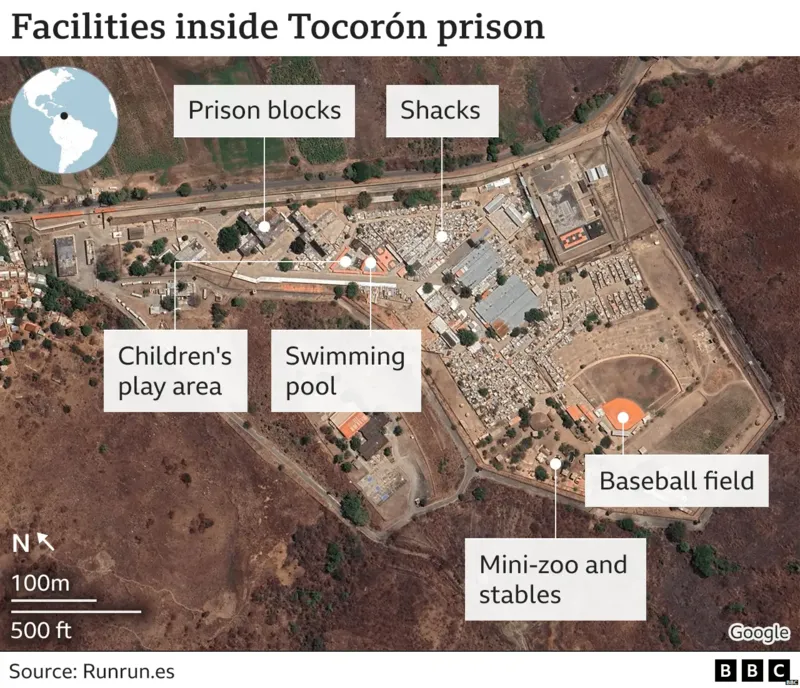
Guerrero Flores had been an elusive figure for years. He famously managed his criminal empire from inside Venezuela’s Tocorón prison, which he turned into a private leisure complex before escaping during a government raid in September 2023. At the time of his death, he was the subject of a federal indictment in New York on racketeering and narco-terrorism charges, and the U.S. State Department had offered a reward of up to $5 million for information leading to his arrest.
Shifting U.S.-Venezuela Relations
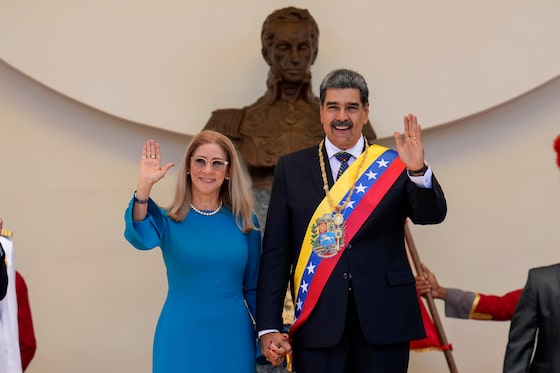
This military cooperation occurs in the context of a drastically altered geopolitical landscape. Following the U.S. capture of former President Nicolás Maduro in January 2026, the current Venezuelan administration led by acting President Delcy Rodríguez has moved to align more closely with U.S. economic and security interests, including collaboration on the extraction of Venezuela’s oil reserves.
While the Trump administration maintains that its aggressive campaign against cartels and gangs in the region is lawful and necessary to protect national security, the policy has drawn criticism from some legal experts. Critics have questioned the legality of targeting individuals through airstrikes without traditional due process, though the White House maintains that the U.S. is engaged in a formal armed conflict with these organizations, categorizing their members as "combatants."