WASHINGTON/TEHRAN — The United States and Iran are nearing an interim peace agreement to end a three-and-a-half-month conflict that has roiled global energy markets and blocked the Strait of Hormuz, though both sides continue to project divergent views on the final terms of the accord.
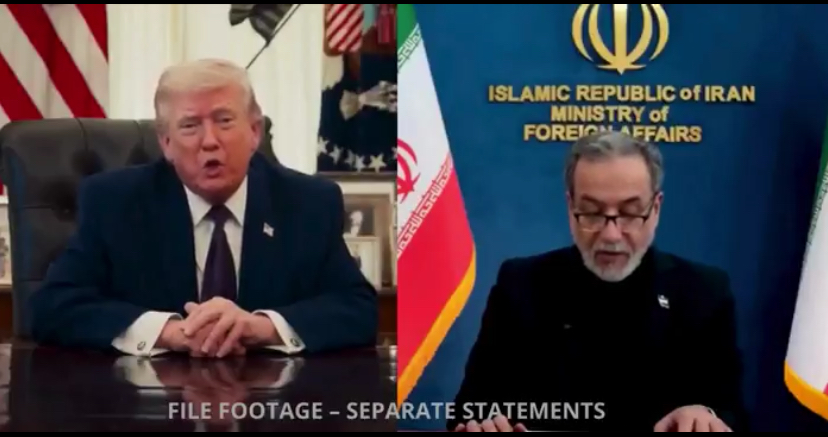
U.S. officials and Iranian negotiators have indicated that a memorandum of understanding (MOU) could be signed within days. Pakistani Prime Minister Shehbaz Sharif, a key mediator in the talks, stated Saturday that a final text has been reached and that an electronic signing could occur within 24 hours.
Divergent Accounts on Agreement Terms
While the prospect of a deal has spurred optimism contributing to a decline in oil prices conflicting characterizations from Washington and Tehran suggest significant hurdles remain.
-
U.S. Objectives: According to senior U.S. officials, the proposed deal is designed to ensure the permanent dismantling of Iran’s nuclear weapons program while permitting civilian nuclear energy use. The U.S. administration asserts the agreement mandates the removal of enriched material from Iran and the immediate lifting of the naval blockade in the Strait of Hormuz. In exchange, the U.S. would ease economic sanctions.
-
Iranian Positions: Iranian state media and officials have offered a different narrative. Tehran has denied committing to cede control over the Strait of Hormuz, asserting its right to manage the waterway and levy "service fees" on passing vessels. Furthermore, Iranian state media reported that the deal includes the release of $24 billion in frozen Iranian assets, a claim that U.S. officials have disputed or declined to confirm.
Regional Instability Continues
Despite the diplomatic progress, the situation on the ground remains volatile. On Saturday, U.S. Central Command reported that its forces intercepted and downed multiple Iranian drones targeting commercial ships in the Strait of Hormuz, underscoring the precarious nature of the current ceasefire.
Additionally, military operations continue across the region. In southern Lebanon, the Lebanese Army withdrew from key barracks on Saturday as Israeli forces advanced, and reports of ongoing airstrikes indicate that the conflict between Israel and Iranian-backed Hezbollah remains a significant "litmus test" for any broader U.S.-Iran agreement.
High-Stakes Diplomacy
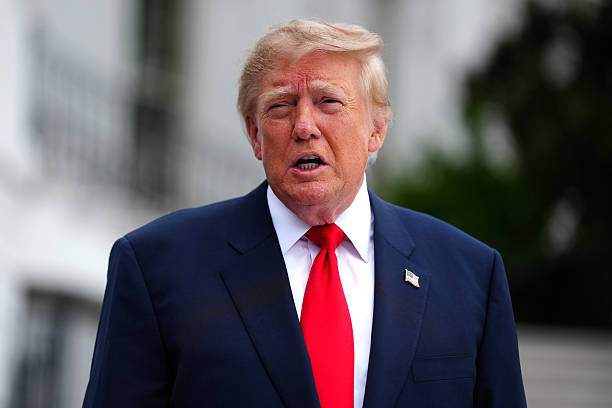
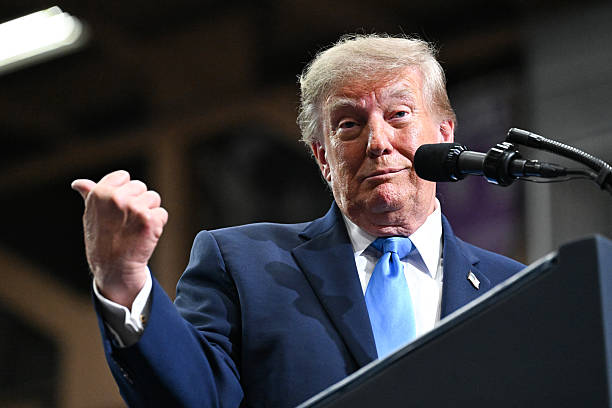
The potential for a deal has placed President Donald Trump in a complex domestic political position. While he seeks to secure a foreign policy victory that would lower energy prices and end the war which began in late February with joint U.S.-Israeli strikes he faces pressure from national security hawks in his own party who are wary of any concessions to Tehran.
While officials in Washington remain optimistic, the history of this conflict is marked by cycles of near-diplomatic breakthroughs followed by renewed kinetic activity. As of Saturday, the Iranian Foreign Ministry spokesperson emphasized that while a signing in the coming days remains possible, the timeline is subject to continued negotiations and potential hesitation from both sides.