EVIAN-LES-BAINS, France — Following months of heightened tensions and regional conflict, the United States and Iran have moved toward a landmark diplomatic breakthrough. On Wednesday, June 17, 2026, U.S. officials formally released the text of a 14-point Memorandum of Understanding (MoU) designed to serve as a roadmap for ending hostilities, reopening the critical Strait of Hormuz, and establishing a framework for long-term nuclear and economic negotiations.
The announcement comes as President Donald Trump concludes the G7 summit in France, where the deal was a primary focus of international discourse. The memorandum is expected to be ceremonially signed by representatives of both nations in Geneva, Switzerland, this Friday, June 19.
The All 14-Point US-Iran Memorandum of Understanding
This Memorandum of Understanding (MoU) outlines the framework for a ceasefire and a roadmap toward a final diplomatic resolution between the United States and Iran.
The 14 Points
1. End to Conflict on All Fronts: The U.S., Iran, and their allies declare an immediate and permanent termination of military operations on all fronts, including Lebanon. Neither side will initiate war, threaten, or interfere with the territorial integrity and sovereignty of Lebanon.
2. Respect for Internal Affairs: Both nations commit to respecting each other’s sovereignty and territorial integrity, pledging to refrain from interfering in each other's internal affairs.
3. 60-Day Negotiation Timeline: Both parties commit to negotiating and achieving a final, comprehensive deal within a maximum of 60 days, extendable by mutual consent.
4. End of Naval Blockade: Upon signing, the U.S. will begin removing its naval blockade and impediments on Iranian ports, ending them fully within 30 days. U.S. forces will return to pre-February 28th postures within 30 days of a final deal.
5. Strait of Hormuz: Iran will use its best efforts to allow safe, toll-free passage for commercial vessels through the Strait of Hormuz. Traffic will resume immediately, with de-mining and obstacle removal completed within 30 days. Iran will coordinate with Oman and Gulf states for long-term administration.
6. Reconstruction Fund: The U.S. and regional partners will develop a mutually agreed plan worth at least $300 billion for Iran’s reconstruction and economic development. The U.S. is not required to contribute funds.
7. Termination of Sanctions: The U.S. will terminate all economic sanctions against Iran, including those from UN Security Council resolutions and unilateral U.S. measures, following a schedule to be agreed upon in the final deal.
8. Nuclear Non-Proliferation: Iran agrees not to procure or buy nuclear weapons. Both sides agree to manage existing enriched uranium through mutually agreed-upon mechanisms, including "downblending" under IAEA supervision.
9. Status Quo (Nuclear): Until a final deal is reached, Iran will maintain the current status quo of its nuclear program.
10. Status Quo (Military/Sanctions): Until a final deal, the U.S. will not impose new sanctions or deploy additional forces in the region and will issue waivers for the export of oil, petroleum products, and associated services.
11. Release of Frozen Funds: The U.S. undertakes to make Iran's frozen or restricted funds fully available once the MoU is signed, with release procedures to be determined during negotiations.
12. Monitoring Mechanism: A mechanism will be established to monitor the implementation of the MoU and compliance with any future agreement.
13. Final Negotiations: Once the MoU is signed and implementation begins, the U.S. and Iran will commence formal negotiations for a final deal.
14. UN Endorsement: The final deal will be endorsed by a binding United Nations Security Council resolution.
Core Pillars of the Agreement
The document, described by U.S. officials as a "performance-based" framework, includes several significant commitments intended to de-escalate the conflict:
• Immediate Ceasefire: The agreement mandates an "immediate and permanent" termination of military operations on all fronts, explicitly encompassing the conflict in Lebanon. Both nations commit to refraining from future threats or the use of force against one another.
• Maritime Security: Iran has pledged its "best efforts" to ensure the safe, toll-free passage of commercial vessels through the Strait of Hormuz. De-mining and the removal of technical obstacles are to begin immediately, with full traffic flow targeted within 30 days.
• Economic Relief and Reconstruction: Upon signing, the U.S. will begin dismantling its naval blockade of Iranian ports and issuing waivers for the export of Iranian crude oil, petroleum products, and related financial services. Furthermore, a reconstruction and economic development plan valued at at least $300 billion funded by regional partners rather than the U.S. Treasury is to be developed.
• Nuclear Safeguards: Iran reaffirms its commitment not to procure or develop nuclear weapons. Both nations have agreed to negotiate the future management of Iran's enriched uranium stockpile, with "downblending" under the supervision of the International Atomic Energy Agency (IAEA) cited as a minimum standard.
• 60-Day Negotiation Window: The MoU establishes a maximum 60-day period for the two countries to reach a final, comprehensive deal. This timeline may be extended by mutual consent.
"Performance-Based" Diplomacy
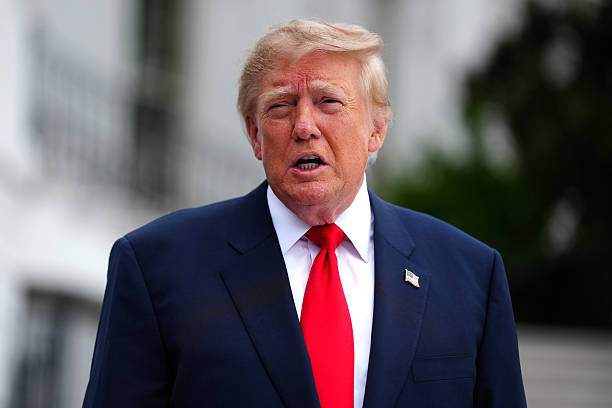
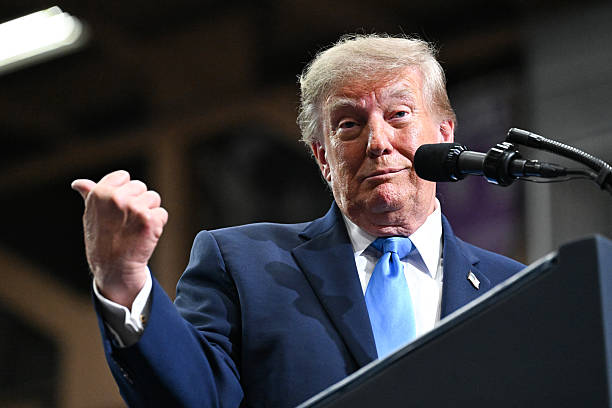
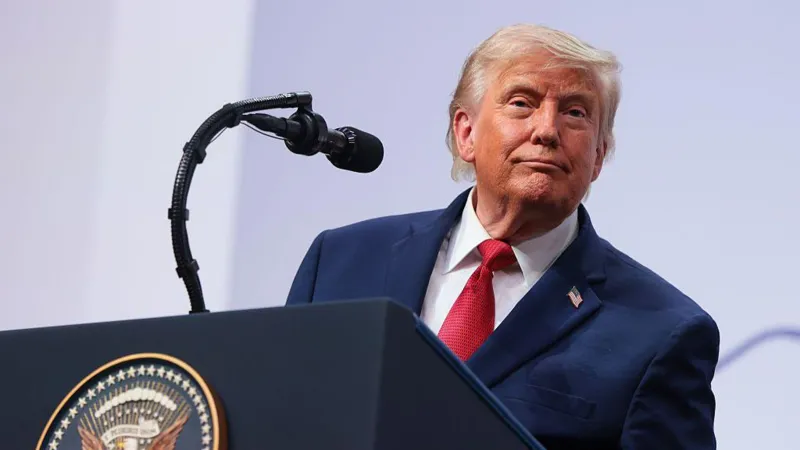
Addressing reporters at the G7 summit, President Trump emphasized the conditional nature of the agreement. While he hailed the deal as a critical step toward avoiding a "worldwide depression" and securing maritime trade, he warned that the framework is not final.
"If they don't behave, we'll go right back to dropping bombs," President Trump remarked, stressing that the benefits provided to Iran such as sanctions relief and access to frozen assets are strictly contingent on Tehran's compliance with its nuclear and security commitments.
Next Steps and International Reaction
The signing in Geneva will trigger a 60-day countdown for the finalization of the treaty. During this period, both sides have agreed to maintain the "status quo," meaning Iran will not advance its nuclear program, and the U.S. will refrain from imposing new sanctions or expanding its military footprint in the region.
While the agreement has been welcomed by G7 leaders as an opportunity to secure regional stability, it has faced scrutiny from various corners. In Tehran, officials have expressed cautious support while maintaining a stance of vigilance, and international observers are already looking toward the subsequent negotiations as the true test of the roadmap's viability. The final agreement is intended to be ratified by a binding United Nations Security Council resolution, providing a durable international framework for the peace process.