EVIAN-LES-BAINS, France — Details have emerged regarding a high-stakes memorandum of understanding (MOU) between the United States and Iran, aimed at ending hostilities and establishing a framework for future nuclear negotiations. The agreement, discussed as world leaders gather for the 2026 G7 summit, marks a significant diplomatic shift following months of conflict.
Key Components of the Agreement
Senior U.S. officials outlined the 14-point memorandum, which is intended to serve as a foundation for broader, long-term stability in the region. The primary provisions include:
Termination of Hostilities: An immediate and permanent end to military operations on all fronts, including in Lebanon.
Nuclear Non-Proliferation: A commitment ensuring that Iran will not acquire nuclear weapons, with specific terms to be solidified in subsequent negotiations.
Economic Reconstruction: The establishment of a $300 billion fund supported by the U.S. and regional partners designated for the reconstruction and economic development of Iran.
Maritime Access: The restoration of traffic in the Strait of Hormuz, which is to remain toll-free for at least 60 days.
Sanctions Relief: The gradual lifting of U.S. sanctions and the unfreezing of assets, contingent on the successful implementation of the agreement.
Negotiation and Implementation
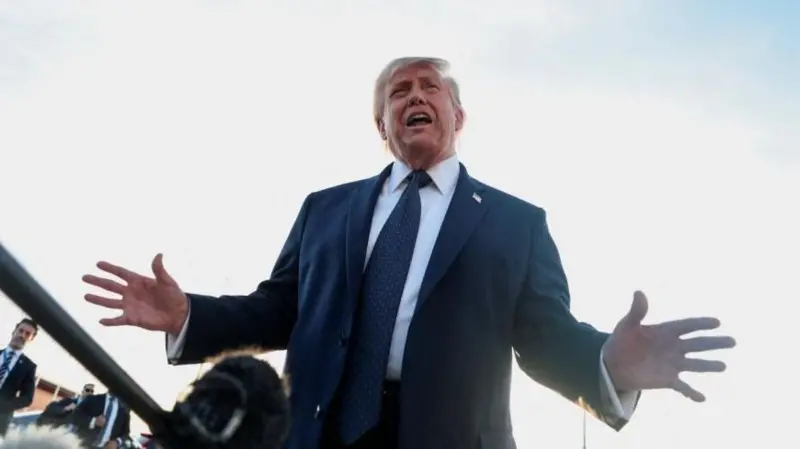
The deal establishes a 60-day window for both nations to negotiate a final, comprehensive treaty. U.S. President Donald Trump, speaking at the G7 summit in France alongside French President Emmanuel Macron, described the MOU as a major achievement. While the formal signing ceremony is expected to take place in Switzerland this Friday, President Trump noted that the agreement is "not final" and emphasized that the U.S. reserves the right to respond militarily if the terms are violated.
"If they don't behave, we'll go right back to dropping bombs," President Trump remarked during a press conference.
Diplomatic Reactions
In Iran, key negotiator and parliamentary speaker Mohammad Bagher Ghalibaf acknowledged the agreement but expressed continued skepticism regarding U.S. intentions, stating that Iran remains vigilant.
The deal is expected to be a primary topic of conversation among G7 leaders throughout the remainder of the summit. While Vice President JD Vance was initially scheduled to lead the delegation at Friday's signing ceremony, President Trump has hinted at the possibility of his own attendance as the administration seeks to cement this historic development in U.S.-Iran relations.