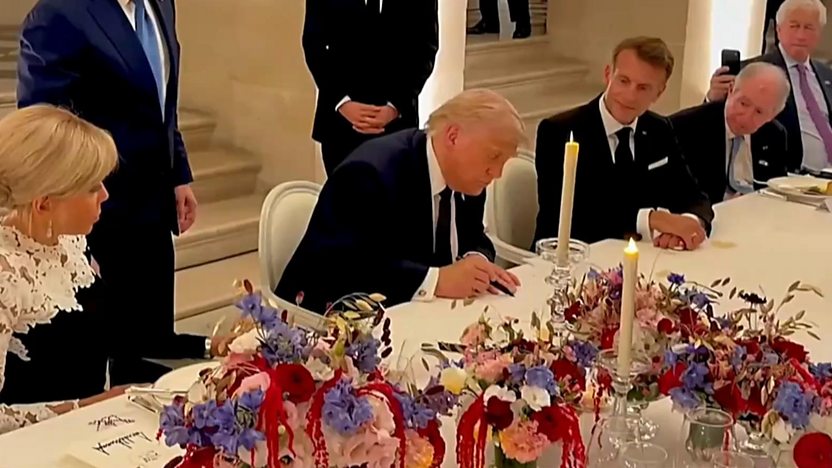
EVIAN-LES-BAINS, France — Following 110 days of intense conflict, the United States and Iran have officially signed a 14-point Memorandum of Understanding (MoU) aimed at bringing a permanent end to hostilities and establishing a framework for long-term regional stability. The agreement was finalized following high-level diplomatic discussions at the G7 summit in France.
A Path Toward De-escalation
The MoU, described by U.S. officials as a "performance-based" instrument, commits both nations to an immediate cessation of military operations across all fronts, explicitly including the theater of conflict in Lebanon. The agreement serves as a foundational ceasefire, setting the stage for 60 days of intensive negotiations aimed at reaching a comprehensive, final treaty.
Key Provisions of the Memorandum
The agreement outlines a series of immediate and phased actions intended to stabilize the region:
Permanent Ceasefire: An immediate and permanent termination of military operations on all fronts is mandated, with both parties pledging to refrain from initiating further hostile actions.
Maritime Security: Iran has committed to restoring the safe passage of commercial vessels through the Strait of Hormuz. The naval blockade of Iranian ports is set to be lifted by the United States, with a 30-day timeline for restoring pre-war traffic volumes.
Nuclear Framework: Iran reaffirms its commitment not to pursue or develop nuclear weapons. The MoU establishes a process to manage current enriched uranium stockpiles, including dilution under International Atomic Energy Agency (IAEA) supervision.
Economic Measures: The U.S. will begin a phased termination of economic sanctions, contingent upon Iran’s adherence to the agreement’s security and nuclear commitments. Furthermore, the U.S. and regional partners intend to establish a reconstruction and economic development plan for Iran, though officials clarified that this will not involve direct U.S. financial contributions.
Status Quo: Pending a final deal, both nations have agreed to maintain the current status quo, with Iran pausing advancements to its nuclear program and the U.S. refraining from new sanctions or military deployments in the region.
Diplomatic Reception and Next Steps
Speaking from the G7 summit, President Donald Trump characterized the agreement as a necessary measure to avert a potential global economic catastrophe, citing the impact of the conflict on energy prices and financial markets. While emphasizing that the deal is conditional, the President warned that the United States reserves the right to resume military action should Iran fail to comply with the terms.
In Tehran, the parliamentary speaker and key negotiator, Mohammad Bagher Ghalibaf, acknowledged the signing but emphasized that Iran’s approach remains one of "vigilance," noting that the nation retains the capacity to respond should the diplomatic path fail.
The formal implementation of the agreement is expected to be reinforced by a binding United Nations Security Council resolution. The initial phase of negotiations regarding a permanent, comprehensive treaty is scheduled to commence at a mountaintop resort in Switzerland on June 19, 2026, with the participation of regional mediators.