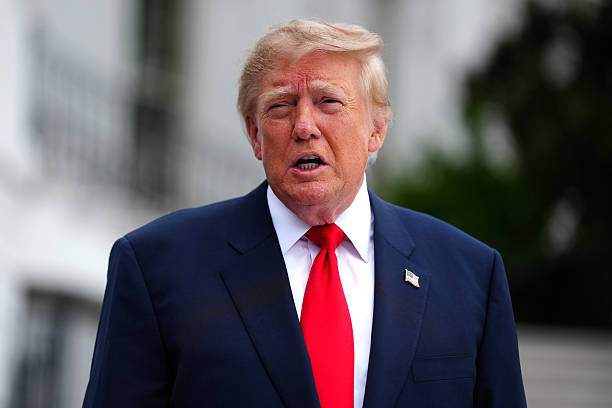
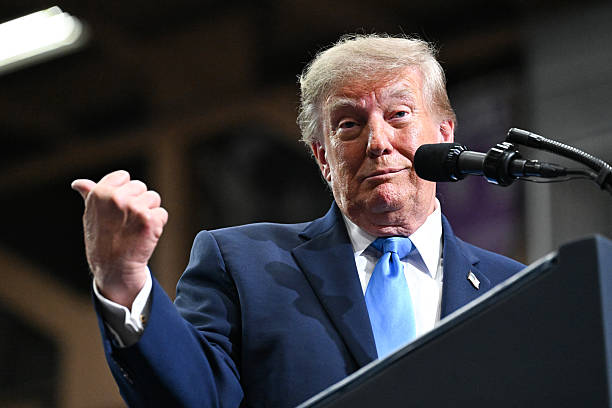
FLORIDA - President Donald Trump intensified his campaign against Havana on Friday, claiming the United States will take over Cuba "almost immediately". Speaking at an event in Florida, the President suggested using a massive show of naval force to compel the island nation’s submission following the conclusion of current U.S. military operations in the Middle East.
"On the way back from Iran, we'll have one of our big, maybe the USS Abraham Lincoln aircraft carrier... come in, stop about 100 yards offshore", Trump stated, predicting that Cuba would surrender upon seeing the vessel.
Expansion of "Brutal" Sanctions
Coinciding with the President's remarks, the White House released an executive order significantly broadening the U.S. sanctions regime. The new measures target individuals and entities supporting the Cuban security apparatus or those involved in corruption and human rights abuses.
Key features of the new sanctions:
• Broad Sector Targeting: Sanctions can now apply to any foreign person operating in Cuba's energy, defense, mining, financial, or security sectors.
• Secondary Sanctions: The order authorizes penalties for third-party entities conducting or facilitating transactions with those already targeted.
• End of "Safe" Operations: Legal experts noted that non-American companies, including banks and oil firms that previously segregated their Cuban operations from the U.S., are no longer protected from American penalties.
The Fuel Crisis and Regional Fallout
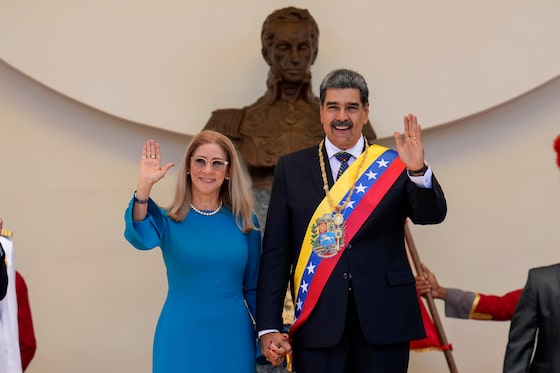
The new sanctions come as Cuba struggles with a crippling energy crisis. Earlier this year, the U.S. halted Venezuelan oil exports to the island and threatened global tariffs on any country including Mexico that supplies crude to Havana.
Impact: The resulting fuel shortage has triggered nationwide blackouts and forced several foreign airlines to suspend flights to the island.
Accusations: U.S. officials justified the pressure by accusing Havana of aligning with Iran and providing a "permissive environment" for hostile foreign intelligence and terrorist operations.
Havana’s Defiant Response
Cuban President Miguel Díaz-Canel condemned the move as a "brutal, genocidal" reinforcement of the decades-long blockade. Foreign Minister Bruno Rodríguez added that the measures constitute "collective punishment" against the Cuban people and asserted that the nation would not be intimidated.
While Washington continues to demand free elections and the opening of Cuba's state-run economy, Havana maintains that its socialist government is non-negotiable.