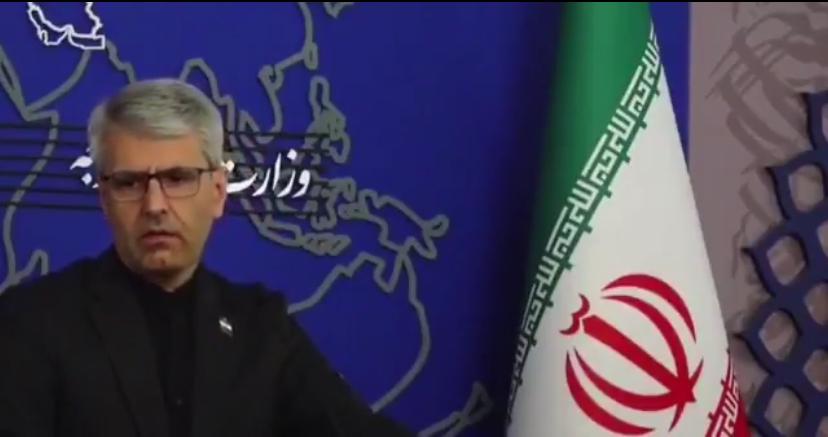
TEHRAN — The Iranian Foreign Ministry has officially clarified the diplomatic architecture of the current peace talks, confirming that Pakistan remains the sole "official mediator" between Tehran and Washington. This announcement comes as Foreign Ministry spokesman Esmaeil Baqaei defended Iran’s latest response to the U.S. peace proposal, describing the terms as a "generous and responsible" roadmap for regional stability.
Pakistan as the Central Hub for Diplomacy
Despite rumors of shifting diplomatic channels, Baqaei emphasized that the Islamabad-led mediation remains the primary vehicle for communication. While acknowledging that other regional players like Qatar are sharing opinions and facilitating dialogue, the formal transmission of proposals including the response sent on Sunday is handled through Pakistani intermediaries.
"Pakistan, as the official mediator between Iran and the U.S., continues its activities in this regard," Baqaei stated during a press briefing in Tehran. This underscores the critical role of the Islamabad process, which successfully brokered the initial April 8 ceasefire that paused the high-intensity warfare that began in late February.
Iran’s Stance: No Concessions, Just Rights
Addressing the content of the response that President Trump recently labeled "unacceptable," Baqaei argued that Tehran is not seeking special favors. Instead, the proposal focuses on what Iran views as basic sovereign rights and an end to hostile maritime activities.
"We did not demand any concessions from the U.S.," Baqaei explained via the state-run IRNA news agency. "We rather called for an end to the war and a halt to maritime piracy against Iranian ships." The term "piracy" is a direct reference to the U.S. naval blockade and the seizure of Iranian assets, which have been central to the economic warfare accompanying the kinetic conflict.
The April 8 Truce and the Road to Islamabad
The current diplomatic window was opened by the April 8 ceasefire, a fragile truce that halted all-out combat operations between the U.S., Israel, and Iran. While initial talks in Islamabad failed to produce a permanent treaty, the extension of the truce by President Trump notably without a set expiration date has provided a rare, if tense, environment for negotiation.
Baqaei reiterated that while Iran is committed to exploring these diplomatic opportunities, it remains prepared for a return to hostilities if national interests are threatened. "Iran will fight whenever necessary and will seize diplomatic opportunities whenever we see fit," he asserted, reflecting the "dual-track" strategy Tehran has adopted throughout this crisis.
Regional Implications of the Standoff
The conflict, which ignited on February 28, has seen unprecedented direct strikes between the U.S.-Israeli coalition and Iranian forces, leading to the ongoing closure of the Strait of Hormuz. The "generous" offer from Iran reportedly includes terms for the safe reopening of the waterway, provided that the U.S. lifts its ban on Iranian oil sales and guarantees the security of Iranian vessels.
As the world looks toward the upcoming high-level discussions in Beijing, the confirmation of Pakistan’s mediation role suggests that any breakthrough will likely have to pass through Islamabad before it reaches the desk of the U.S. President.