BEIJING — In a major geopolitical breakthrough that could dictate the structural future of global technology governance, the United States and China have officially agreed to establish a formal, government-to-government dialogue on Artificial Intelligence (AI).
The landmark bilateral framework was forged during high-stakes diplomatic deliberations at the China-US summit held in Beijing last week, marking a crucial stabilization of tech-sector diplomacy between the world's two largest economies.
A spokesperson for the Chinese Foreign Ministry, Guo Jiakun, formally made the announcement during a comprehensive news conference in Beijing on Tuesday. Addressing international correspondents, Guo emphasized that as the planet's two preeminent AI superpowers, the United States and China share a profound structural responsibility to collaborate on the development, safety, and overarching global governance of automated systems.
The primary objective of the upcoming intergovernmental sessions, according to the ministry, is to ensure that rapid technological advancements contribute positively to global social progress and protect the common welfare of the international community.
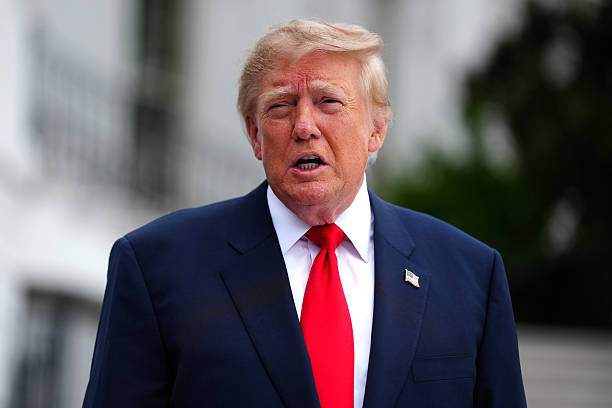
Presidential Concord: Xi Jinping and Donald Trump Lock in Tech Talks
The technological agreement underscores a significant pivot in high-level communications between the two nations, particularly as the domestic race to dominate cutting-edge AI capabilities continues to intensify across both hemispheres.
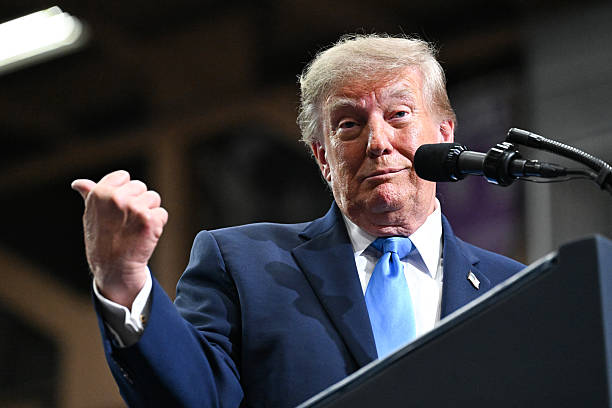
Spokesperson Guo revealed that Chinese President Xi Jinping and US President Donald Trump engaged in highly constructive, direct exchanges regarding the dual-use nature of artificial intelligence during their private summit meetings. Recognizing the immense systemic risks associated with unchecked algorithmic deployment, both leaders mutually consented to launch the official intergovernmental dialogue to manage competitive friction.
The planned talks are widely expected to serve as a vital diplomatic forum for the two superpowers to establish rigorous technical safety measures, exchange risk-mitigation frameworks, and erect strict international guardrails to prevent the malicious misuse of advanced AI models.
Beyond balancing their own competitive agendas, a major priority for the task force will center on global security stabilization. Policymakers aim to devise unified regulatory rules to prevent the weaponization or abusive exploitation of highly capable AI architectures by rogue actors, cyber-militant factions, or transnational organizations operating entirely outside the boundaries of sovereign state jurisdiction.
Superpower Realism: Scott Bessent Outlines the Path to Global Rules
The strategic importance of the upcoming talks was mirrored across the Pacific by senior American officials. US Treasury Secretary Scott Bessent validated the bilateral development during a comprehensive media interview aired on Thursday, confirming that the two AI superpowers are actively preparing to convene at the negotiating table.
Bessent’s commentary highlighted an underlying sense of pragmatic realism, indicating that the United States views these structured talks as a necessary mechanism to establish international rules of engagement. By constructing a transparent, open channel of communication between Washington and Beijing, both governments hope to avoid catastrophic miscalculations in autonomous defense systems, safeguard critical financial infrastructure, and create a predictable global marketplace for commercial AI innovation.
While the exact timelines, delegate structures, and specific geographical venues for the opening sessions of the dialogue have not yet been made public, tech industry analysts and international relations experts have hailed the agreement as a vital step forward.
With both superpowers heavily invested in preserving their domestic technological edges, this newly established diplomatic channel provides a critical framework to navigate the complex ethics of automation, ensuring that the intensifying race for AI supremacy does not compromise global security or cross irreversible ethical boundaries.