JOHANNESBURG — The South African Department of International Relations and Cooperation (DIRCO) has clarified that a recent proposal to bill foreign governments for the costs of deporting their citizens who violate immigration laws is currently under consideration and has not been adopted as official government policy.
Clarification of Policy Status
While recent reports suggested the government would immediately begin billing foreign nations for deportation expenses, DIRCO spokesperson Chrispin Phiri clarified that this measure is one of several options being explored to strengthen international cooperation. The government is examining various methods to manage the financial burden of detaining and deporting undocumented foreign nationals, but no formal billing mechanism has been finalized or implemented.
Context of Enforcement
The debate surrounding deportation costs follows a period of heightened enforcement and anti-immigration sentiment within South Africa. The Department of Home Affairs has reported a 46% increase in lawful deportations and repatriations over the past two years, citing the necessity of restoring the rule of law.
Recent actions include:
-
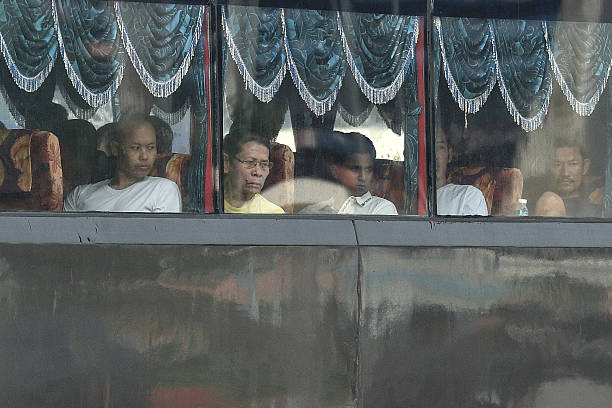
Repatriation Exercises: On June 11, 2026, the South African Department of Home Affairs confirmed the processing of 586 Nigerian nationals for repatriation after they were found to be residing in the country illegally.
-
Diplomatic Cooperation: The government has acknowledged the assistance provided by the Nigerian High Commission in issuing Emergency Travel Documents for these individuals.
-
Future Enforcement: South African authorities emphasize that individuals processed for repatriation are declared "undesirable persons," prohibiting re-entry into the country for five years.
Broader Migration Tensions
President Cyril Ramaphosa’s administration has intensified its focus on immigration, framing it as a critical issue of national sovereignty. While the government is pursuing stricter enforcement of immigration laws, it has also called on the public to refrain from taking the law into their own hands, following a series of anti-immigration marches and protests in several provinces.
As the discussions regarding cost-recovery measures continue, the South African government remains focused on its broader reform agenda, including the implementation of electronic travel authorizations and biometrics to better track the immigration status of foreign nationals entering the country.