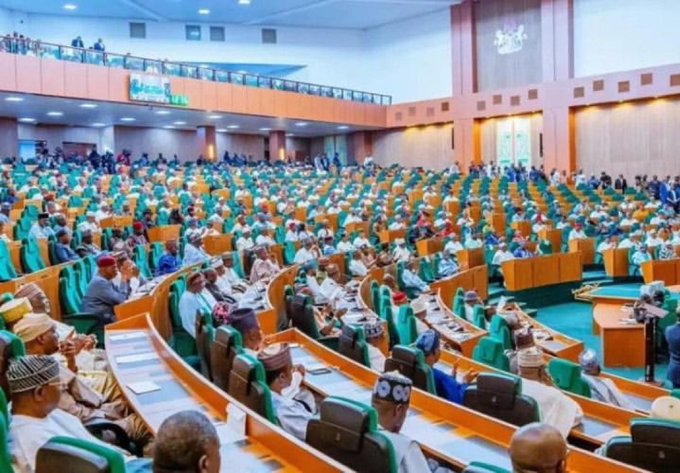
The Nigerian Senate has officially linked the nation's escalating security challenges to a pervasive and growing culture of indiscipline. During a plenary session, lawmakers expressed deep concern over the decline in societal standards, which they argue has manifested in various forms, including traffic violations, vandalism, workplace misconduct, and political intolerance. The Senate warned that if this trend remains unchecked, it threatens to further erode national security, destabilize the economy, and undermine the foundations of democratic governance.
The motion, titled "The Growing Menace of Indiscipline in Nigerian Society," was sponsored by Senator Dachung Mwadkon of Plateau North. Mwadkon highlighted that feedback from educational institutions, community groups, and media reports points to a disturbing rise in youth violence and the abuse of public facilities. He argued that the root causes of this societal decay are multifaceted, ranging from poor parenting and inadequate civic education to deeper systemic issues such as youth unemployment, poverty, and a widespread culture of impunity among those in positions of authority.
During the debate, Deputy Senate President Jibrin Barau emphasized that discipline is a fundamental requirement for both personal success and national development, describing it as the key to maintaining public order and social cohesion. Senator Anthony Ani of Ebonyi South echoed these sentiments, labeling indiscipline as one of the most significant hurdles facing the country today. The lawmakers agreed that without a collective return to upright conduct and respect for lawful authority, the country will continue to struggle with instability and declining public confidence in its institutions.
Senate President Godswill Akpabio took a firm stance on the issue, identifying indiscipline as the primary driver of criminality and banditry across the nation. He stressed that the solution must begin within the home and urged the National Orientation Agency (NOA) to launch aggressive public enlightenment campaigns focused on restoring civic values and responsible citizenship. Akpabio asserted that if the youth are raised with strong discipline, they are significantly less likely to engage in the vices and criminal activities that currently bring reproach to the country.
To combat this trend, the upper chamber issued a series of directives aimed at both the federal government and various societal stakeholders. The Senate urged the executive branch to implement a comprehensive national re-orientation programme that emphasizes integrity and patriotism while strengthening youth development and employment schemes to tackle the economic drivers of misconduct. Furthermore, the Senate called upon political leaders, traditional institutions, and religious organizations to lead by example, demonstrating the accountability and ethical conduct required to inspire a more disciplined generation of Nigerians.