LAGOS — As Muslim families across Nigeria finalize preparations for the upcoming Eid-el-Kabir celebration, an aggressive spike in the cost of living has forced many to abandon traditional festivities in favor of modest, low-key observances.
Surging prices for livestock and essential cooking ingredients central to the Sallah celebration have created a significant financial barrier for households from Lagos to Ibadan. Traders and residents alike report that the economic climate has reached a point where even basic holiday staples have become unaffordable for many average Nigerians.
Livestock Costs Reach Record Highs
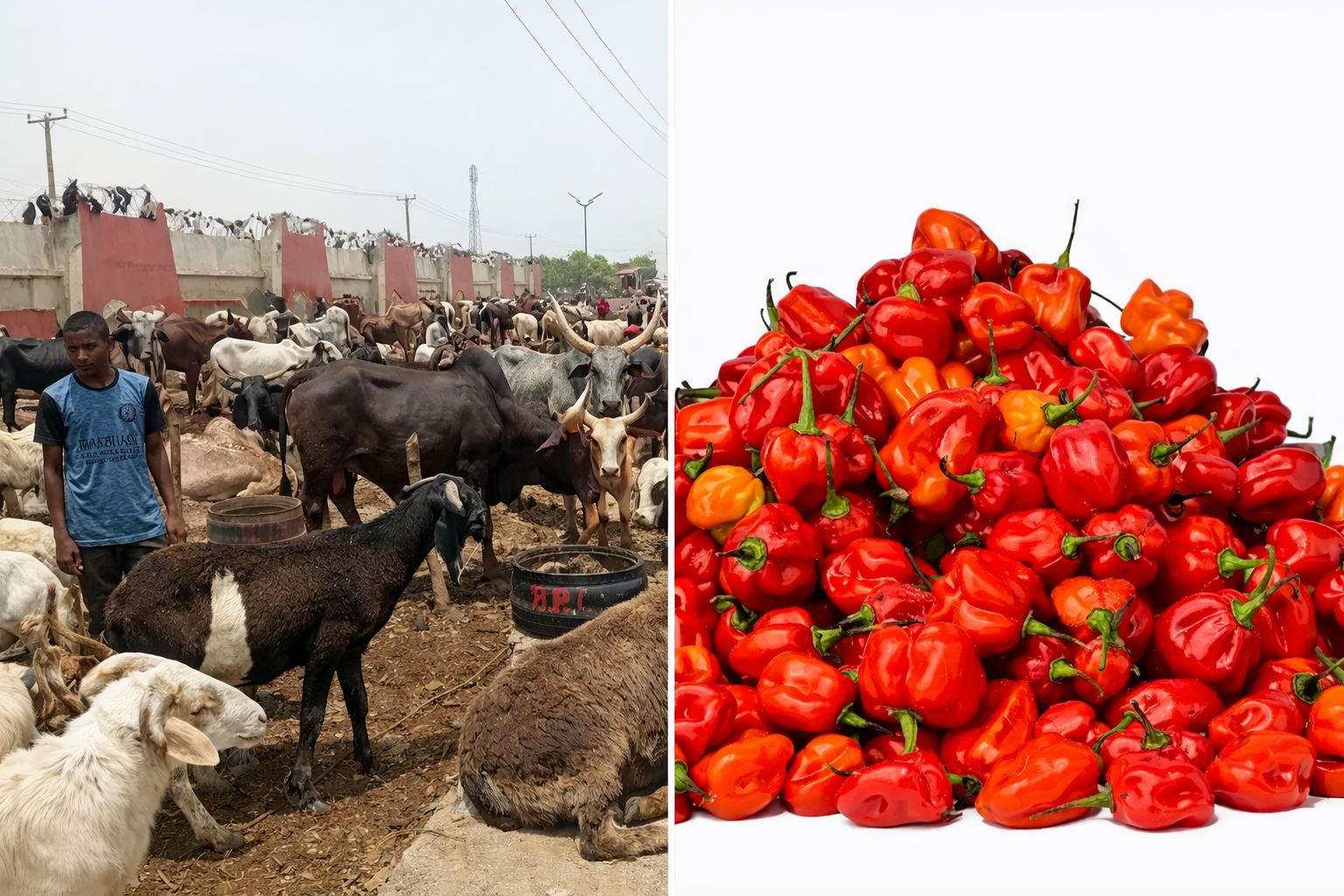
The livestock market has seen some of the most dramatic increases. According to market surveys, the cost of a large cow now ranges between ₦1.2 million and ₦1.5 million, a substantial jump from the ₦800,000 to ₦1 million range seen previously.
Rams, the centerpiece of the Eid sacrifice, have also seen prices climb sharply. A large ram is now retailing between ₦700,000 and ₦900,000, while medium-sized animals are priced between ₦400,000 and ₦600,000. Livestock sellers attribute these hikes to rising operational costs and increased transportation fees from northern Nigeria.
Staple Food Inflation
The surge is equally felt in the markets for cooking ingredients. Vendors report that a basket of fresh pepper has risen by 200%, jumping from ₦15,000 to ₦45,000. Tomatoes and onions have followed a similar trajectory:
• Tomatoes: A basket is now ₦80,000, up from roughly ₦53,000.
• Onions: A bag now costs ₦90,000, compared to ₦56,000 previously.
• Rice: A bag of common brands has risen to ₦65,000, up from ₦52,000.
Adapting to Economic Realities
Faced with these prices, many families are choosing to scale back. Strategies for coping with the economic hardship include partnering with extended family members to purchase a single cow to split the meat, opting for more affordable protein alternatives like turkey, and abandoning travel plans to avoid high fuel costs.
"I’ve already told my children and wife there should be nothing like buying new clothing this year," said Raji Razak, a resident explaining his household budget adjustments. "We should understand that we have to endure the current hardship."
Despite the disappointment surrounding the economic constraints, many residents are emphasizing the spiritual essence of the season. Brand and Communications Strategist Abiodun Yakubu noted that Islamic teachings encourage believers to celebrate within their means. "The focus should now shift from luxury to the spiritual essence of the celebration," he said. "The goal is to maintain the spirit of Eid while being responsible with money."
For millions of Nigerians, this year's Eid-el-Kabir will be defined less by outward display and more by gratitude, resilience, and the intentional sharing of whatever resources remain available among family and neighbors.