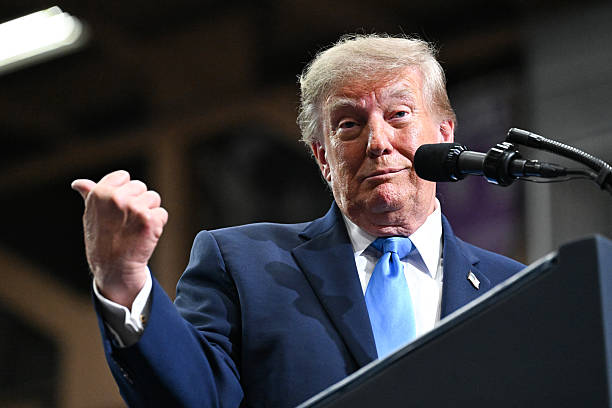
ABUJA — President Bola Ahmed Tinubu delivered a message defined by optimism, resilience, and a resolute commitment to national security. Speaking to Nigerians both at home and in the diaspora, the President framed the "Festival of Sacrifice" not merely as a religious observance, but as a poignant reflection of the journey the nation has undertaken over the past three years. By drawing parallels between the virtues of faith and obedience exemplified by Prophet Ibrahim and the current structural reforms shaping Nigeria, President Tinubu set a tone of steady resolve, declaring that the country’s most difficult economic phases are beginning to yield tangible stability.
The Turning Point: Moving Beyond the Dark Tunnel
One of the most resonant aspects of the President’s address was his assessment of Nigeria’s economic trajectory. Reflecting on the profound structural changes implemented by his administration—reforms that have admittedly brought short-term challenges for many households—President Tinubu offered a vision of a nation transitioning from stabilization to growth.
"The walk through the dark tunnel is over, and the light is here," the President stated. This metaphor of emerging from a "dark tunnel of uncertainty" encapsulates his administration's belief that the most rigorous phases of economic adjustment are behind us. According to the President, the sacrifices made by Nigerians have successfully repositioned the country as a more stable destination for foreign investment. By prioritizing policies that foster investor confidence, the government aims to catalyze long-term job creation and sustainable economic diversification, moving beyond a reliance on raw resource extraction toward a broader, more robust economic base.
Confronting Insecurity with a Dual Approach
While economic optimism formed the backbone of the message, President Tinubu did not shy away from the persistent security challenges facing the nation. He openly acknowledged the pain felt by communities still targeted by bandits and terrorists, despite the significant operational successes recently recorded by the Armed Forces—including the high-profile elimination of senior insurgent leadership.
The President’s address was marked by a firm assurance to those affected by violence: "I am aware that, despite the best efforts of our security and intelligence agencies... heartless terrorists and bandits still attack some communities. I assure you: you are neither abandoned nor forgotten. We will ultimately defeat all the forces of evil."
In an interesting shift in rhetoric, President Tinubu combined this military resolve with a spiritual call to action.He challenged the perpetrators of violence to "rethink and abandon their evil ways," while simultaneously warning that those who persist in their criminal defiance will face the "full weight of the law." This dual approach—military pressure coupled with an invitation for moral reflection—is central to the administration’s current strategy. Furthermore, as of July 2026, the administration has doubled down on this resolve, with Vice President Kashim Shettima, representing the President, reaffirming that the government is aggressively deploying intelligence-driven technology and modern hardware to modernize the Armed Forces and crush contemporary security threats.
A Call for Civic Responsibility and Unity
President Tinubu used the sacred occasion of Eid-el-Kabir to issue a broader call for national character. He urged Nigerians, irrespective of their ethnic, religious, or political affiliations, to embody the spirit of the season through three specific virtues:
-
Compassion: Encouraging citizens to actively reach out to the less privileged and foster a culture of generosity within their local communities.
-
Unity: Emphasizing that the strength of Nigeria lies in the bonds of brotherhood that transcend diverse cultural identities.
-
Civic Responsibility: Calling on citizens to offer prayers for the nation’s peace, for the wisdom of its leaders, and for the collective progress of the Federal Republic of Nigeria.
The Roadmap Ahead
The President concluded his address by reiterating his administration’s commitment to an integrated development model. By investing heavily in infrastructure, agricultural modernization, and human capital, the federal government aims to realize the "great promise" of Nigeria.
The message of Eid-el-Kabir 2026 serves as a significant milestone for the Tinubu administration. As the country moves into the second half of the year, the administration is clearly banking on the idea that the combination of completed economic reforms, a tech-enabled security architecture, and a unified national consciousness will provide the platform for a more stable and prosperous Nigeria. Whether these goals materialize as the President envisions will remain the central focus of national discourse, but the tone of the Eid address reflects a government that feels it has turned the corner and is now ready to accelerate its development agenda.