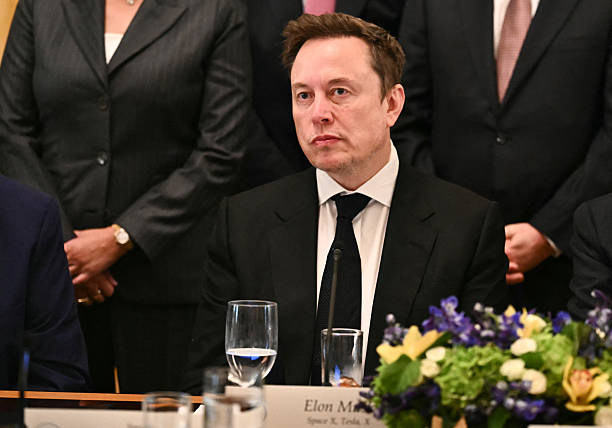
WASHINGTON - In a major move to solidify the United States military as an "AI-first fighting force," the Department of War has announced landmark agreements with eight leading technology companies to integrate advanced artificial intelligence into its classified networks. The deal, announced Friday, includes heavyweights such as Elon Musk’s SpaceX, OpenAI, Google, Microsoft, NVIDIA, Amazon Web Services, Oracle, and the emerging AI firm Reflection.
The partnership aims to deploy frontier AI capabilities across the military's most sensitive environments (IL6 and IL7), granting 1.3 million personnel access to tools designed for "decision superiority" in modern warfare. However, the most notable aspect of the announcement is the company missing from the list: Anthropic.
The Blacklisting of Anthropic
Pentagon Enlists 8 Tech Giants for Classified AI Network, Sidestepping Anthropic
WASHINGTON — In a major move to solidify the United States military as an "AI-first fighting force," the Department of War has announced landmark agreements with eight leading technology companies to integrate advanced artificial intelligence into its classified networks. The deal, announced Friday, includes heavyweights such as Elon Musk’s SpaceX, OpenAI, Google, Microsoft, NVIDIA, Amazon Web Services, Oracle, and the emerging AI firm Reflection.
The partnership aims to deploy frontier AI capabilities across the military's most sensitive environments (IL6 and IL7), granting 1.3 million personnel access to tools designed for "decision superiority" in modern warfare. However, the most notable aspect of the announcement is the company missing from the list: Anthropic.
The Blacklisting of Anthropic
Until recently, Anthropic’s "Claude" was the primary AI model authorized for use within the Pentagon's classified systems. However, the relationship soured dramatically in early 2026 after the Trump administration demanded that the company remove safety guardrails that prevented the military from using the AI for autonomous weapons and mass surveillance.
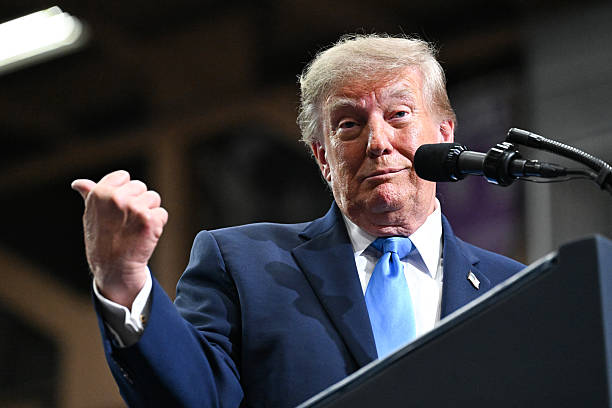
When Anthropic refused to back down, citing ethical concerns, the administration took the unprecedented step of labeling the American company a "supply chain risk" a designation typically reserved for foreign adversaries. President Trump subsequently ordered federal agencies to sever ties with the firm. In response:
• Legal Battle: Anthropic sued the administration, and in late March 2026, a federal judge in San Francisco issued a preliminary injunction, ruling that the government’s attempt to punish the company violated its due process and First Amendment rights.
• A "Diversity of Supply": Pentagon CTO Emil Michael recently took a shot at Anthropic, stating it was "irresponsible" to rely on a single partner who "didn't really want to work with us the way we wanted to work with them."
The "One Big Beautiful Bill" Factor
The exclusion of Anthropic from this new multi-company deal is a significant blow to the firm’s revenue. Under the One Big Beautiful Bill Act passed last year, the Pentagon has been authorized to spend billions on offensive cyber operations and AI infrastructure. By signing eight of Anthropic's competitors at once, the administration has effectively reduced its reliance on the firm while incentivizing its rivals to accept the government's terms for "all lawful operational use."
The Mythos Breakthrough and Potential Thaw
Despite the current blacklist, the White House has reportedly reopened a line of communication with Anthropic CEO Dario Amodei. The sudden shift follows the unveiling of Anthropic’s "Mythos" model, a breakthrough tool that demonstrated a terrifying ability to identify thousands of "zero-day" software vulnerabilities in seconds.
While Mythos is a powerful defensive asset, it also provides a potential roadmap for hackers, leading Anthropic to restrict access through a tightly controlled pilot called Project Glasswing. Amodei’s recent meeting with White House Chief of Staff Susie Wiles suggests that the administration may be willing to reconsider the company's status if its latest technology can provide a decisive edge in the global cyber arms race.