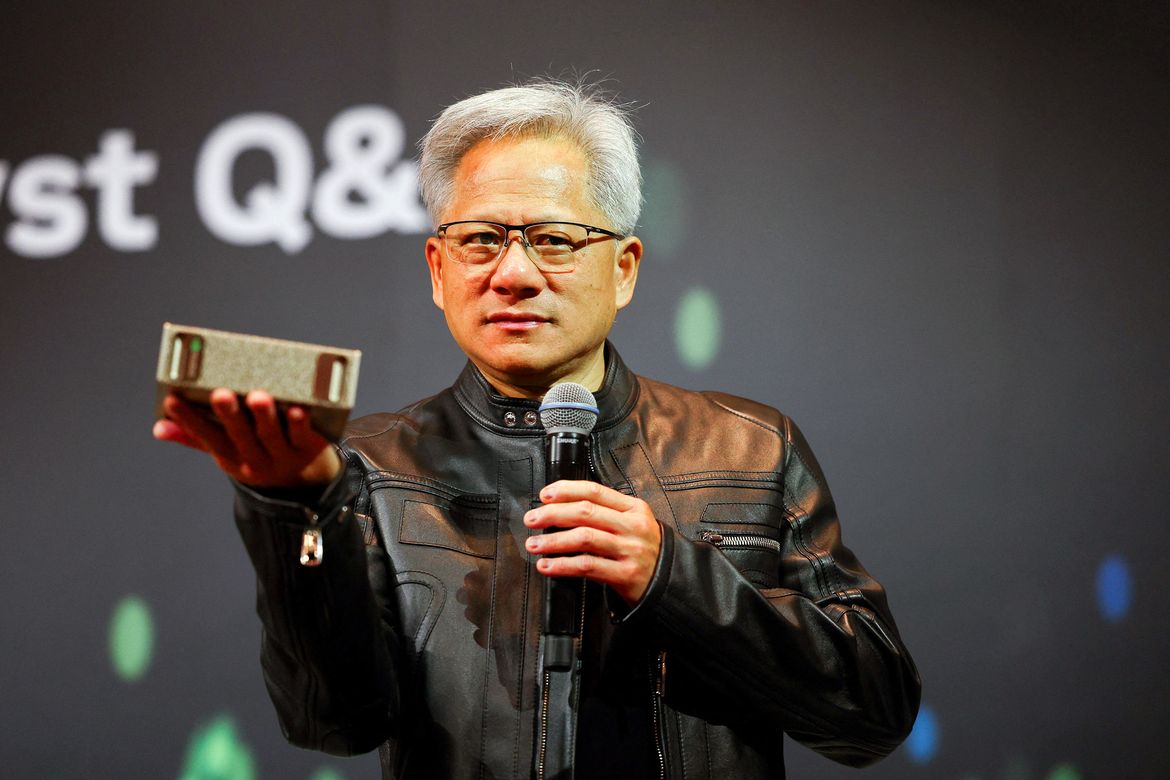
TAIPEI — Nvidia Corp. has officially set its sights on the personal computing market, unveiling the RTX Spark Superchip at the Computex trade show. This move marks a strategic assault on the long-standing dominance of Intel and AMD in the PC processor space, as Nvidia seeks to cement its central role in the burgeoning "AI PC" era.
A New Era of PC Performance
The RTX Spark Superchip represents a significant engineering leap, combining a 20-core central processing unit (CPU) with a Blackwell-generation graphics processor featuring 6,144 cores. Developed in collaboration with MediaTek and built using TSMC’s advanced 3N manufacturing process, the chip is designed to run on Microsoft’s Windows for Arm operating system.
Key features of the RTX Spark include:
• AI-First Architecture: The chip is engineered to handle large AI models locally and securely, enabling advanced features like real-time content generation in creative software and intelligent AI assistants.
• Data-Center Power for Laptops: By utilizing Nvidia’s NVLink interface, the chip brings high-end data center communication speeds to consumer laptops and desktops.
• Unmatched Efficiency: Leveraging Arm’s architecture, the chip promises superior power efficiency, allowing PC manufacturers to build powerful machines that remain thin, light, and capable of high-end gaming.
Market Disruption and Strategic Shifts
The announcement has sent shockwaves through the financial markets. Intel shares fell by 7.3% following the news, while Nvidia saw a 4% gain. Arm Holdings, whose architecture serves as the foundation for the new chip, saw its stock jump by 18%.
The competition is complicated by an existing multi-billion dollar partnership between the giants. Nvidia previously invested $5 billion into Intel to co-develop hardware, and the two companies currently maintain a reciprocal agreement to utilize each other's graphics and processor technology in various data center and PC products.
The Challenge to the x86 Duopoly
For decades, the x86 architecture used by Intel and AMD has been the industry standard for Windows PCs. Nvidia’s entry aims to finally solidify the transition to Arm-based PCs, a goal that Microsoft and Qualcomm have pursued for years with limited success.
"The number of customers, the number of partners that are so excited to bring RTX to market is just incredible," said Nvidia CEO Jensen Huang. He characterized the RTX Spark as the catalyst for a shakeup in the PC arena that may eventually rival the transformative impact of the smartphone.