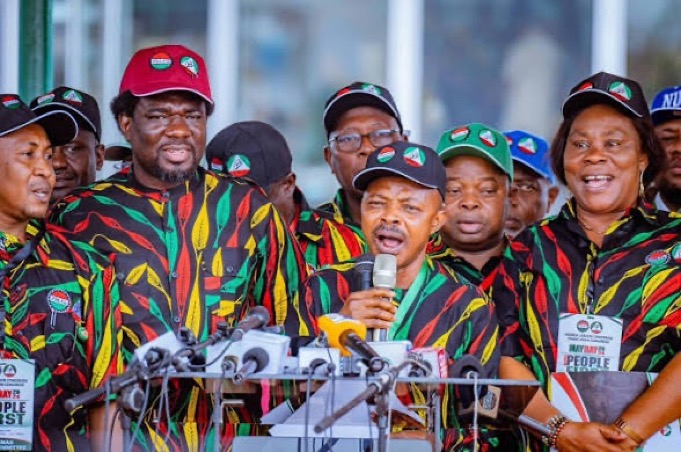
ABUJA — The Nigeria Labour Congress (NLC) has officially dismissed the ₦100,000 national minimum wage proposal currently being considered by state governors as "unrealistic." Speaking on behalf of the union, NLC spokesperson Benson Upah asserted that in the face of skyrocketing inflation and economic pressure, Nigerian workers require a minimum wage of ₦1 million to maintain a decent standard of living.
The Conflict Over Wage Proposals
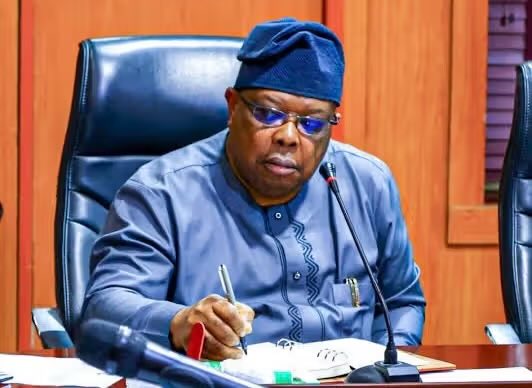
The debate was ignited by Kwara State Governor and Chairman of the Nigeria Governors’ Forum, AbdulRahman AbdulRazaq, who suggested that governors were looking at a ₦100,000 floor to help workers cope with the rising cost of living.
While the NLC acknowledged the Governors’ Forum's willingness to engage in wage discussions, Upah stressed that the figure is fundamentally disconnected from the current economic reality.
Why Labour Demands ₦1 Million
The NLC’s push for a ₦1 million monthly wage is predicated on several critical economic factors that have eroded the purchasing power of the Nigerian workforce:
• Currency Depreciation: The continued decline of the naira against major currencies.
• Cost of Living Crisis: Surge in fuel pump prices, increased electricity tariffs, and record-high food inflation.
• Fiscal Windfalls: Upah noted that government revenues have increased significantly, specifically referencing over ₦5 trillion in additional treasury funds from recent global market conditions, which he argues should be directed toward worker remuneration.
• New Tax Regimes: The cumulative impact of recent tax measures on the average household budget.
A Growing Divide
This latest standoff highlights the deepening rift between state governments and organised labour. Since the Federal Government approved the ₦70,000 minimum wage in July 2024, labour unions have consistently argued that the adjustment was insufficient to keep pace with the hyperinflation that followed the removal of fuel subsidies and the floating of the naira.
As negotiations remain stalled, the NLC maintains that the workforce is the nation's most valuable asset and must be compensated adequately to drive productivity and long-term economic stability.