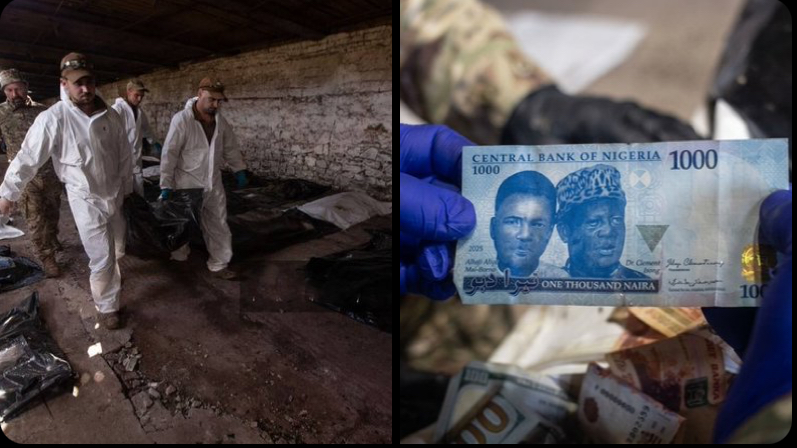
DONETSK — A grim discovery on the frontlines of eastern Ukraine has provided new evidence of the growing involvement of African nationals in the Russia-Ukraine conflict, as volunteer recovery groups report finding a Nigerian banknote on the body of a fallen soldier fighting for Russian forces.
Platsdarm: 1,700 Africans Fighting for Russia in Donetsk
• Discovery: Nigerian banknote found June 28 on fallen soldier
• Scale: 1,700+ Africans from 36 countries fighting for Russia - Feb 2026 intel
• Recruiters: Travel agencies + influencers promise jobs/citizenship
• FG Response: Nigeria investigating, collaborating with security agencies
The discovery was made on June 28, 2026, by the Platsdarm Volunteer Recovery Group, a Ukrainian organization dedicated to the recovery and identification of war dead. While investigators emphasize that the presence of local currency does not serve as definitive proof of the deceased soldier’s nationality, it has become a critical material trace in ongoing efforts to map the recruitment networks drawing African citizens into the European theater of war.
Inside the Transnational War Pipeline
This recovery is the latest in a series of findings suggesting that the conflict in Donetsk has become a magnet for transnational manpower. As of February 2026, intelligence reports estimated that over 1,700 African nationals from 36 countries were actively engaged in military service for Russia.
Investigations by global media outlets have uncovered a sophisticated web of recruitment syndicates operating across Africa. These networks often comprised of travel agencies, social media influencers, and rogue recruiters frequently target vulnerable young men with fraudulent promises of stable employment, engineering scholarships, and fast-tracked European citizenship. Upon arrival in Russia, however, many are reportedly coerced into military service, often deployed to the frontlines with insufficient training.
The Role of Platsdarm
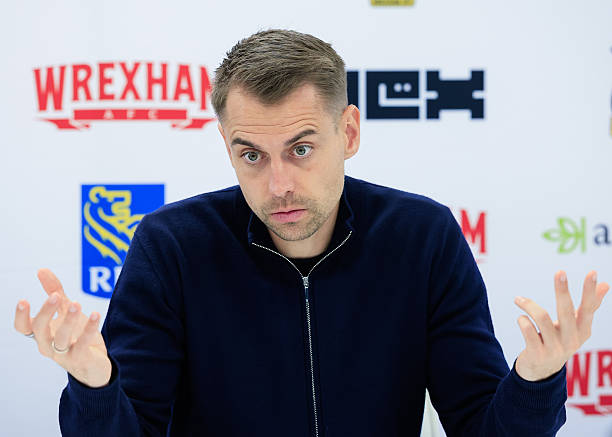
The Platsdarm Volunteer Recovery Group, founded in 2014 by Oleksii Yukov, has been at the center of the grueling humanitarian effort to recover human remains from the heavily mined and shelled sectors of the Donetsk and Kharkiv Oblasts. Since the full-scale invasion began, the organization has recovered more than 3,000 bodies, processing the remains of both Ukrainian and Russian personnel to facilitate potential future repatriations.
The recovery of the Nigerian currency provides a concrete lead for investigators attempting to trace the travel routes and logistical chains used by these trafficking syndicates.
Diplomatic and Security Concerns
The incident has intensified pressure on African governments to address the growing threat of illegal military recruitment. Several nations, including Kenya, have already raised formal concerns regarding syndicates luring their citizens into foreign conflicts under false pretenses.
The Federal Government of Nigeria has issued warnings regarding these fraudulent migration schemes, stating that it is actively collaborating with relevant security agencies to investigate such cases. Officials have emphasized that they are working to dismantle the recruitment pipelines that exploit citizens through promises of international prosperity.
As the conflict continues, forensic identification remains the primary hurdle for authorities. The remains recovered by Platsdarm must undergo rigorous verification processes to officially determine the soldier's identity, which would allow for coordination with relevant diplomatic missions to address the underlying trafficking operations.