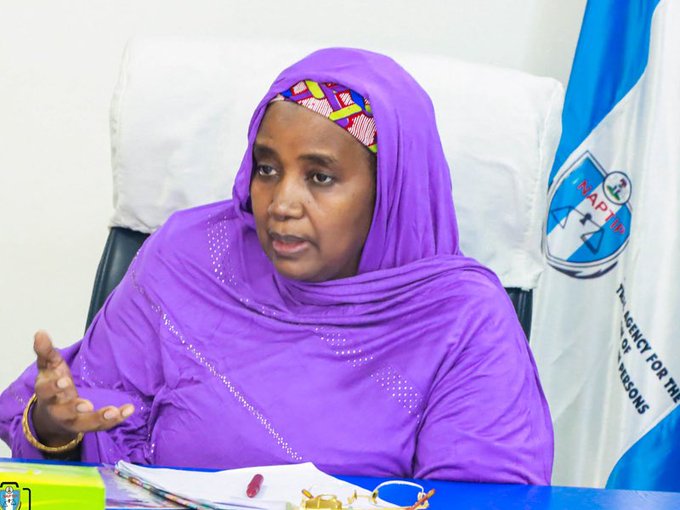
Nigeria’s National Agency for the Prohibition of Trafficking in Persons (NAPTIP) has warned individuals, community leaders and organisations against resolving sexual and gender-based violence (SGBV) cases through informal, out-of-court settlements, stressing that such arrangements can undermine investigations and deny survivors access to justice.
The agency said allegations of sexual offences must be handled through established legal procedures, warning that cultural practices, religious interventions and private agreements must not be used to shield alleged perpetrators from accountability.
NAPTIP’s Head of Media and Public Relations at its Abuja headquarters, Vincent Adekoye, gave the warning while speaking to journalists during a mentorship programme for members of the State Sexual and Gender-Based Violence Media Corps. The programme was sponsored by the European Union and International IDEA.
The warning comes amid concerns raised by media practitioners that some sexual offence cases are being settled at the community level without formal judicial proceedings, potentially preventing survivors from obtaining justice through the courts.
NAPTIP Says Criminal Cases Must Follow Due Process
Adekoye stressed that institutions, community organisations and other stakeholders cannot replace the established judicial process when dealing with criminal allegations.
He maintained that only a court with the appropriate jurisdiction can make binding judicial pronouncements in criminal cases, urging stakeholders to ensure that allegations of sexual and gender-based violence are not handled through informal arrangements that could interfere with investigations.
According to NAPTIP, allowing sexual violence allegations to be resolved privately can create opportunities for alleged offenders to escape accountability and discourage survivors from pursuing formal complaints.
The agency's position highlights the distinction between community-level mediation and the criminal justice process. While families and community leaders may attempt to resolve disputes privately, such interventions cannot substitute for the investigation and prosecution of criminal offences where the law requires formal proceedings.
The warning also places responsibility on community leaders, religious institutions and other influential individuals to avoid actions that could obstruct investigations or expose survivors to further pressure.
NAPTIP called for greater cooperation among law enforcement agencies, judicial authorities, social workers, community leaders and organisations working to protect vulnerable people.
Informal Settlements Could Deny Survivors Justice
The agency's warning followed concerns raised during the mentorship programme about findings from field investigations suggesting that some sexual offence cases were being settled outside the courtroom without formal judicial decisions.
Such arrangements can create serious challenges for survivors, particularly when families or community representatives prioritise a private agreement over the survivor's access to justice.
In some cases, survivors may face pressure to withdraw complaints, accept compensation or remain silent to protect family relationships, community reputations or religious standing. These pressures can discourage reporting and complicate efforts by investigators to establish the facts of an allegation.
Informal settlements may also leave survivors without adequate protection, medical assistance, psychological support or access to other services they may need.
NAPTIP warned against practices that could compromise investigations or enable perpetrators to avoid legal consequences. The agency stressed that addressing sexual and gender-based violence requires coordinated action rather than arrangements that suppress allegations or discourage survivors from seeking help.
The warning does not mean that every dispute involving gender-based violence has identical legal circumstances. However, where conduct amounts to a criminal offence, a private agreement should not be treated as a substitute for the applicable legal process.
Cultural and Religious Practices Under Scrutiny
NAPTIP also raised concerns about the use of cultural and religious practices to resolve serious sexual offences.
Community leaders and religious authorities can play important roles in preventing violence, encouraging reporting and supporting survivors. However, the agency warned that their interventions must not compromise investigations or deny victims access to justice.
In some communities, allegations of rape, incest and other forms of sexual abuse may be treated as private family matters. Relatives may seek to avoid public embarrassment, while community representatives may encourage a settlement intended to preserve relationships or prevent conflict.
Such approaches can place survivors in difficult situations, especially when the alleged offender is a relative, family acquaintance or person with influence in the community.
NAPTIP has previously warned against settling serious offences such as rape and incest at the community level. In an earlier intervention, the agency urged survivors and those with information about such cases to report them to NAPTIP, the police or other appropriate law enforcement authorities.
The agency's latest warning reinforces the need to distinguish between community support for survivors and attempts to prevent criminal allegations from reaching the appropriate authorities.
Journalists Urged to Protect Survivors' Identities
Beyond the issue of informal settlements, NAPTIP urged journalists to report sexual and gender-based violence cases accurately, professionally and sensitively.
Adekoye said media practitioners must remain alert to changing methods used to commit sexual and gender-based offences and develop a stronger understanding of the challenges involved in investigating and prosecuting such cases.
He urged journalists to follow responsible reporting practices, particularly when handling survivors' accounts and publishing information that could expose victims to stigma, discrimination or further harm.
Protecting survivors' identities is particularly important in sexual violence reporting. Identifying details, photographs, personal information and other clues can sometimes expose a survivor even when their name is not directly published.
Responsible reporting also requires journalists to distinguish allegations from established facts, avoid prejudicial language and refrain from publishing unverified claims that could compromise investigations or unfairly damage the rights of people involved.
NAPTIP encouraged journalists to move beyond reporting individual incidents and investigate broader institutional challenges, including gaps in reporting channels, delays in investigations and failures to provide appropriate support to survivors.
The agency said the media has an important role in holding institutions accountable and improving public understanding of the legal and social issues surrounding sexual and gender-based violence.
EU and International IDEA Support Media Initiative
The warning was delivered during a mentorship programme organised for members of the State SGBV Media Corps, an initiative intended to strengthen journalists' ability to report sexual and gender-based violence responsibly.
The programme is supported by the European Union and International IDEA as part of broader efforts to improve media coverage of SGBV and strengthen public awareness.
The initiative follows capacity-building activities designed to help selected journalists develop specialist knowledge of sexual violence reporting, survivor protection and the institutional responses required to address abuse.
Participants used the mentorship programme to review their activities, discuss challenges encountered in the field and consider how media reporting could contribute more effectively to prevention and accountability.
The initiative also encourages journalists to investigate systemic problems rather than focusing exclusively on individual incidents.
These issues include the pressure survivors may face to abandon complaints, weaknesses in institutional responses and the role of community structures in either supporting survivors or obstructing access to justice.
NAPTIP and its partners aim to encourage evidence-based reporting that protects survivors while helping the public understand how sexual and gender-based violence cases should be addressed.
Survivors Need Accessible Reporting and Support Services
NAPTIP's warning comes as stakeholders continue to emphasise the importance of accessible reporting channels, timely investigations and support services for survivors.
Reporting sexual violence can be difficult, particularly when survivors fear retaliation, social stigma, financial hardship or rejection by their families and communities.
Some may also be reluctant to approach law enforcement because they are uncertain about the reporting process or concerned about how their complaints will be handled.
These challenges make it important for survivors to have access to appropriate authorities, medical care, psychosocial support and information about their legal options.
NAPTIP has previously encouraged the preservation of relevant evidence and prompt access to medical care when sexual violence is reported. The agency has also urged people with information about offences to report them to appropriate authorities rather than attempting to resolve serious allegations privately.
Community members can contribute by supporting survivors, helping them reach legitimate reporting channels and avoiding actions that could expose them to intimidation or public humiliation.
Journalists, meanwhile, can help by providing accurate information about available support services without revealing confidential details or making survivors identifiable.
NAPTIP Calls for Greater Accountability
The agency's latest intervention underscores the need for stronger cooperation between law enforcement, the judiciary, community leaders, social workers and the media.
NAPTIP said tackling sexual and gender-based violence requires more than condemning individual incidents. It also requires identifying institutional weaknesses, improving investigations and ensuring survivors can seek justice without being pressured into informal agreements.
For community and religious leaders, the message is that efforts to support families and maintain social harmony should not undermine the legal process in criminal cases.
For journalists, the agency has called for accurate, sensitive and investigative reporting that protects survivors while examining failures in the systems responsible for preventing and responding to abuse.
The warning also places renewed attention on the consequences of allowing serious sexual offences to be treated as private disputes.
NAPTIP maintains that alleged perpetrators must be held accountable through the appropriate legal process and that survivors should not be denied justice because of cultural expectations, religious pressure or informal settlements.