LAGOS — Major enforcement escalation has been surfaced that highlights the accelerating momentum of European immigration tightening, German authorities deported at least 137 Nigerian nationals across five separate chartered flight operations between February and June 2026.
The coordinated returns, documented through comprehensive monitoring reports issued by human rights monitoring groups including the DERS Team and Refugees4refugees.org, signal an increased reliance on heavy, joint-state charter operations to execute forced removals across the European continent.
The documented arrival figures reflect a steady, monthly cadence of forced returns arriving at the Lagos Cargo Airport.
The enforcement surge began with twenty-seven deportees in February, followed by a major joint European Union operation in March where Germany accounted directly for thirty-seven of fifty returned individuals.
Subsequent chartered operations returned twenty-four Nigerians in April, twenty-three in May, and twenty-six in June.
As civil society organizations and migration rights advocates raise serious concerns regarding health vulnerabilities, procedural oversights, and post-arrival reception neglect, the developments underscore the widening gap between European administrative enforcement and West African reintegration infrastructure.
Increased Use of Charter Operations: Breaking Down the Return Figures
The operational details surrounding the five chartered flights reveal a highly organized, multi-jurisdictional effort by European law enforcement agencies to accelerate return mandates for rejected asylum applicants and undocumented migrants.
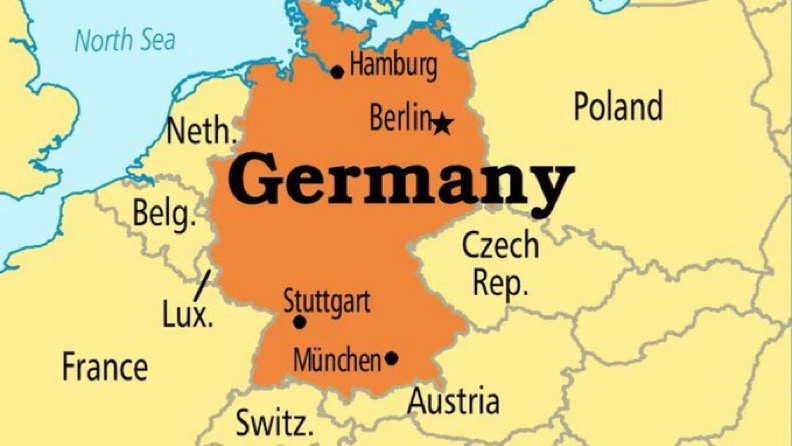
The initial flight on February 18, 2026, operated by commercial charter carrier World2fly, departed from Stuttgart and landed at the Lagos Cargo Airport shortly before two in the afternoon carrying twenty-seven deportees.
While the state of Baden-Württemberg served as the primary administrative driver behind the flight, the operation demonstrated inter-state coordination across Europe, as one severely ill individual was transferred from Slovakia to join twenty-six individuals removed directly from German municipalities.
The enforcement push reached its single highest volume on March 10, when Germany hosted a joint European Union charter flight in direct collaboration with Spain, Austria, and Belgium.
That operation returned fifty individuals to Nigeria—thirty-seven directly from German custody—marking the largest single deportation flight involving Nigerian citizens recorded over a three-year monitoring window.
The systematic deployment of chartered air transport continued on April 9 with twenty-four deportees, followed by twenty-three in May, and a final batch of twenty-six arriving on June 17, bringing the cumulative five-month total to 137 affected citizens.
Human Rights Concerns, Health Vulnerabilities, and Procedural Errors
The implementation of these deportation flights has drawn intense criticism from humanitarian groups monitoring flight departures and ground arrivals, who allege that administrative speed is routinely prioritized over human rights protections and health safeguards.
Monitoring reports indicate that several individuals deported during the early 2026 operations suffered from acute physical and mental health conditions that rendered them unsuited for forced long-haul transit.
Furthermore, many of those removed were not recent border crossers, but individuals who had lived, worked, and established deep socio-economic ties within German communities over several years.
In one notable instance highlighted by human rights groups, a single mother and her three young children were forcibly removed from the Sindelfingen district near Stuttgart despite possessing active documentation regarding their residency status.
The family was only able to return to Germany after local volunteer advocates intervened, forcing municipal immigration authorities to officially concede that the deportation had been executed in error.
Beyond the logistical mechanics of the flights, human rights observers reported critical failures at the point of arrival in Nigeria.
During the February operation, state authorities and federal social welfare agencies failed to deploy official representatives to receive the returning citizens at the airport.
Left without emergency financial stipends, medical support, or transitional housing assistance, the deportees were obliged to navigate their immediate reintegration without state aid, exposing them to immediate vulnerability and economic distress upon landing in Lagos.
Frontex Operations, Return Directives, and Asylum Adjudication Frameworks
Navigating the legal mechanics of European deportation policies requires a clear understanding of international border frameworks, administrative return orders, and joint enforcement architectures.
A key entity facilitating these charter removals is Frontex, officially known as the European Border and Coast Guard Agency.
Created by the European Union to coordinate management across member states' external borders, Frontex provides logistical, technical, and financial support for joint return operations.
When individual European nations issue final administrative return decisions, Frontex consolidates charter flights, coordinates charter aircraft leasing, and arranges multi-national security escorts to ensure that individuals from various European jurisdictions are returned on unified flight paths.
At the legal core of these deportations is the European Union Return Directive, a standardized legal framework that establishes common standards and procedures across member states for returning illegally staying third-country nationals.
Under this framework, once an individual's application for asylum or legal residency is formally exhausted through judicial appeals, the host nation issues an enforceable return order.
If the individual does not depart voluntarily within a specified window, authorities possess the legal mandate to execute forced removal using administrative detention and chartered flights.
Another critical legal concept is the status of Duldung, or temporary suspension of deportation, which is frequently utilized under German immigration law.
A Duldung is not a legal residence permit, but rather a temporary stay of removal granted to individuals who cannot be deported due to legal, humanitarian, or practical obstacles, such as lack of travel documentation or severe illness.
Many long-term Nigerian residents in Germany operate under this precarious legal status, leaving them perpetually vulnerable to sudden enforcement actions if local authorities re-evaluate their medical fitness or secure emergency travel certificates from home embassies.
Bilateral Migration Agreements and European Policy Evolution
The surge in charter removals from Germany to Nigeria represents the tangible output of years of bilateral negotiations, legislative shifts, and tightening European migration policies.
-
May 2018: Germany and Nigeria establish a joint bilateral working group on migration and regional security, focusing on streamlining identification procedures for undocumented migrants and accelerating the issuance of emergency travel certificates.
-
December 2018: The European Union signs a comprehensive cooperation agreement with the Nigerian government to bolster border management technologies and combat human trafficking networks across Sub-Saharan Africa.
-
May 2022: The United Nations convenes the inaugural International Migration Review Forum in New York, urging signatory nations to align domestic enforcement with the human rights principles outlined in the Global Compact for Migration.
-
December 2025: German state authorities, led by Baden-Württemberg, conduct a major chartered removal operation from Stuttgart to Lagos, establishing the logistical template for subsequent 2026 operations.
-
February 18, 2026: A World2fly charter flight deports twenty-seven Nigerians from Stuttgart to Lagos, coinciding with Nigeria's national preparations for the Voluntary National Review of the Global Compact for Migration.
-
March 10, 2026: Germany leads a joint EU Frontex operation returning fifty migrants, including thirty-seven from Germany, marking the largest single charter removal operation in three years.
-
June 17, 2026: The fifth documented charter operation of the year lands in Lagos, bringing the total number of Nigerians deported from Germany across the five-month period to 137.
Post-Arrival Integration Gaps, Airport Receptions, and Economic Realities
The continuous return of hundreds of citizens via chartered deportation flights carries severe socio-economic consequences for Nigeria’s urban centers, public social services, and domestic security stability.
From a social and economic perspective, returning deportees into an economy facing elevated inflation and structural unemployment creates immediate humanitarian strain.
When deportees arrive without post-arrival reception support, emergency stipends, or temporary shelter arrangements, they face severe psychological trauma and immediate economic disenfranchisement.
Without structured federal reintegration programs designed to absorb returned citizens into local labor markets or vocational training pathways, many deportees are forced into urban informal economies, increasing their susceptibility to poverty and re-trafficking networks.
Furthermore, the lack of institutional coordination between European authorities and Nigerian social welfare agencies highlights a systemic failure in human-centered governance.
While European governments dedicate significant financial capital to charter flights, security escorts, and border technology, minimal resources are allocated toward post-return sustainability.
Failing to establish functional post-arrival reception infrastructure at major transit hubs like the Lagos Cargo Airport ensures that the root causes of irregular migration remain unaddressed, creating a cyclical dynamic where returned individuals immediately seek fresh routes to re-enter Europe.
The Global Compact for Migration and Sub-Saharan Migration Trends
The operational focus on deporting Nigerian nationals connects directly to broader international migration politics, regional mobility dynamics within West Africa, and global diplomatic commitments.
The execution of forced returns during the early months of 2026 coincided awkwardly with Nigeria's participation in preparations for the Voluntary National Review of the Global Compact for Safe, Orderly and Regular Migration.
The Global Compact, adopted by United Nations member states in 2018, explicitly calls for safe, dignified return procedures, the protection of vulnerable migrants regardless of their legal status, and enhanced cooperation on sustainable post-arrival reintegration.
The stark contrast between international diplomatic discussions in New York and the unassisted arrival of sick and vulnerable deportees at Lagos airports highlights the persistent gap between global policy ideals and domestic enforcement realities.
Across the broader European political landscape, the tightening of migration policies reflects a continent-wide political shift toward deterrence, border militarization, and accelerated returns.
As mainstream European political parties face mounting pressure from nationalist factions, governments across Germany, Austria, Spain, and Belgium have prioritized visible, high-volume return operations to demonstrate control over national borders.
With irregular migration driven by persistent global factors including climate change, economic inequality, and regional instability, European nations are increasingly relying on joint Frontex charter operations to enforce migration decisions, ensuring that Sub-Saharan nations like Nigeria will remain under continuous pressure to absorb returned populations for the foreseeable future.