ABUJA / PRETORIA — The Nigerian Federal Government has officially launched an urgent, large-scale evacuation mission to bring back its nationals from South Africa, as the safety of the Nigerian diaspora faces unprecedented threats due to a sharp rise in xenophobic violence. This operation, currently unfolding between Abuja and Pretoria, marks a significant escalation in the government’s response to ensure the protection of its citizens abroad.
The Scale of the Repatriation Process
The evacuation mission is not merely a logistical challenge; it is a response to a rapidly deteriorating social climate. Kimiebi Ebienfa, spokesperson for the Nigerian Ministry of Foreign Affairs, confirmed that the number of Nigerians seeking voluntary repatriation has spiked dramatically. From an initial list of 130 individuals seeking assistance, the figure has surged to 1,094, indicating a widespread sense of fear and urgency within the Nigerian community in South Africa.
To ensure the success of this mission, the Federal Government has implemented a highly organized structure:
-
Joint Screening Protocols: The repatriation is supported by a comprehensive screening process. Nigerian officials are working in close collaboration with South African immigration and police authorities to verify the eligibility of those registered for the flights. This dual-layered verification ensures that the list of returnees is accurate and that the mission adheres to both Nigerian and South African legal requirements.
-
Waiver of Visa Penalties: A major hurdle for many foreign nationals in South Africa has been the status of their documentation, often complicated by systemic delays or economic hardship. In a critical move to facilitate the mass exit, South African authorities have agreed to waive penalties for visa violations, such as overstaying. This administrative concession is vital for those who may have fallen out of legal status due to the very environment of intimidation they are now fleeing.
-
Exclusion of Criminal Elements: It is important to note that the evacuation is not a blanket escape for all. Individuals currently facing active criminal charges in South Africa are explicitly excluded from the evacuation program. This ensures that the mission remains focused on the protection of law-abiding citizens caught in a cycle of violence, rather than interfering with the host country’s judicial processes.
-
Coordination and Logistics: The screening process is moving toward its final phase, with completion expected by the end of this weekend. Once the final clearance is obtained from South African authorities, the Nigerian government will finalize passenger lists and coordinate the specific logistics for the airlift, ensuring that the returnees are transported back safely and efficiently.
Diplomatic Tensions and the Context of Conflict
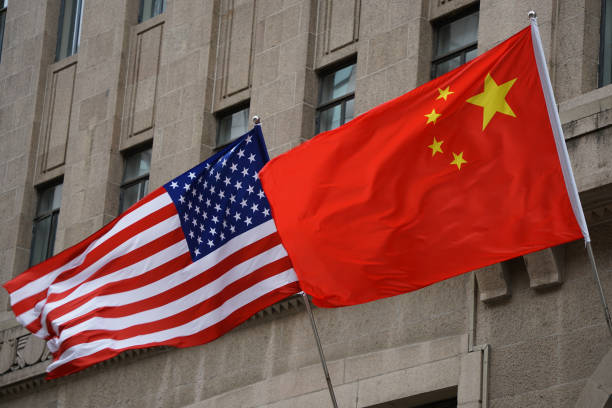
These repatriation efforts are occurring against the backdrop of deep diplomatic friction between Abuja and Pretoria. The Federal Government has taken a strong stance, formally condemning the ongoing violence. Of particular concern to Nigerian officials is the reported death of two Nigerian nationals who were allegedly assaulted by local security officials. Such allegations turn the situation from a "community unrest" issue into a potential breach of international diplomatic protocols and human rights obligations.
Nigeria’s proactive approach is part of a wider regional mobilization. Kimiebi Ebienfa noted that while the process is currently centered on Nigeria, it is part of a broader regional effort to manage the safety of African nationals. Ghana was prioritized for early repatriation as the violence first began to threaten its citizens, and Ethiopia is expected to follow Nigeria in the sequence of planned evacuations. This sequential approach highlights that the xenophobic climate is affecting a broad spectrum of the African diaspora in South Africa, rather than being confined to a single nationality.
Ensuring Citizen Welfare: Beyond the Airlift
The commitment of the Federal Government extends well beyond the physical act of getting citizens onto a plane. Officials have explicitly stated that the safe return of Nigerian citizens is a matter of "urgent national priority." The government is not merely facilitating transport but is actively preparing for the aftermath of the return.
Key components of the government's reintegration support include:
-
Temporary Accommodation: Recognizing that many returnees may be arriving with little to no resources, the government is arranging for temporary housing to provide immediate relief upon arrival in Nigeria.
-
Reintegration Support: The transition from being a worker in South Africa to a returnee in Nigeria requires careful planning. Government ministries are working to streamline the reintegration process, assisting citizens in navigating the economic transition and accessing local services.
-
Logistics of Airlift: The entire operation is being handled with the sensitivity required for those returning under duress. The government has prioritized the health and safety of the returnees, ensuring that the trauma of their experiences is met with an organized and humane support system upon their landing in Nigeria.
This mission reflects a shift in how Nigeria approaches its diaspora security. By moving from purely diplomatic dialogue to direct, action-oriented evacuation, Abuja is sending a clear message about the value it places on the lives and safety of its citizens, regardless of their location. The situation remains fluid, but the current coordination between the foreign ministries of both nations is intended to prevent further escalation while ensuring that those who wish to leave can do so without fear of additional harassment or legal penalty.
The ongoing repatriation is a testament to the fact that while diplomatic relations may falter, the fundamental responsibility of a state to protect its people remains the cornerstone of its foreign policy. As the logistics of the flights are finalized, the focus of the Federal Government remains steady: to ensure the safe, organized, and dignified return of every Nigerian who has sought help during this period of intense insecurity.