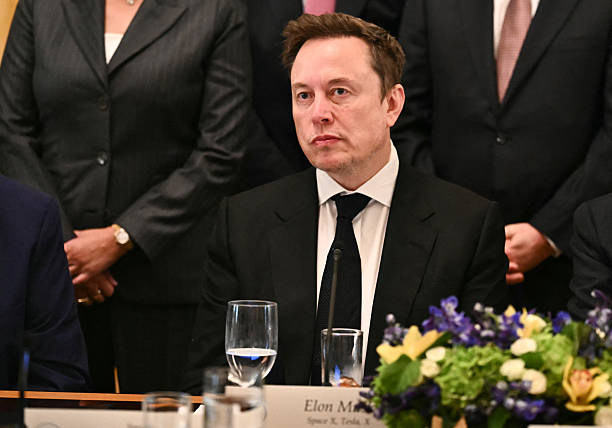
SpaceX, led by Elon Musk, has filed confidentially with the U.S. Securities and Exchange Commission for an initial public offering (IPO), setting the stage for one of the most valuable stock market debuts in history.
The aerospace giant, currently valued near $1 trillion, is expected to raise at least $50 billion through the offering, according to reports from Bloomberg, Reuters, and The New York Times. The IPO could propel SpaceX into the ranks of the world’s most valuable publicly traded companies, marking a pivotal moment for the commercial space industry.
Confidential Filing and Investor Roadshows
By submitting a confidential filing, SpaceX can begin regulatory discussions without immediately disclosing financial details. The process will lead to investor roadshows, where executives pitch the offering to institutional investors ahead of share sales. Analysts suggest a listing could come as early as June 2026.\
Musk’s Expanding Business Empire
Musk’s stake in SpaceX could dramatically increase his net worth, potentially positioning him as the world’s first trillionaire. The IPO follows a series of consolidations across Musk’s ventures, including the absorption of xAI, his artificial intelligence company, in an all‑stock deal that boosted SpaceX’s valuation to $1.25 trillion.
In 2024, xAI also took control of X (formerly Twitter), further linking Musk’s technology, social media, and aerospace interests. Industry experts say these moves highlight deliberate positioning ahead of the IPO, showcasing cost efficiencies and shared infrastructure to attract investors.
Capital Needs and Strategic Projects
SpaceX’s push for fresh capital reflects the enormous costs of scaling its ambitions:
-
Expanding the Starlink satellite network
-
Advancing reusable rocket technology
-
Supporting energy‑intensive AI infrastructure
Tesla has already invested more than $2 billion into xAI, underscoring the deep financial ties across Musk’s companies. Future collaborations include Terafab, a semiconductor manufacturing initiative designed to meet growing demand for advanced computing power.
SpaceX’s Long-Term Vision
Founded in 2002, SpaceX revolutionized space travel with reusable rockets and secured its first NASA contract in 2006. Today, it dominates commercial launches and operates Starlink, providing global internet coverage.
Looking ahead, Musk envisions deploying space-based data centers to support AI systems and ultimately establishing a self-sustaining settlement on Mars—ambitions that remain highly challenging but continue to capture global attention.