DUBAI, UAE — Dubai-based logistics giant DP World is in advanced, high-stakes talks to develop a major new multipurpose port and container terminal in the coastal emirate of Fujairah. This strategic initiative is designed to provide the United Arab Emirates (UAE) with a critical maritime gateway on the Gulf of Oman, effectively bypassing the Strait of Hormuz—the narrow, volatile waterway that has become a dangerous flashpoint in the ongoing conflict between the United States and Iran.
The decision underscores the UAE’s transition toward a resilient infrastructure model that no longer assumes the permanent, uninterrupted availability of the Strait of Hormuz. For decades, the flagship Jebel Ali port in Dubai has served as the bedrock of the nation’s economy, cementing the UAE’s status as a global trade and logistics powerhouse. However, the intensification of regional hostilities has exposed the profound vulnerability of an economy heavily dependent on a single, easily blockaded maritime chokepoint.
The Catalyst: Resilience in the Face of Escalating Conflict
The push for an alternative maritime corridor follows months of intense, unprecedented disruption caused by the US-Iran conflict, which escalated sharply in February 2026. As Iranian retaliatory strikes—including the frequent deployment of ballistic missiles, cruise missiles, and drone swarms—targeted commercial shipping and regional infrastructure, transit through the Strait of Hormuz became increasingly perilous.
Recent maritime data from the UAE suggests that commercial activity at the Jebel Ali port plummeted by as much as 90% to 95% during periods when Iran restricted access to the strait. This collapse in throughput served as a harsh, multi-billion-dollar wake-up call for government planners and port operators, who have now shifted their focus toward "bulletproofing" the nation's supply chains against future crises.
According to reports from the UAE defense ministry and international monitoring agencies, Iran has fired nearly 3,000 drones or missiles at regional targets since the outbreak of hostilities. Most recently, another tanker was struck by an Iranian missile off the coast of Oman, highlighting the constant threat to shipping lanes.
The Fujairah Project: A New Logistics Frontier
Fujairah, located on the eastern coast of the UAE, outside the mouth of the strait, already serves as a critical node in the UAE’s energy infrastructure. It is currently the primary export point for Abu Dhabi’s crude oil, which is transported via a trans-emirate pipeline specifically designed to avoid Hormuz transit.
The proposed DP World project would significantly expand this capacity, transforming Fujairah into a versatile hub for containerized trade rather than just oil and gas. Key components of the master plan include:
-
Multipurpose Port & Terminal: Construction of a brand new, deep-water port and significantly expanded container terminals at the existing Fujairah harbour.
-
Overland Integration: Containers arriving at the new East Coast facilities would be seamlessly transported to Dubai, Abu Dhabi, and other regional destinations via an integrated overland logistics network, heavily reliant on the UAE’s recently completed high-speed rail links.
-
Strategic Redundancy: By establishing a port on the Indian Ocean, the UAE ensures that its trade routes remain open even if the Strait of Hormuz is completely shuttered by blockade or mine warfare.
-
Rapid Deployment: Sources indicate that the project could be operational in as little as 18 months—a highly ambitious timeline reflecting the strategic urgency with which the UAE government and DP World view the need for structural redundancy.
Jebel Ali: A Pillar Retained
Despite the aggressive focus on diversification, UAE officials have been quick to reassure local businesses and international investors that Jebel Ali will remain a cornerstone of the national economy.
"Jebel Ali will continue to be Jebel Ali," a senior company official noted in discussions with the Financial Times. "It will never be downsized." The project is a "defensive" measure meant to bolster security, not a replacement for the vast free-trade zones and world-class industrial infrastructure built around Dubai over the past several decades. The goal is to provide a "Plan B" for the region's top-tier logistics firms, ensuring that Dubai remains the premier hub for trade between the East and the West, regardless of the political climate in the Gulf.
A Geopolitical Reassessment
The shift reflects a broader, more cautious trend among Gulf Cooperation Council (GCC) states. Regional players are increasingly prioritizing self-reliance and redundant infrastructure to guard against the constant threat of naval blockades, cyber-attacks on navigation systems, and military escalation. With the Strait of Hormuz traditionally responsible for one-fifth of the world’s oil and gas exports, its recurring closures have forced a long-term, painful reassessment of global trade routes.
While the immediate economic cost of the conflict has been severe manifesting in record-high shipping insurance premiums, significant operational delays, and physical damage to maritime assets—the long-term infrastructure investment in Fujairah is viewed as a necessary strategic evolution. By opening a viable maritime gateway directly onto the Arabian Sea, the UAE is working to neutralize the leverage that external powers can exert over its trade flows during times of regional instability.
Economic and Security Implications
The initial investment is expected to run into the hundreds of millions of dollars, with the potential to rise exponentially as the port scales to handle massive container vessels. This investment is not merely an economic gamble; it is an insurance policy for the UAE’s future.
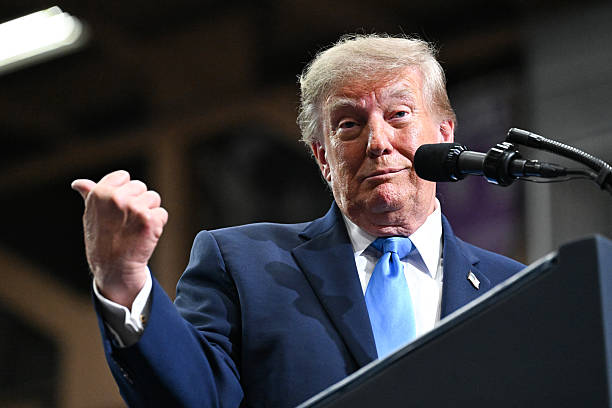
Furthermore, the escalation of the conflict has seen drastic measures, such as President Donald Trump’s suggestion of reinstating a blockade of Iranian shipping and proposing a 20% transit fee. Such rhetoric has only hardened the resolve of Gulf states to find alternatives to the status quo.
As the situation in the region remains fluid, the development of the Fujairah gateway represents the UAE’s proactive commitment to maintaining its position as a central player in the global logistics network. By ensuring that its economy remains connected to the global market—regardless of the volatility in the Strait of Hormuz—the UAE is signaling that it intends to define the next era of Gulf trade, one that is less dependent on the political whims of its neighbors.
Conclusion: A New Era of Maritime Strategy
The decision to build in Fujairah is a clear indication that the regional status quo has been permanently altered. The UAE, led by the strategic foresight of Dubai’s business elite, is betting on its ability to build its way out of geopolitical isolation.
As construction progresses and the project moves from the planning stage to active development, the global shipping industry will be watching closely. If successful, Fujairah could become the most vital maritime asset in the Middle East, serving as a blueprint for other nations seeking to escape the "chokepoint trap" of the 21st century. The lesson for the global trade community is clear: in an era of renewed geopolitical rivalry, infrastructure redundancy is the only true form of security.
For the UAE, the path forward is one of cautious but rapid development. The nation has survived the initial shock of the conflict, and with the Fujairah project, it is positioning itself to not just survive the next phase, but to lead it. The era of total reliance on the Strait of Hormuz is coming to an end, and a new, more resilient maritime future is being constructed on the eastern coast of the Emirates.
Do you believe this port will fundamentally shift the balance of power in the Gulf, or will the logistical costs of overland transport from Fujairah make it too expensive for all but the most essential goods?
What's your opinion? Share in the comments