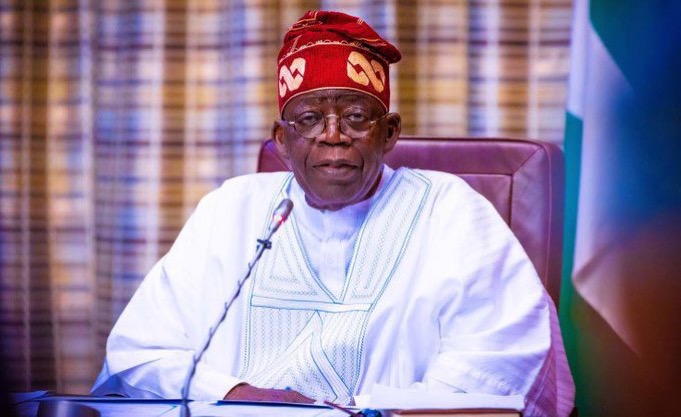
ABUJA — The Minister of Defence, General Christopher Gwabin Musa (Rtd), has ignited significant public debate after publicly calling for Nigerians to support President Bola Ahmed Tinubu for a second term in office. Speaking during a recent evaluation of the administration’s progress, the Minister argued that the country is beginning to see the fruits of the President’s "bold reforms," despite the prevailing economic hardships.
The "Labour Pains" Analogy
In his appeal for continued support, General Musa utilized a childbirth analogy to describe the current state of the nation. He likened Nigeria’s ongoing economic struggles to "labour pains" that precede the joy of a successful delivery.

"If he could have done this in three years, imagine he has four or five additional years to finish," the Minister stated, urging citizens to exercise patience and maintain unity behind the administration.
Public Reaction and Political Scrutiny
The Minister’s endorsement has been met with widespread criticism across various platforms. Key points of contention include:
• Politicization of Security: Observers have raised concerns over a serving or former high-ranking military official now a cabinet member engaging in overt partisan campaigning. Critics argue this undermines the non-partisan image of the security architecture.
• Economic Disconnect: For many Nigerians currently grappling with record-high inflation, rising unemployment, and persistent insecurity, the "labour pain" analogy has been dismissed as insensitive, with many expressing frustration that the anticipated "joy of delivery" has yet to materialize.
• Deflecting Responsibility: While the Minister acknowledged that the administration inherited long-standing systemic issues, critics contend that this serves only to deflect responsibility for the administration’s inability to deliver tangible improvements in the last three years.
As the 2027 general election cycle approaches, the success of the President's second-term bid remains heavily contingent on the government’s ability to move beyond rhetoric and provide measurable improvements in the daily lives of citizens.