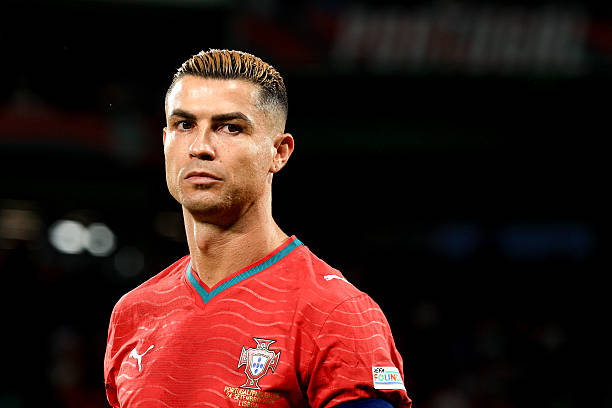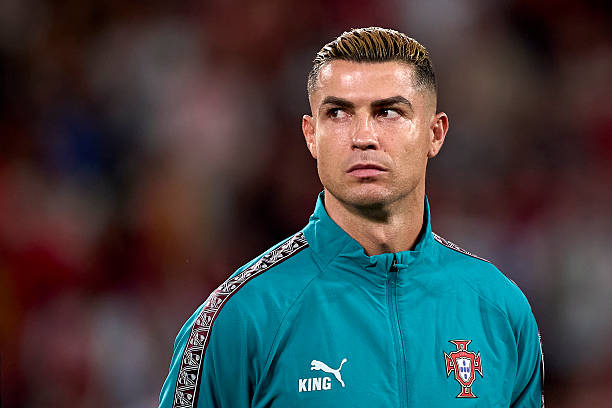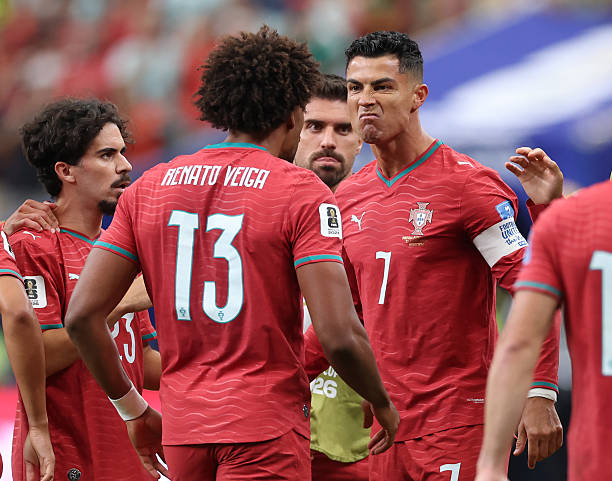
HOUSTON — In a performance that will be etched into the annals of football history, Cristiano Ronaldo delivered a masterclass at Houston Stadium on Tuesday, June 23, 2026. By finding the net twice in Portugal's resounding 5-0 victory over tournament debutants Uzbekistan, the 41-year-old icon became the first male player in the history of the sport to score in six different FIFA World Cup tournaments. This historic feat, achieved against a disciplined but ultimately overwhelmed Uzbek side, underscores the extraordinary longevity and enduring predatory instincts of one of the game's greatest legends.
A Historic Milestone in Houston
The match, a crucial fixture in Group K, began with Portugal signaling an immediate intent to dominate. Following a frustrating 1-1 draw against the Democratic Republic of the Congo in their tournament opener, Roberto Martínez’s side arrived in Houston with a mandate to reaffirm their status as title contenders. The atmosphere in the stadium was electric, with a massive crowd gathered specifically to witness the possibility of history.
The breakthrough came just six minutes into the contest. João Cancelo delivered a precise cross from the right flank, and Ronaldo—demonstrating the instinctive movement that has defined his illustrious career—drifted away from his marker to meet the ball at the near post. His delicate, clinical strike guided the ball beyond Uzbek goalkeeper Abduvohid Nematov, sending the Portuguese contingent into a delirium of celebration. With this goal, Ronaldo spanned his scoring excellence across two decades, having first scored at the 2006 tournament in Germany. The sheer weight of the moment was palpable, as the stadium erupted to honor a man whose career has become synonymous with breaking records.
Tactical Dominance and Clinical Finishing
Portugal’s momentum remained relentless throughout the first half. Manager Roberto Martínez had clearly instructed his squad to exploit the width of the pitch, and the strategy bore fruit early. In the 17th minute, Nuno Mendes doubled the lead with a brilliantly executed free-kick routine. As the crowd anticipated a direct strike from Ronaldo, the captain decoyed his run, allowing Mendes to curl a low, left-footed effort around the defensive wall and into the bottom corner, catching the Uzbek goalkeeper completely off guard.
Uzbekistan briefly threatened to mount a challenge when Aziz Ganiev struck a powerful long-range effort that found the back of the net in the 29th minute. However, the goal was cruelly chalked off by the Video Assistant Referee (VAR), which identified a foul in the build-up play, maintaining Portugal's two-goal cushion.
Read Also: Colombia Impresses in 3-1 Win Over Debutants Uzbekistan
Ronaldo’s second goal of the evening arrived in the 39th minute and carried deep historical significance for the Portuguese national team. Bruno Fernandes threaded an incisive, perfectly weighted pass through the defensive line, allowing Ronaldo to beat the offside trap and slot a calm, low finish into the corner. This goal moved Ronaldo onto ten World Cup career goals, officially surpassing the legendary Eusébio (nine goals) as Portugal’s all-time leading scorer in the tournament. The synergy between Fernandes and Ronaldo was a recurring theme throughout the half, showcasing a deep understanding that has been cultivated over years of international play.
A Comprehensive Statement of Intent
The second half saw Portugal tighten their tactical grip on the match, demonstrating the defensive maturity necessary to deep tournament runs. In the 60th minute, an unfortunate own goal—forced by a dangerous, curling corner kick from Bruno Fernandes—stretched the lead to 4-0. Despite the mounting scoreline, Portugal continued to press, showcasing the incredible depth of their attacking talent, which allowed Martínez to rotate his squad without losing momentum.
The final flourish of the evening arrived in the 87th minute through substitute Rafael Leão. After a burst of pace from Nélson Semedo down the right wing, the resulting cutback found Leão unmarked, and the forward swept a composed first-time finish into the top corner, rounding off a dominant 5-0 rout. This result was not just a win; it was a demonstration of a team hitting its stride at exactly the right time in the tournament cycle.
Tournament Implications and the Road Ahead
The result puts Portugal in a commanding position in Group K as they look toward the knockout stages. For Uzbekistan, the night was a harsh, educational introduction to the highest level of international football. Having faced intense pressure throughout their group-stage campaign—conceding three or more goals in every match—the Asian side now faces an uphill battle to keep their knockout hopes alive. Their progression path has narrowed significantly, with their fate now hinging on a complex set of outcomes from the DR Congo vs. Colombia fixture, where only a significant defensive stabilization will suffice.
For Roberto Martínez and his squad, the statement win in Houston serves as a massive boost to their tournament momentum. With 11 wins in their last 15 major international fixtures, the team has found the rhythm and tactical consistency that often define champions. As Ronaldo continues to defy his age and rewrite the record books, Portugal looks to have found the cohesion and clinical edge required to make a deep, potentially trophy-winning run into the 2026 World Cup bracket. The 5-0 rout not only secured three vital points but also reminded the world that, as long as Ronaldo is on the pitch, history remains well within reach for the Seleção das Quinas.