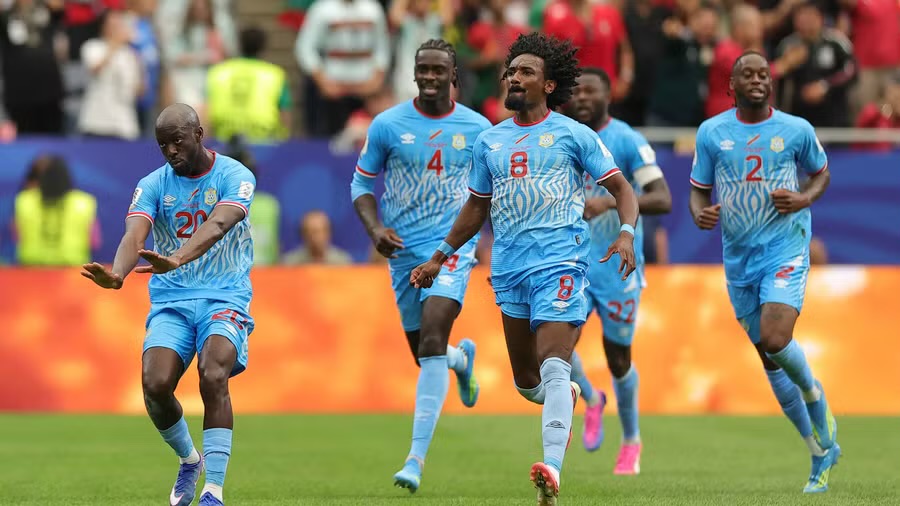
HOUSTON — The Democratic Republic of Congo made a thunderous statement upon their return to the FIFA World Cup stage, ending a 52-year absence with a display of pure grit and tactical defiance. Holding a star-studded Portuguese side to a 1-1 draw in their Group K opener, the Leopards proved that tournament pedigrees mean little when met with unparalleled defensive discipline. For Portugal, the stalemate at Houston Stadium continued a frustrating trend; the Seleção das Quinas have now secured only a single victory in their last five World Cup curtain-raisers, a statistic that will surely invite scrutiny as Roberto Martínez’s squad attempts to justify their status as tournament heavyweights.
An Early Lead and Tactical Resilience
The match began with Portugal exerting the expected pressure, appearing to cruise toward a routine victory within the opening minutes. João Neves, currently in the form of his international career, broke the deadlock in the sixth minute. Connecting with a precise, whipped cross from Pedro Neto, Neves directed a powerful header into the back of the net. The goal—his fourth in his last two competitive appearances—seemed to signal the start of a long afternoon for the Congolese defense.
However, the narrative of the match shifted rapidly. The Leopards refused to be intimidated by Portugal’s technical fluidity or the weight of their reputation. Despite ceding a large share of possession to their European counterparts, the DR Congo remained remarkably disciplined in their defensive shape, maintaining a low block that effectively neutralized the space behind their backline. Their persistence was rewarded just before the halftime whistle. From a perfectly delivered corner, Yoane Wissa found a pocket of space between the Portuguese markers, rising high to power a header past Diogo Costa. The goal was historic, marking the DR Congo’s first-ever goal in a World Cup finals match, a moment that sent the African supporters in attendance into a state of euphoria.
A Frustrated Portuguese Attack
The second half saw a more desperate Portuguese side emerge from the dressing room, clearly agitated by their inability to restore the lead. Manager Roberto Martínez attempted to inject fresh energy, introducing Francisco Conceição at the break to provide width and pace. Yet, the tactical adjustment failed to produce the desired clinical edge. Clear-cut chances remained rare as the Congolese defense tightened their grip, forcing Portugal into speculative long-range efforts and increasingly predictable crossing patterns.
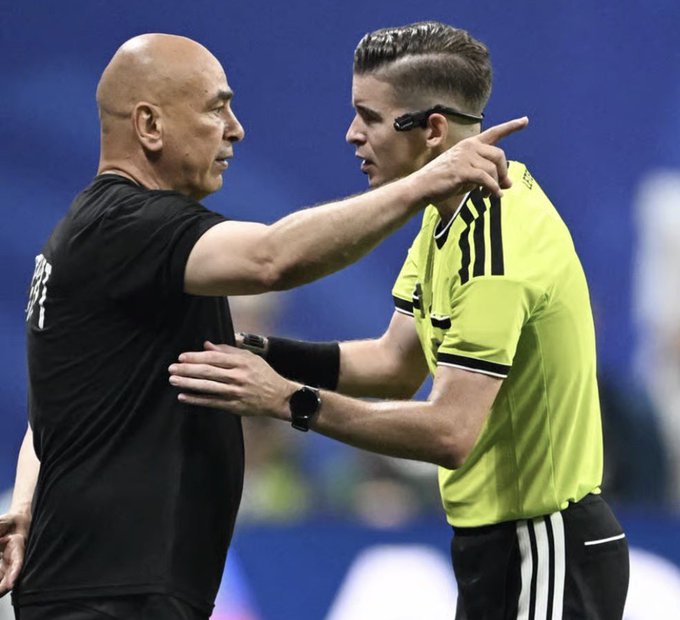
The tension peaked in the 66th minute when João Cancelo thought he had regained the lead with a spectacular, acrobatic effort that sent the ball looping over the goalkeeper. The celebration was short-lived, however, as the VAR team quickly identified a marginal offside in the build-up, confirming the score remained tied at 1-1.
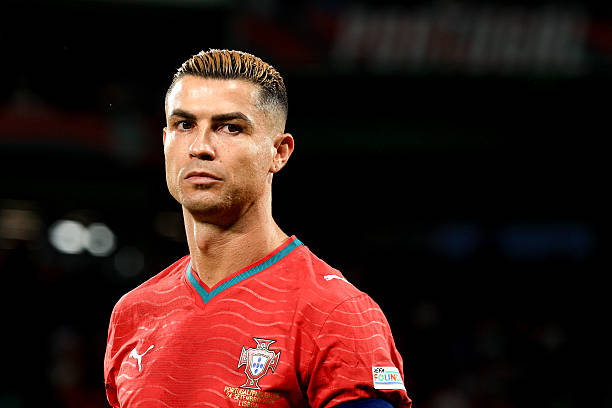
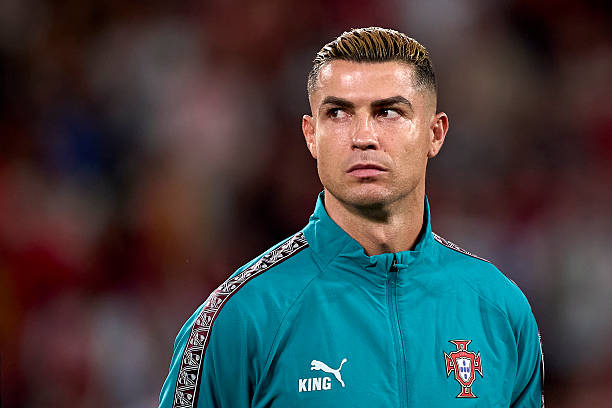
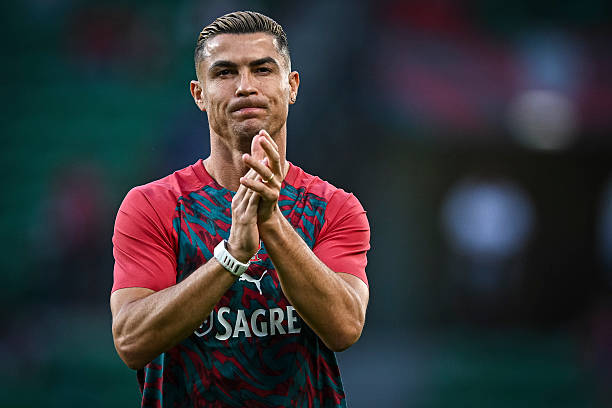
DR Congo, far from just defending, remained a constant menace on the counter-attack. Cedric Bakambu caused significant distress for the Portuguese backline with his physical hold-up play; in one instance, he nearly found the net, only to be whistled for a marginal foul in the scramble. Cristiano Ronaldo, the centerpiece of Portugal’s attack and a man chasing the record-breaking milestone of scoring in six different World Cup tournaments, struggled to find his characteristic rhythm throughout the evening. He came closest to finding a winner in the dying embers of the match, but he was unable to steer a dangerous cross from Conceição into the goal, ultimately left to rue the missed opportunity as the referee signaled for full-time.
Outlook for Group K
For the Democratic Republic of Congo, this result represents a monumental leap forward, particularly when measured against their difficult 1974 campaign. Securing a point against a team of Portugal's caliber provides the Leopards with genuine optimism as they navigate the remainder of the group stage. The defensive maturity shown in Houston suggests they have the tactical tools to compete with any side in the bracket.
Portugal, conversely, faces a period of urgent recalibration. The draw exposes a lack of attacking precision that could prove fatal if not corrected before their next fixture. With Colombia and Uzbekistan looming as difficult opponents in the group, the pressure is already mounting for the heavyweights to prove their title credentials. The Houston stalemate has effectively thrown Group K wide open, ensuring that the remaining matches will be contested with a level of intensity and tactical desperation rarely seen in the early stages of a World Cup tournament. For Portugal, the challenge now is to transform their dominance of possession into the clinical execution that a team of their talent is expected to deliver on the world's biggest stage.