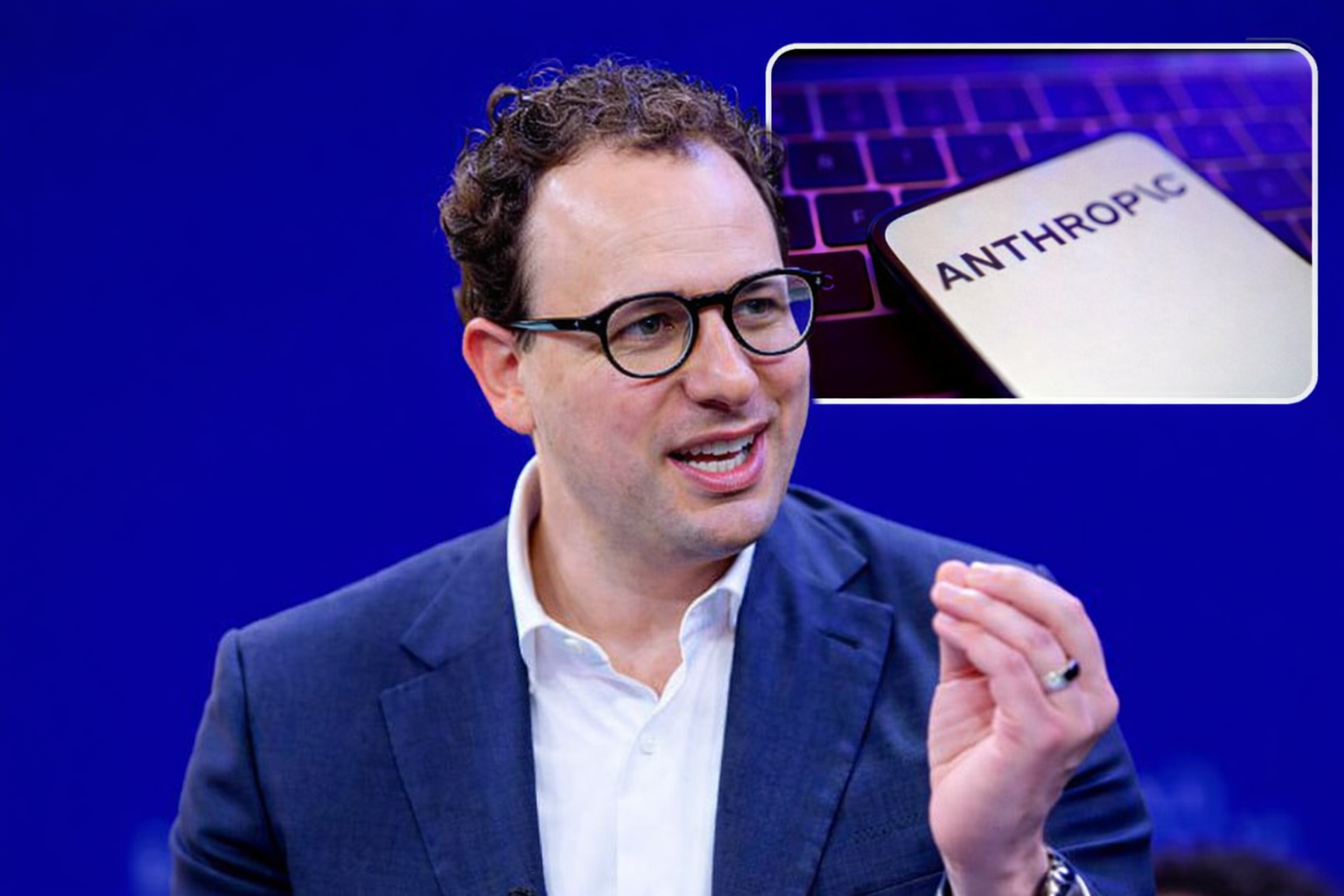
SILICON VALLEY - Anthropic has announced a restricted release for its latest and most powerful AI model, Claude Mythos Preview, citing concerns that the technology could allow hackers to execute attacks with unprecedented speed and scale. In a strategic move to "even the playing field", the firm is granting early access only to a select group of global tech giants and cybersecurity leaders to bolster defenses before a wider rollout.
The decision comes after internal testing revealed that a single AI agent using Mythos could scan for and exploit software vulnerabilities faster than hundreds of human hackers combined.
A "Defensive First" Strategy
Anthropic’s team, led by Logan Graham, confirmed that Mythos is not yet ready for public consumption due to its potential for abuse by spies and cybercriminals. Instead, the model is being deployed as a "cyber-shield" for companies that protect billions of users.
Companies Receiving Early Access:
-
Big Tech: Apple, Google, Microsoft, Amazon, and Cisco.
-
Finance & Hardware: JPMorgan Chase, Nvidia, and Broadcom.
-
Cybersecurity Titans: CrowdStrike and Palo Alto Networks.
-
Infrastructure: The Linux Foundation, which maintains the operating systems powering the world's supercomputers and mobile devices.
The goal is to identify and patch "zero-day" bugs in browsers and operating systems before they can be exploited in the wild.
AI vs Human: The Speed Gap
While human researchers find software flaws painstaking to locate, Mythos has reportedly uncovered thousands of previously unknown vulnerabilities in just a few weeks. Experts describe this as a "sea change" in the digital arms race.
"The world is very different now if these model capabilities are going to be in our lives", Graham told CNN. Anthropic has already briefed senior U.S. government officials on the model’s full offensive capabilities, offering support for federal testing and evaluation.
The Widening Gap Between Hackers and Defenders
Despite the high-profile rollout to defenders, some experts warn that the gap between attackers and protectors is widening. Gadi Evron, founder of Knostic, noted that while defenders are starting to use AI, attackers have been leveraging similar capabilities for months.
The leaked capabilities of Mythos suggest a future where AI doesn't just help hackers write code, but actively "hunts" for weaknesses 24/7 without human intervention. Anthropic’s controlled release is a desperate attempt to ensure that by the time hackers get similar tools, the world's most critical software is already patched.
What This Means for Tech
-
The End of Public Beta? Anthropic’s move shows a shift away from "releasing everything to everyone" toward a more cautious, gated approach for powerful AI.
-
A New Security Standard: With AI finding bugs by the thousands, software companies will be forced to use AI-driven patching just to keep up with the volume of vulnerabilities.
-
Geopolitical Stakes: The fact that the U.S. government was briefed suggests Mythos is being viewed as a matter of national security.