NAIROBI — Marking a historic shift in France’s geopolitical and economic strategy, President Emmanuel Macron has delivered an impassioned defense of Afro-European integration. Speaking at the Africa Forward Summit at the Kenyatta International Convention Centre (KICC) in Nairobi, Kenya, Macron told global delegates, civil society leaders, and international business titans that the future prosperity of France is permanently and indissolubly linked to the developmental trajectory of the African continent.
The high-profile bilateral summit, co-hosted by Kenyan President William Ruto and President Macron, brought together heads of state and top diplomatic officials from more than 30 countries. The gathering represented France’s first major multilateral Africa summit hosted within an English-speaking African nation. The choice of venue signals a deliberate, strategic pivot away from France's traditional, exclusive focus on Francophone West Africa toward broader, pan-African partnerships established on what Macron described as a framework of "equal footing, mutual respect, and shared economic resilience."
The Demographic Reality: Diaspora as an Economic and Cultural Bridge
Addressing the assembly, President Macron challenged the isolationist and anti-immigration rhetoric gaining significant traction across various domestic European political movements. Instead, the French leader presented mass migration and historical demographic shifts not as a structural burden, but as an invaluable cultural asset and a permanent socioeconomic reality that bridges the two regions.
"I have no regrets," President Macron stated confidently, reflecting on his administration's long-term diplomatic engagement with the continent. "I have immense ambition for this continent that I love, which is a treasure for the world, the youngest and most dynamic continent on the planet. I want our young people in France to understand that their future is bound up in this continent. Africa will succeed, and we will succeed alongside it."
To substantiate his vision of a integrated future, Macron pointed directly to the sheer scale of the African diaspora currently residing within the French Republic. He noted that approximately 17 million French citizens possess direct ancestral roots, familial ties, or dual nationality connecting them to the African continent.
"So we are part of this continent; it is a great chance for us as French," Macron explained to the international audience. "There are millions of French people who are French-Malian, or French-Algerian, or French-Senegalese. We have this great chance to be able to leverage these deep human connections to succeed directly alongside the African continent."
The Power of Remittances: Exceeding Foreign State Aid
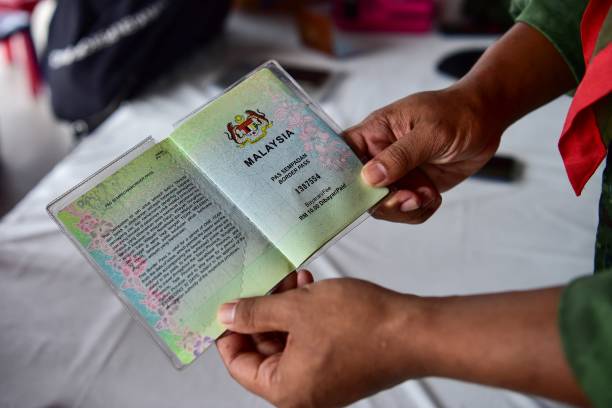
In an unusually candid economic assessment during the summit's plenary sessions, President Macron highlighted the mechanics of global capital flows, emphasizing that personal remittances sent home by the global African diaspora constitute the single largest source of financial inflow into many African economies.
Rather than viewing the outflow of capital from Western economies as a negative drain, Macron celebrated the hard work of migrant communities and acknowledged that these private, grassroots financial transfers are far more efficient and economically impactful than traditional, bureaucratic foreign aid packages distributed by Western governments.
"First, we need to be realistic about the main source of financial flows towards African countries: remittances from the African diaspora," Macron stated. "They come from all those who have emigrated, who are working hard in many countries to send money back to their families. These private flows systematically exceed the official development assistance provided by foreign governments."
By framing remittances as a vital, stabilizing pillar of sub-Saharan macroeconomic health, the French President argued that ensuring safe, affordable, and legal channels for diaspora financial transfers is essential for preventing regional economic stagnation and supporting local enterprise.
Navigating the Contradictions of Europe's Migration Debate
While Macron used the Nairobi platform to paint a progressive picture of multicultural cooperation and shared economic growth, his remarks land in the middle of a fiercely contested immigration debate back home in Europe. Statistical data shows that roughly 11 percent of the current French population is foreign-born. Domestic critics and right-leaning political analysts frequently point to this influx to argue that rapid, unintegrated demographic expansion strains public welfare systems, complicates labor market dynamics, and creates complex integration challenges within urban centers.
Furthermore, economic analysts note that Europe is currently navigating a period of growth deceleration and structural stagnation. Opponents of mass migration argue that the continuous influx of low-skilled labor does not provide immediate relief for high-tech labor pools, pointing instead to rising youth unemployment rates across the Eurozone as a sign of economic mismatch.
Despite these intense domestic pressures and shifting political tides within the European Union, Macron's declarations in Nairobi firmly reinforce his administration's long-term geopolitical objective. By positioning France as Africa's primary partner in climate-aligned infrastructure, digital transformation, and port modernization, the French leader is gambling that the long-term rewards of capturing Africa's massive youth demographic dividend will far outweigh the short-term political friction at home.