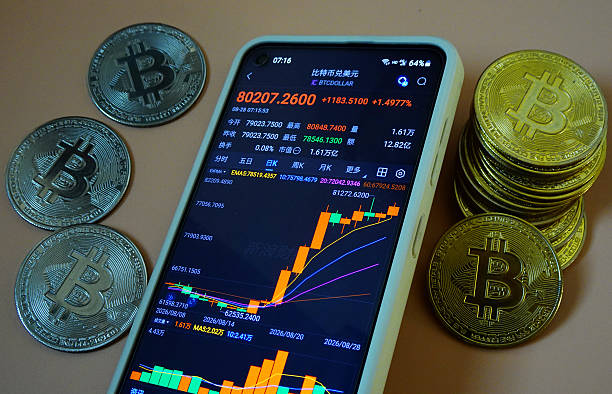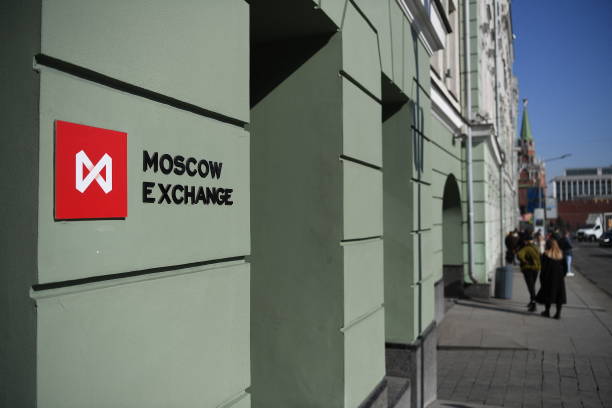
Russia’s Moscow Exchange plans to launch direct cryptocurrency trading on December 1, opening a regulated market for major digital assets including Bitcoin, Ethereum and Tether’s USDT.
The exchange is already testing cryptocurrency transactions with professional market participants ahead of the planned launch, according to Boris Blokhin, Moscow Exchange’s senior managing director for sales and business development. He said testing began about a week before his comments at the Sber Investments forum in Moscow.
Bitcoin, Ethereum and USDT to Be Available to Retail Investors
Under Russia’s new cryptocurrency regulatory framework, investors who do not qualify as professional or qualified investors will initially be permitted to purchase Bitcoin, Ethereum and Tether’s USDT.
However, access for ordinary investors will be subject to an annual limit of 300,000 Russian rubles through each intermediary. Investors will also have to complete mandatory testing before gaining access to cryptocurrency transactions.
Qualified investors will have broader access to cryptocurrencies traded through the exchange and over-the-counter markets, without the same annual investment limit.
The restrictions reflect Russia’s approach of allowing regulated cryptocurrency investment while imposing additional safeguards on less experienced investors.
Launch Will Use Existing Exchange Infrastructure
Moscow Exchange does not expect to require an additional licence or permit to introduce the cryptocurrency trading service.
Instead, the exchange will operate within the framework created by Russia’s new digital-currency legislation, which came into force on September 1, 2026.
The legislation allows existing financial-market institutions, including exchanges, brokers and trust managers, to facilitate cryptocurrency transactions. A partner digital depository will be used to handle settlement and record customers’ digital-asset holdings.
The planned service would represent a significant expansion of Moscow Exchange’s involvement in digital assets.
Move Goes Beyond Crypto Derivatives
Moscow Exchange already offers cryptocurrency-linked derivatives, but those products do not give investors ownership of the underlying digital assets.
In September, the exchange introduced perpetual futures linked to Bitcoin, Ethereum, Solana, XRP and Tron. Those contracts are available to qualified investors and are settled in Russian rubles.
Direct cryptocurrency trading would be different because eligible investors would be able to acquire the underlying assets through regulated infrastructure rather than simply speculate on their prices through derivatives.
The exchange has reportedly recorded substantial activity in its cryptocurrency derivatives market, with more than 72,000 qualified investors participating and cumulative turnover exceeding 600 billion rubles by September.
Russia Expands Its Regulated Crypto Market
The Moscow Exchange launch comes as Russia establishes a more formal framework for cryptocurrency trading.
The new rules provide a legal structure for exchanges, brokers, digital-asset intermediaries and digital depositories to participate in the cryptocurrency market.
At the same time, Russia continues to distinguish between cryptocurrency as an investment asset and cryptocurrency as a means of domestic payment.
The new framework therefore allows greater access to digital assets through regulated financial infrastructure without simply treating cryptocurrencies as a replacement for the Russian ruble.
What the December Launch Means
If the December 1 launch proceeds as planned, Moscow Exchange will become an important regulated gateway for cryptocurrency trading in Russia.
For retail investors, Bitcoin, Ethereum and USDT will provide the initial permitted assets, although the 300,000-ruble annual limit will restrict the amount ordinary investors can purchase through a single intermediary.
For qualified investors, the market will offer broader access to cryptocurrencies.
The move also marks another step in the integration of digital assets into Russia’s established financial system. Rather than relying exclusively on offshore exchanges and other cryptocurrency platforms, investors will increasingly have access to digital assets through domestic financial-market infrastructure.
Moscow Exchange said testing with professional participants is continuing ahead of the planned December launch.