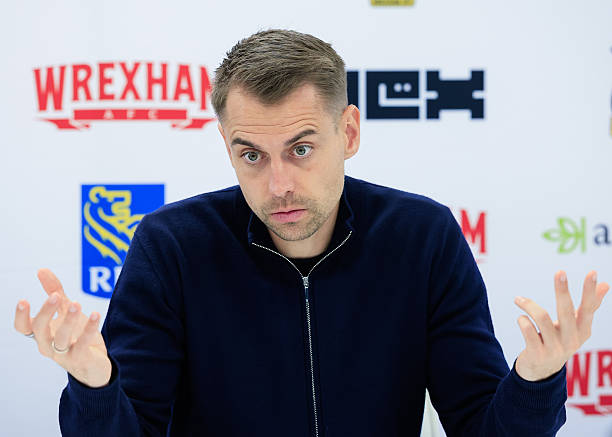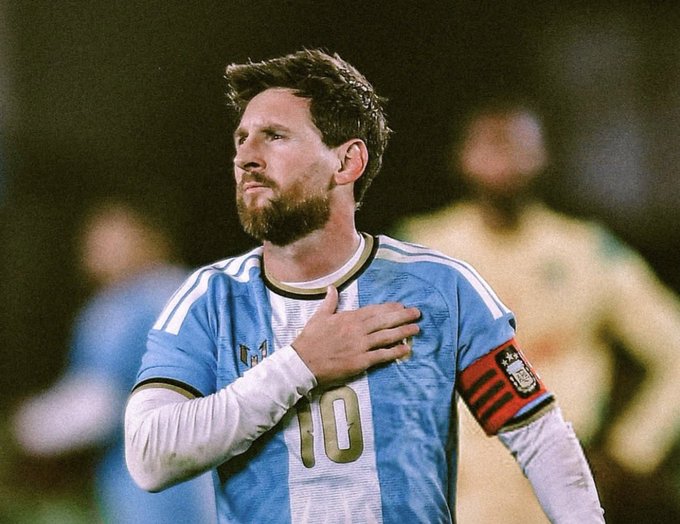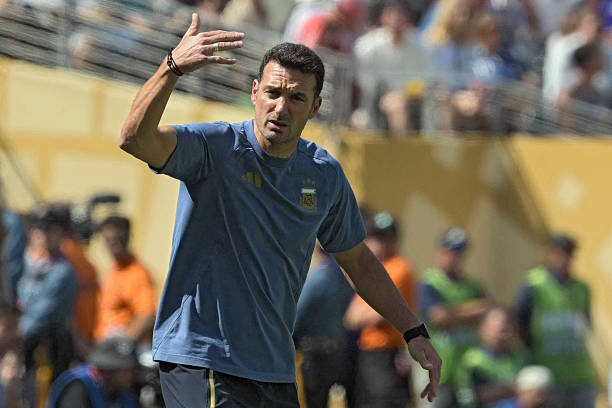
NEW YORK — Following a grueling and highly tactical encounter at the MetLife Stadium, Argentina national team coach Lionel Scaloni offered a graceful and deeply reflective analysis of his side's narrow 1-0 extra-time defeat to Spain in the FIFA World Cup 2026 final. Addressing the global press corps in East Rutherford, New Jersey, the 48 year old tactician chose not to dwell on refereeing controversies or tactical regrets, openly admitting that the newly crowned European champions were the superior collective on the night.
The high stakes fixture was decided deep into the second period of extra time when Spanish substitute Ferran Torres capitalized on a numerical advantage, breaking the deadlock against a resilient ten-man Argentinian defensive block.
The defeat shattered La Albiceleste’s ambitions of becoming the first nation in 64 years to retain the global crown a historic milestone last achieved by the legendary Pelé-led Brazilian squad of 1962. Despite the profound sporting disappointment, Scaloni emphasized the broader societal and structural significance of Argentina's extended run at the tournament, calling for a collective appreciation of what the squad achieved across the North American campaign.
The Admission of Superiority: Analyzing the Structural Deficit
In the immediate aftermath of a World Cup final defeat, managerial rhetoric often shifts toward defensive justifications or focusing on marginal officiating errors. However, Scaloni chose absolute transparency, acknowledging that Luis de la Fuente's Spanish side managed the tempo and positional spaces with greater efficiency over the course of the 120-minute battle.
Spain's structured, high-volume passing system combined with dynamic wing play presented unique challenges for the defending champions, especially after midfielder Enzo Fernández received a red card during second-half stoppage time.
Reflecting on the balance of play, Scaloni provided a direct assessment of the match dynamics:
"They were the better side that's the truth—but I'll cherish the memory of them, of what my players achieved, and of the immense value of making it this far in a tournament of this magnitude. We have to place immense value on this achievement because reaching consecutive finals takes an extraordinary amount of physical, mental, and tactical effort from everyone involved."
The tactical landscape of the final was shaped by Spain's control of central areas, forcing Argentina into a deep defensive low-block. While the veteran center-back partnership of Nicolás Otamendi and the defensive coverage of the midfield protected goalkeeper Emiliano Martínez for long stretches, the mounting pressure eventually took its toll. Scaloni noted that acknowledging the opponent's strong performance is an essential component of professional growth for a squad undergoing a generational transition.
Defining Graciousness: A Philosophy of Sportsmanship in Defeat
A central theme of Scaloni’s post-match address was the concept of institutional integrity. Having guided Argentina through an incredibly successful cycle that yielded the 2021 Copa América, the 2022 World Cup in Qatar, and the 2024 Copa América, the manager stressed that a true sporting culture is defined by how a group carries itself during moments of absolute disappointment.
Scaloni emphasized that the squad's public character must remain consistent regardless of the match outcome:
"We are gracious in victory, and we must be gracious in defeat. Today, we are showing that we know how to lose with dignity. We lost a highly competitive match, and we accept the final scoreline completely, but that doesn't mean we stop living or forget everything we did to get here. The foundation we have built remains intact."
The manager’s words carried significant weight for a nation where international football results are deeply tied to the public mood. By framing the loss not as a failure, but as a hard-fought competitive outcome, Scaloni aimed to provide perspective for both his players and the millions of supporters watching worldwide. He reinforced the idea that giving maximum effort on the pitch sets a vital example that transcends the final scoreboard.
Gratitude to the Supporters and the Path Forward
Throughout the multi-week campaign across Canada, Mexico, and the United States, the Argentinian national team was supported by massive, passionate crowds that turned stadiums into sea of light blue and white. Scaloni used the media platform to express his appreciation for this unwavering backing, recognizing the economic and emotional investments made by the fans.
Looking ahead to the upcoming international cycles and the inevitable squad rebuilding process, Scaloni maintained a forward-looking perspective:
"To the people, my players, and the country, I want to say that we gave absolutely everything we had to offer. We arrived here facing a realistic situation, but if the players leave everything on the pitch, as they did today, it sets a great example for our people and our country. We have to pick ourselves up again; there is no other way to approach the future of this program."
The manager explicitly stated that securing the runners-up spot at a modern World Cup requires monumental effort and deserves immense respect from the global soccer community. While the immediate feeling within the locker room is one of deep sadness, Scaloni expressed a profound sense of gratitude for the dedication shown by his veterans and younger prospects alike. He noted that when a team leaves everything on the pitch, it becomes very difficult to find fault with the collective effort.
Tactical Evolution and the End of a Historic Cycle
For digital sports journalists and corporate analysts covering the sport under elite content guidelines, Scaloni’s comments mark the formal conclusion of one of the most dominant periods of international consistency in modern football history. The task of maintaining a championship-level edge across multiple major tournaments puts immense strain on a squad's tactical and physical reserves.
As Argentina prepares for the post-2026 transition phase, the coaching staff faces the challenge of integrating a new generation of talents into the tactical framework established during the Scaloni era. The lessons learned during this demanding final against Spain's highly structured system will serve as a vital blueprint for the technical staff as they re-evaluate their pressing triggers, squad depth, and transition phases ahead of the next competitive cycle. Scaloni's calm and dignified stance in Miami ensures that La Albiceleste departs the global stage with their professional reputation firmly enhanced.