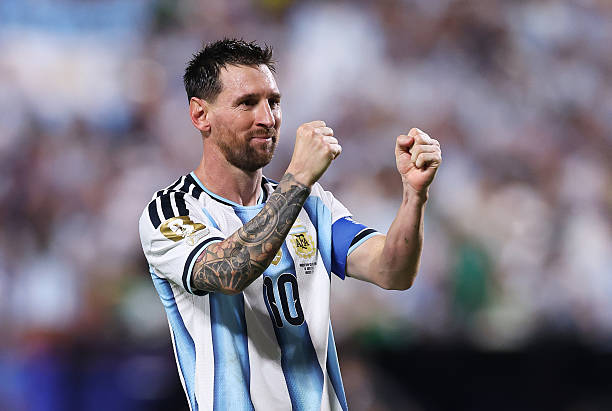
DALLAS — In the shimmering heat of a Texas summer, the narrative of football’s greatest-ever player reached its final, most definitive crescendo. On Monday, June 22, 2026, at the Dallas Stadium, Lionel Messi did more than just secure a victory for Argentina; he claimed his place as the undisputed titan of the FIFA World Cup. By netting a clinical brace in a 2–0 win over Austria, the 38-year-old icon surpassed German legend Miroslav Klose to become the highest goalscorer in the history of the tournament, a record that has stood as the ultimate benchmark for over a decade.
A Moment of Resilience: From Penalty Agony to Historic Ecstasy
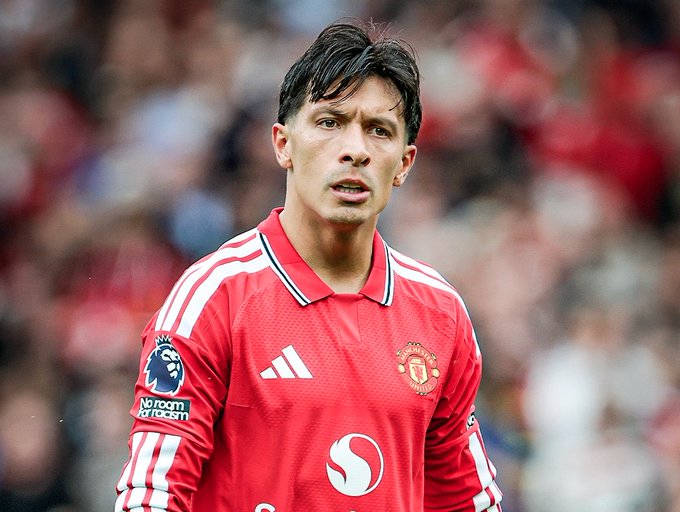
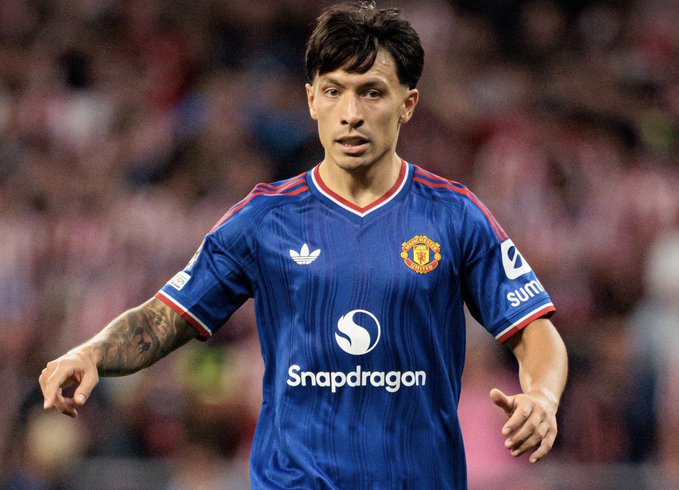
The evening began with a sequence that threatened to derail the momentum of a champion. When Argentina was awarded a fourth-minute penalty following a VAR-confirmed foul on Lisandro Martínez, the stadium braced for an inevitable celebration. Messi, stepping up to the spot with his characteristic focus, saw his effort dragged wide—a rare, uncharacteristic lapse that silenced the crowd.
However, the mark of true greatness is not the absence of failure, but the swiftness of recovery. Instead of allowing the miss to haunt his performance, Messi turned the frustration into a driving force. His response was a masterclass in composure, illustrating exactly why he has remained the center of the footballing universe for two decades.
In the first half, as Austria looked to exploit Argentina’s rattled nerves, Messi delivered the breakthrough. Latching onto a precise, low cross from Facundo Medina, Messi side-footed the ball into the net. With that strike, he reached his 17th goal in FIFA World Cup finals, formally surpassing Miroslav Klose’s long-standing record of 16. It was a goal born of movement, anticipation, and the lethal accuracy that has defined his career since he first graced the tournament stage in 2006.
An Unstoppable Streak of Brilliance
Messi’s historic ascent was not an isolated incident; it was the culmination of a streak that has defied the constraints of age. As the match against Austria entered the frantic final minutes of stoppage time, Messi refused to coast. With Austria desperately pushing for an equalizer, the Argentine captain broke forward during a goalmouth scramble and fired home his second of the evening.
This 18th goal pushed the record further into the distance and extended his incredible scoring run: Messi has now found the back of the net in six consecutive World Cup matches, a feat of sustained elite performance that speaks to his unparalleled fitness and tactical intelligence.
This achievement serves as a capstone to a tournament that began with pure dominance. Just days earlier, in the Kansas City opener against Algeria, Messi had announced his intent by netting a hat-trick—an performance that tied him with Klose’s tally and signaled that the records were not just in his sights; they were already being rewritten.
Read Also: Messi Makes History as Argentina Seals Knockout Spot Against Austria
The Next Frontier: Chasing the Assist Crown
While his name is now etched at the top of the goalscoring charts, Messi’s influence on the game remains holistic. He is not merely a finisher; he is the primary architect of Argentina’s attack. As he prepares to celebrate his 39th birthday on June 24, he finds himself on the precipice of yet another historic milestone.
Messi is currently tied with the legendary Diego Maradona with eight World Cup assists. He is now just one decisive pass away from claiming the all-time record for assists in the history of the tournament. The synergy between his scoring dominance and his creative vision underscores a player who has evolved through every phase of his career, remaining the most dangerous offensive player on the planet despite the relentless evolution of tactical defending.
The Road to a Possible Dynasty
The 2-0 victory over Austria is more than a statistical footnote—it is the engine of Argentina’s progress. The result officially propelled the defending champions into the Round of 32 with a perfect group stage record, carrying the momentum of nine consecutive international victories into the knockout phase.
Under Lionel Scaloni’s stewardship, this Argentine team has demonstrated a rare ability to weather the storm of high-pressure tournament play. Whether they are protecting a lead or fighting through a physical contest as they did against the disciplined Austrian backline, the team’s unwavering belief in their captain remains their greatest asset.
As the tournament moves toward the business end, the football world stands at a crossroads of history. The question is no longer whether Messi is the greatest to have played the game—that debate has largely been silenced by his longevity and statistical dominance. The new question is how far this version of Argentina can go.
For a player who has conquered every challenge the sport has to offer, the 2026 World Cup represents the ultimate stage. With the scoring record now firmly in his possession and the assist record within his grasp, Messi is not just defending a crown; he is redefining what is possible in a career that has spanned five presidential cycles, countless tactical shifts, and billions of adoring fans. As Argentina marches into the knockout stages, the world watches, not just to see if they win, but to witness the final, brilliant chapters of a legend who refuses to stop writing his own history.