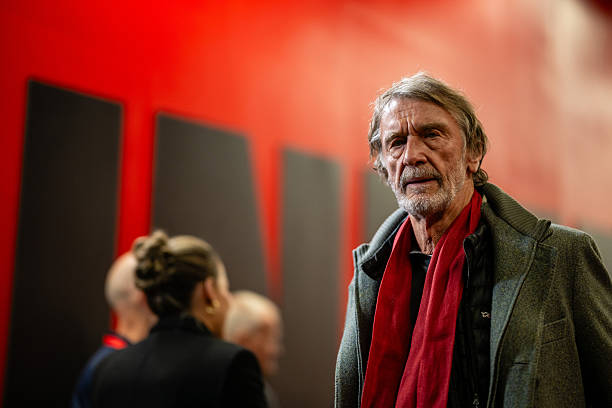
Manchester United co-owner Sir Jim Ratcliffe says he has lost confidence in the United Kingdom, arguing that high taxes, immigration and political inaction are contributing to the country's decline.
Manchester United co-owner and INEOS founder Sir Jim Ratcliffe has said he has “lost confidence” in the United Kingdom, describing the country as being “on the slide” and criticising what he sees as failures over taxation, immigration, welfare and energy policy.
Ratcliffe made the comments in a recent interview with the BBC while discussing Britain's economic direction and the reasons he has remained outside the country. The billionaire businessman, who has been a tax resident in Monaco since 2020, said he would consider returning to Britain if he saw evidence that politicians were prepared to make difficult decisions in the country's interests.
The remarks have drawn attention because of Ratcliffe's position as one of Britain's wealthiest businessmen and his prominent role in Manchester United, where INEOS owns a significant stake and has sporting control of the club.
Ratcliffe says Britain is “on the slide”
Reflecting on Britain's position, Ratcliffe said the country had previously been a major global power but argued that its current trajectory was concerning.
He said Britain had once been “a fantastic place” but that he now found it difficult to see how the country could reverse its decline.
Ratcliffe said politicians needed to be prepared to address difficult issues rather than making decisions primarily for political or party interests.
According to the businessman, two of the issues requiring greater political attention are immigration and taxation.
He argued that Britain needs politicians who are prepared to take unpopular decisions when they believe those decisions are in the country's long-term interest.
His assessment is Ratcliffe's personal view of the country's economic and political situation rather than an established measure of Britain's overall performance.
High taxes among Ratcliffe's main concerns
Taxation was central to Ratcliffe's criticism.
He argued that Britain's tax environment is making the country less attractive to wealthy individuals and businesses and suggested that some high-net-worth residents are choosing to relocate because of the financial consequences of remaining in Britain.
“If you tax everybody to death, they’re all going to leave,” Ratcliffe said, according to reports of his interview.
He also criticised what he described as an increasingly negative attitude towards wealth creation.
Ratcliffe contrasted Britain's approach with the United States, arguing that American society tends to celebrate people who create substantial wealth.
“In America they applaud people who create wealth,” he said, while arguing that Britain has developed what he described as a negative attitude towards wealthy people.
His comments come amid wider discussion about the UK's tax system and the decisions of wealthy Britons to move abroad.
The Financial Times recently reported that a number of wealthy individuals have been considering or making moves away from Britain, citing concerns including taxation and uncertainty over future government policy.
However, the reasons individuals leave the UK vary, and Ratcliffe's explanation should not automatically be applied to every wealthy person who relocates.
Ratcliffe has lived in Monaco since 2020
Ratcliffe's criticism of Britain's tax environment also comes in the context of his own decision to leave the UK.
The INEOS founder became a tax resident in Monaco in 2020, where the personal tax environment is substantially different from that of the UK.
He has continued to maintain extensive business interests in Britain, including his involvement with Manchester United and INEOS operations.
Asked whether he intended to return to the UK, Ratcliffe indicated that he currently had no plans to do so.
He said conditions would have to improve before he would consider moving back.
His position has therefore created an unusual contrast: Ratcliffe remains deeply involved in British business while maintaining his residence outside the country.
Immigration also criticised
Immigration was another major issue raised by Ratcliffe.
He said immigration was “clearly one” of the issues politicians should address and criticised what he described as a lack of political willingness to deal with the subject.
He also linked immigration with wider concerns about Britain's welfare system and the government's ability to make difficult policy decisions.
Ratcliffe's comments follow controversy earlier this year over his description of Britain as having been “colonised by immigrants.” He subsequently apologised for causing offence, while maintaining his broader concerns about immigration.
The subject remains politically contentious in Britain, with different parties and groups disagreeing over the economic, social and public-service effects of immigration.
Ratcliffe's latest remarks therefore form part of a wider political debate rather than representing a consensus view.
He also criticised Britain's welfare system
Ratcliffe also identified welfare spending as another area where he believes significant changes are needed.
He said politicians should address what he sees as problems with the benefits system and suggested that reducing welfare spending could free resources for investment in technologies such as robotics and artificial intelligence.
He proposed cutting the benefits bill substantially and directing the savings towards technological investment.
Ratcliffe argued that AI and robotics are likely to have a major impact on how people work and live, but said he did not believe technological development would necessarily result in mass unemployment.
Instead, he suggested that Britain should position itself to benefit from those technologies.
He criticised the country for what he sees as falling behind in AI and robotics compared with some international competitors.
North Sea oil and gas another point of disagreement
Ratcliffe also used the interview to criticise Britain's energy policy.
The businessman argued that the country should make greater use of its domestic North Sea oil and gas resources and criticised the government's approach to proposed developments including the Rosebank and Jackdaw fields.
He described the failure to invest further in North Sea oil and gas as “insanity” and warned that Britain could face energy-supply problems during an exceptionally cold winter.
Ratcliffe argued that the country should not become unnecessarily dependent on imported energy when it still has domestic resources.
The UK government has rejected the suggestion that the country faces an imminent gas-supply crisis.
A government spokesperson said Britain has a diverse energy mix and that the government remains confident about energy security. The government has also said it is focused on economic growth while pursuing its longer-term transition towards cleaner domestic energy.
Ratcliffe wants more political action
At the heart of Ratcliffe's criticism is his belief that British politicians have been unwilling to make sufficiently difficult decisions.
He argued that politicians should focus on policies that benefit the country over the long term rather than decisions designed primarily around electoral or party considerations.
He said Britain needs political leaders who are prepared to address difficult questions surrounding taxation, immigration, welfare and energy.
The businessman also expressed concerns about Britain's approach to wealth creation, arguing that policies should encourage entrepreneurs and investors to remain in the country.
His remarks reflect a broader debate over how governments balance taxation, public spending, economic competitiveness and social policy.
Manchester United connection
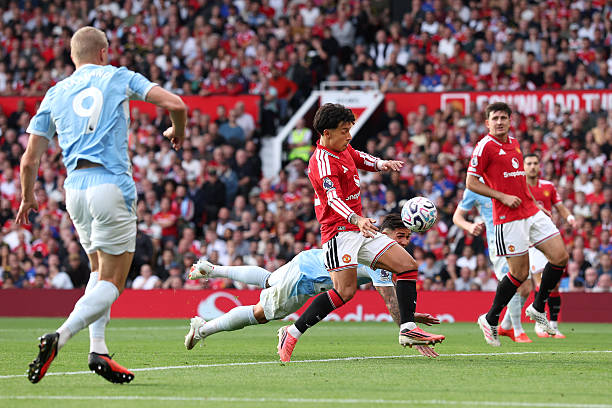
Ratcliffe's comments are also notable because of his prominent role at Manchester United.
INEOS completed the acquisition of a 25 per cent stake in Manchester United in 2024, with Ratcliffe and his company taking responsibility for the club's football operations.
His involvement has made him one of the most prominent British business figures in English football.
His ownership role has also attracted criticism from sections of Manchester United's fan base over issues including ticket prices, staffing changes and the club's wider cost-cutting programme.
Those disputes are separate from Ratcliffe's latest comments about Britain's economic and political direction, but his position at one of the country's most recognisable football institutions gives his public statements considerable attention.
No immediate return to Britain planned
Despite continuing to have major business interests in the UK, Ratcliffe said he does not currently intend to return to live there.
He indicated that a change in Britain's economic and political direction would be necessary before he would reconsider.
For Ratcliffe, the question of returning is therefore connected to whether he believes the country's tax environment, political leadership and economic prospects have improved.
His comments are likely to fuel further debate about Britain's competitiveness and whether government policy is encouraging or discouraging wealthy individuals and businesses from remaining in the country.
The UK government, meanwhile, maintains that it is focused on economic growth, investment and energy security.
Ratcliffe's assessment is consequently one side of a wider argument about Britain's economic future.
For now, the Manchester United co-owner remains based in Monaco while continuing to run INEOS and maintain significant business interests in Britain.