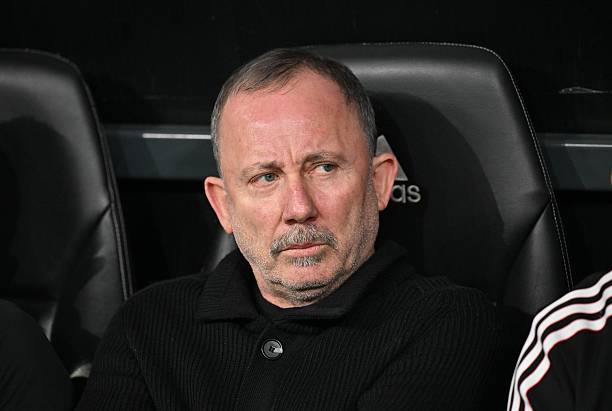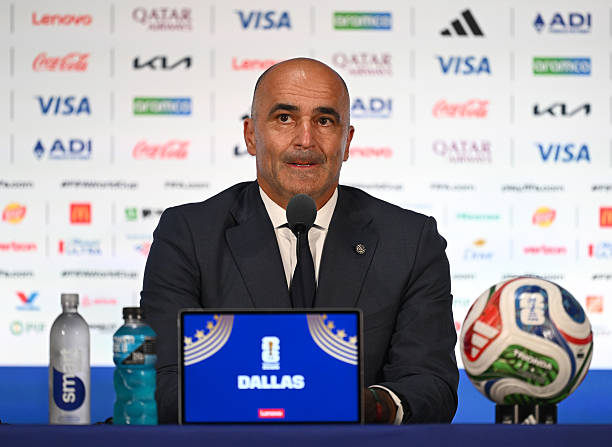
In the immediate aftermath of Portugal’s painful 1-0 exit from the 2026 FIFA World Cup, head coach Roberto Martínez has officially announced his resignation. The decision comes less than an hour after Spain’s late stoppage-time winner eliminated the Portuguese side in the Round of 16. Martínez, who guided the team to a triumphant UEFA Nations League victory just last summer, stated that his departure is immediate and that he has no intention of seeking a contract renewal.
The End of an Era
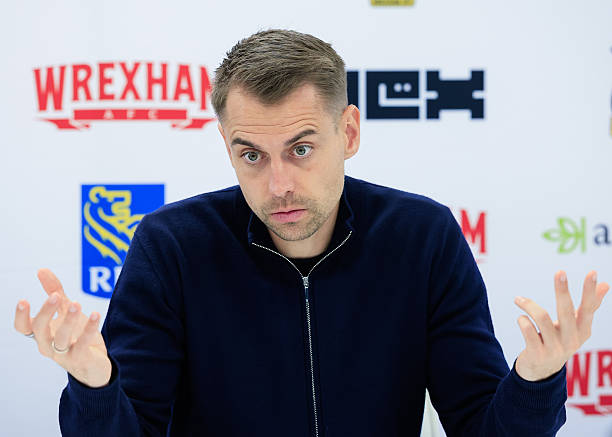
The announcement sent shockwaves through the Portuguese camp at the Cotton Bowl in Dallas. Addressing the media in his post-match press conference, the Spanish tactician was remarkably candid about the nature of his exit. "I came to Portugal to win the World Cup," Martínez stated. "I think that without achieving that goal, it doesn't make sense to continue. The board and the president deserve the opportunity to select the manager who will lead the team into the next cycle. My contract effectively ends today; there is not much more to say."
Martínez’s tenure, which began with high expectations following a successful stint at the helm of the Belgian national team, was a period of both significant high points and growing tactical scrutiny. While the Nations League title proved that his squad was capable of overcoming Europe’s elite on penalties, the World Cup exit has laid bare the mounting pressure and expectations placed upon a manager tasked with overseeing one of the most talented generations of Portuguese football.
A Legacy Under Scrutiny
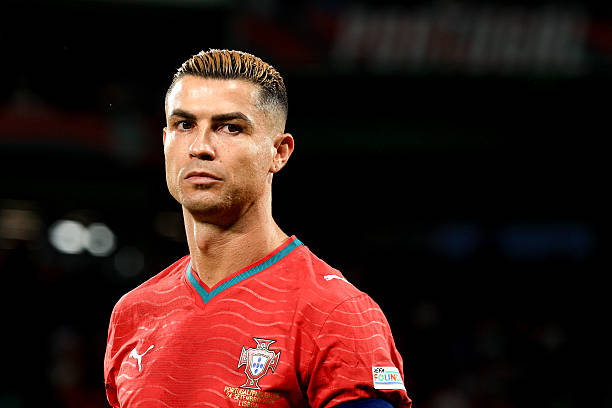
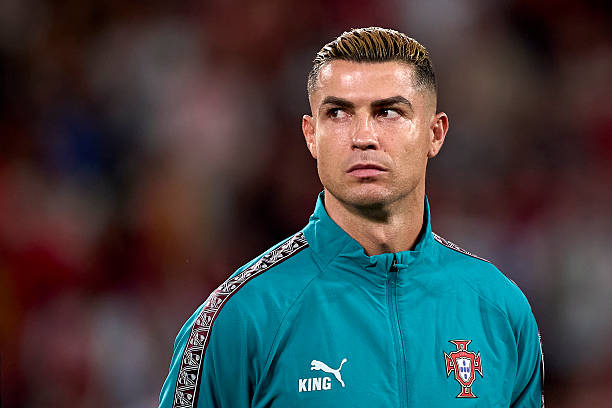
The defeat to Spain was not merely a loss; it was a match that highlighted the long-standing questions regarding Martínez’s tactical rigidity. Throughout the tournament, the manager faced intense media criticism for his continued reliance on Cristiano Ronaldo as the undisputed focal point of the attack. Despite being 41 years old and facing a physically demanding Spanish backline that had not conceded a goal in the entire tournament, Ronaldo remained on the pitch for the full 90 minutes.
Critics argued that Martínez’s failure to introduce more dynamic, youthful attacking options during the tight encounter—even as Portugal’s momentum waned—was a major factor in the defeat. When asked about his tactical approach, Martínez remained defiant, refusing to label the tournament a failure.
"We didn't fail," he insisted. "We lost a tight game against a pre-tournament favorite. We played face-to-face, we showed incredible talent, and we were inches away from taking the lead ourselves. In international football, at this level, it is all about the fine margins. Failing is when you don't try to win, and we fought until the very last second. My players were incredible, exemplary. That spirit is what makes you a winner."
Reflection and Gratitude
Despite the abrupt nature of his departure, Martínez’s final message to the Portuguese fans was one of gratitude. Having spent years attempting to balance the transition of an aging core of legends with a burgeoning group of elite young talents like Vitinha and Nuno Mendes, Martínez admitted that the weight of the job was significant.
"I hope Portugal’s fans can look back and remember everything that the coaching staff and I built together," he said. "We created a culture of winning, and we brought silverware back to the country. I leave with great pride in what these players have accomplished."
What Lies Ahead for the Seleção?
The resignation leaves the Portuguese Football Federation (FPF) with a massive task on their hands: identifying a successor capable of navigating the post-Ronaldo era. For years, the team has been built around the legendary forward’s output, and Martínez’s departure marks the likely commencement of a structural rebuild. The federation will need a manager who can balance the tactical evolution of the squad with the immense pressure to maintain Portugal’s status as a perennial contender for European and World titles.
As for Martínez, his future remains uncertain. Having managed two of Europe’s most high-profile national teams consecutively, his reputation remains that of a coach who can build stable, cohesive environments, even if questions linger regarding his adaptability in high-pressure knockout matches.
The Portuguese squad, meanwhile, will return home to face an introspective off-season. With a wealth of talent playing in the world’s biggest leagues, the consensus among observers is that the foundation is strong. Whether that foundation can support a new tactical philosophy—one less tethered to the names of the past—will be the defining question of the coming months. For now, the Martínez chapter in Lisbon has closed, and a new search for the soul of the Seleção has begun.