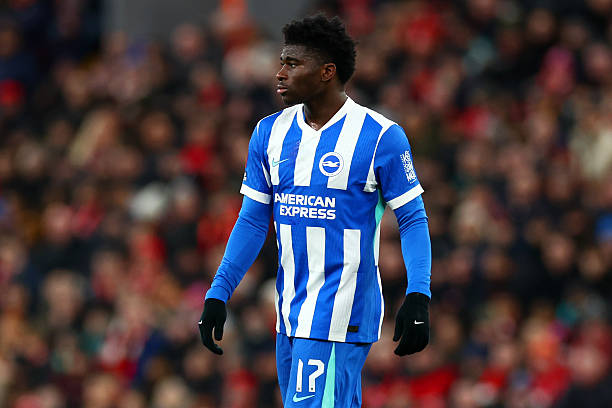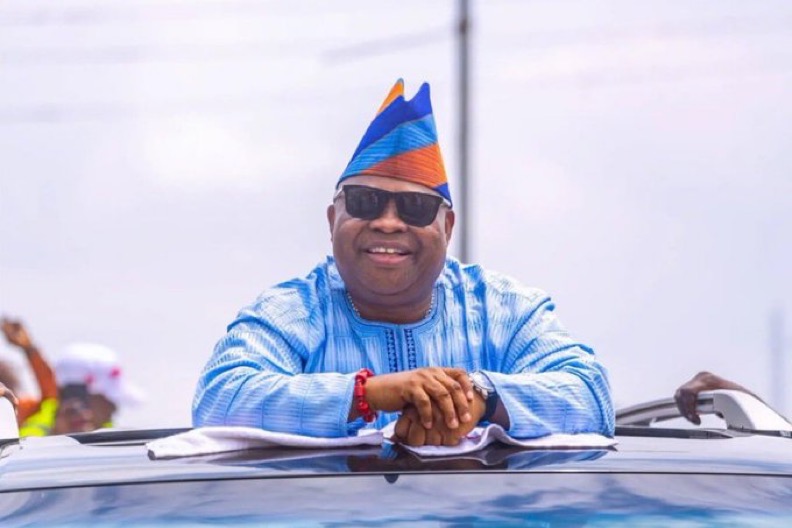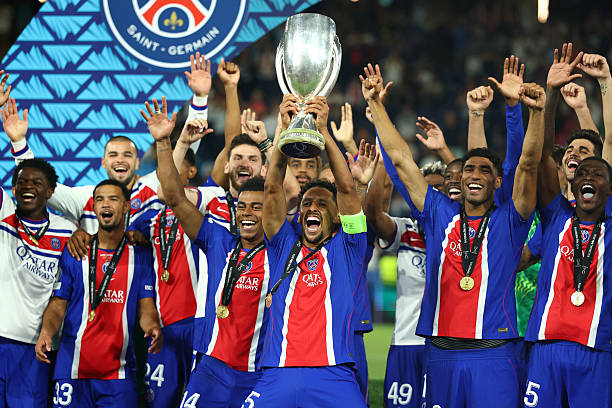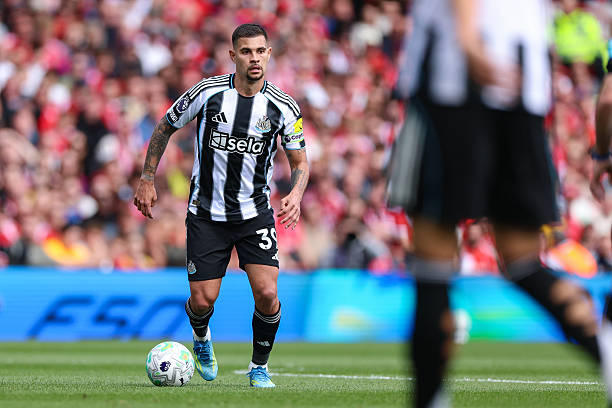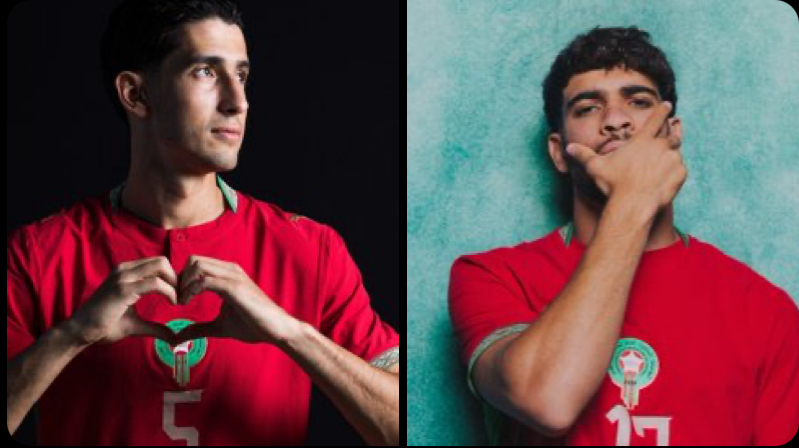
NEW JERSEY — On the eve of the 2026 FIFA World Cup, the Moroccan national team—the "Atlas Lions"—faced a significant tactical upheaval. Just days before their opening match against five-time world champions Brazil, the squad was forced into two injury-enforced roster changes, losing cornerstone players Nayef Aguerd and Abde Ezzalzouli (Ez Abde).
The Moroccan Football Federation, in coordination with FIFA, confirmed on June 11, 2026, that both Aguerd and Ezzalzouli had been ruled out of the tournament. The withdrawals were particularly painful given the status of both players as vital components of the team that famously reached the semi-finals of the 2022 World Cup and the Africa Cup of Nations final earlier this year.
Nayef Aguerd, the 30-year-old Olympique Marseille defender, had been racing against time to recover from a persistent groin injury that had sidelined him since early March. While he underwent surgery, his rehabilitation encountered a critical setback in April when medical assessments revealed a fracture of the pubic bone. Despite the staff’s exhaustive efforts to manage his fitness, it was ultimately deemed that he could not meet the physical demands required for the high-intensity nature of the World Cup.
Simultaneously, the team lost attacking threat Ez Abde to a freak injury. The 24-year-old Real Betis winger suffered a knee ligament injury during a warm-up friendly against Norway in Harrison, New Jersey, held on the weekend preceding the tournament. The injury occurred following a collision with teammate Chadi Riad. Despite his initial attempts to play through the discomfort, medical evaluations confirmed the severity of the damage, necessitating his withdrawal.
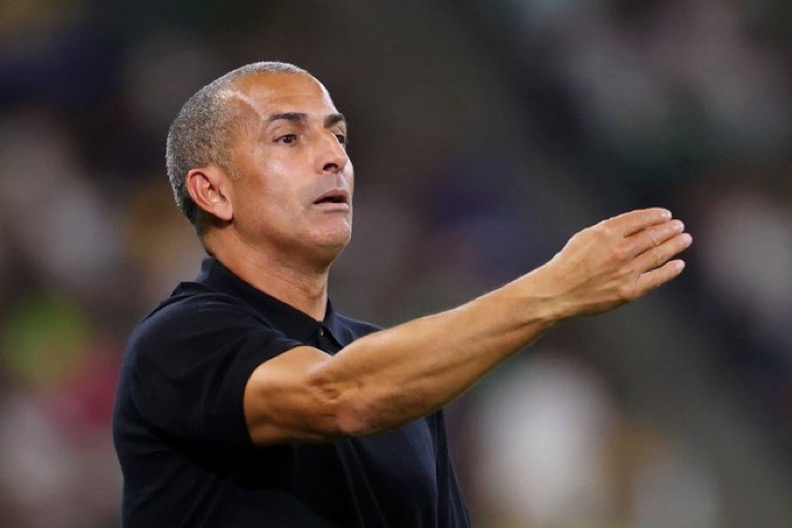
Head coach Mohamed Ouahbi acted with urgency to stabilize the squad, calling up two replacements who were already present with the team as standby players. Marwane Saâdane, a 34-year-old versatile defender currently playing in Saudi Arabia, brings a wealth of veteran experience to the camp. Having made his international debut in 2015, he provides tactical flexibility to a defensive line that had already been stretched by the retirement of long-serving captain Romain Saïss and the prior injury to Adam Masina. Alongside him, Amine Sbaï, the 25-year-old Angers winger who earned his first senior cap in a recent warm-up fixture against Burundi, was elevated to the final roster to provide depth on the left flank.
These personnel shifts created immediate tactical challenges for coach Ouahbi as the team prepared for a high-stakes group opener against Brazil at the New York/New Jersey Stadium. The match, which eventually concluded in a 1-1 draw on June 13, 2026, served as an early indicator of the team's resilience. The integration of Saâdane and Sbaï under such intense pressure underscored the depth of the Moroccan technical setup. With Brazil presenting a formidable challenge, the Atlas Lions had to quickly pivot from their planned tactical structure to integrate the new arrivals.
Despite the setback of losing two of their most experienced tournament performers, the squad remained focused on their broader objective: navigating a challenging Group C that includes Scotland and Haiti. For the new additions, the sudden elevation to the final roster represented a career-defining opportunity to showcase their value on the world’s most prestigious footballing stage. As the tournament progresses, the resilience of the Moroccan defensive structure—now bolstered by the veteran presence of Marwane Saâdane—remains a key storyline for fans following the team’s quest to replicate their historic success of previous years.