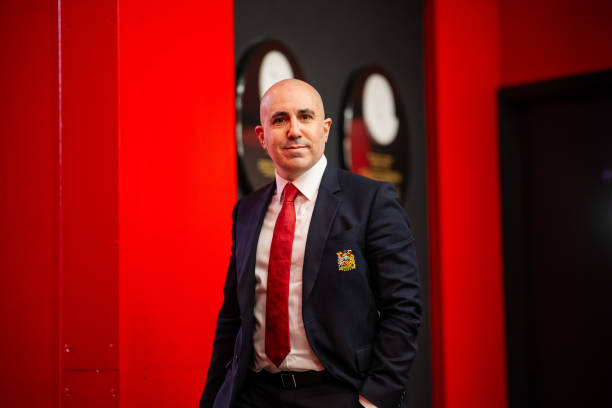
Manchester United have taken another major step towards the development of their proposed new 100,000-capacity stadium, with chief executive Omar Berrada confirming that the club has secured land forming part of the planned site.
Berrada identified the stadium project as one of the club’s main areas of focus while discussing Manchester United’s latest financial results. He confirmed that securing the land represented a significant milestone in the long-term plan to develop a new home for the club.
“Our other main area of focus is our plan to develop a new 100,000 seater stadium,” Berrada said. “We have now completed the major milestone of securing the land which will form part of the proposed location of the new stadium.”
The development is part of United’s wider plan to transform the area around Old Trafford and eventually build a new stadium that would become the largest sporting venue in the United Kingdom.
United secures 25-acre site
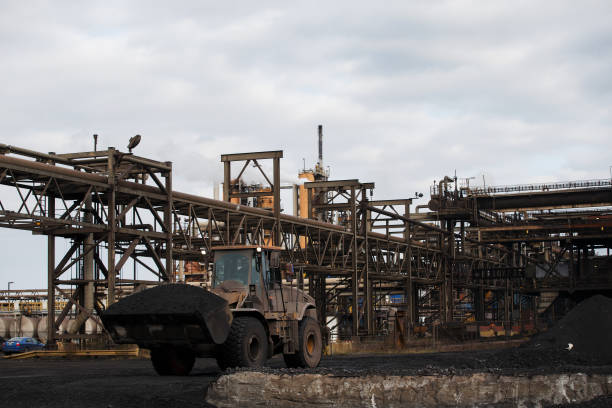
Manchester United announced in June that it had acquired a 25-acre site approximately 350 metres north-west of the existing Old Trafford.
The site was acquired from Indurent, a provider of industrial space owned by a Blackstone portfolio company. The club said the acquisition represented a major milestone in its long-term vision for the Old Trafford area.
The location is intended to form the centre of a new Stadium District within the wider Trafford Wharfside regeneration project.
United has been working with Trafford Council and other local authorities and organisations on how the proposed stadium can fit into the wider redevelopment of the area.
The club's official stadium plans describe the project as an ambition to build a world-class 100,000-seat venue designed for the club's future while remaining connected to its history.
New stadium would be built close to Old Trafford
The proposed stadium is not expected to take United away from the Old Trafford area.
Instead, the new ground is planned for land close to the current stadium, allowing the club to maintain its connection with the area that has been its home for more than a century.
The proposed location is around 350 metres from the existing Old Trafford, meaning the two stadium sites would be relatively close to one another.
This also provides United with the possibility of continuing to use Old Trafford while construction of the new stadium takes place.
Old Trafford has been Manchester United's home since 1910 and currently accommodates more than 74,000 supporters.
A new 100,000-seat stadium would therefore represent a substantial increase in capacity and would provide significantly more space for supporters, hospitality and other matchday facilities.
Project forms part of wider regeneration
The stadium proposal is not being treated as an isolated construction project.
Manchester United's plans form part of a much larger regeneration programme for the Old Trafford and Trafford Wharfside area.
The club has said the new stadium would sit at the heart of a proposed Stadium District designed around sport, entertainment and year-round activity.
The wider plans involve improvements to the surrounding infrastructure, transport connections and public spaces.
The proposed development is therefore expected to have implications beyond Manchester United itself, particularly for businesses and residents in the surrounding area.
The club has also been engaging with local authorities and businesses affected by the land acquisition as planning for the project continues.
Securing land does not mean construction has started
Although the land acquisition represents a major milestone, Manchester United still have several stages to complete before the stadium can become a reality.
Detailed planning, design, consultation and the necessary approvals remain part of the process.
The club has previously described the project as a long-term development rather than an immediate replacement for Old Trafford.
That means supporters should not interpret the latest announcement as confirmation that the existing stadium will soon close.
Old Trafford remains Manchester United's home while the proposed new stadium goes through its various development stages.
The club has continued to publish updates about the regeneration project, including its proposed location and the wider masterplan for the area.
United's financial position remains part of the project
Berrada's stadium update came as Manchester United reported record revenue of £677.6 million for the 2025/26 financial year.
However, the club also recorded a pre-tax loss of £43 million for the year, according to the latest financial results.
The figures underline the financial scale of running Manchester United while simultaneously pursuing a major infrastructure project.
The proposed stadium has previously been reported as a project costing around £2 billion.
United's leadership has repeatedly stressed the importance of financial discipline as the club works on its sporting and infrastructure plans.
For Berrada, the stadium remains one of the club's major long-term priorities alongside the development of the football operation and wider business.
A potential new era for Manchester United
The proposed 100,000-seat stadium would represent one of the most significant infrastructure projects in Manchester United's history.
The club has considered different options for the future of Old Trafford over the years, including redevelopment of the existing stadium.
The current plan instead focuses on constructing a new venue nearby.
If completed, the stadium would provide United with a significantly larger capacity and modern facilities while allowing the club to remain in the Old Trafford area.
The project's progress will now depend on the remaining planning and development stages.
For supporters, the securing of the land provides the clearest indication yet that the proposed stadium is moving beyond the conceptual stage.
Berrada's latest comments reinforce that the project remains firmly on the club's agenda, with the land milestone now completed and further work expected as United develops its plans for a new 100,000-seat home.