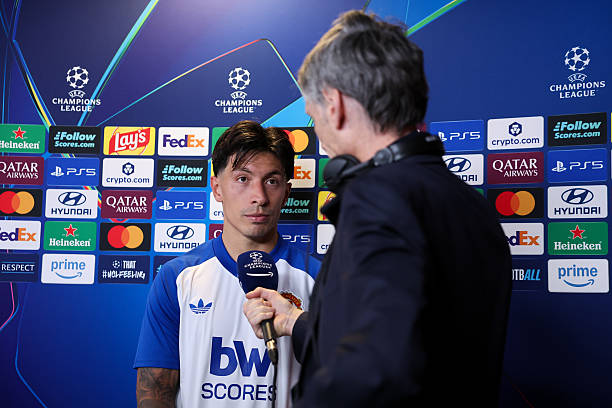
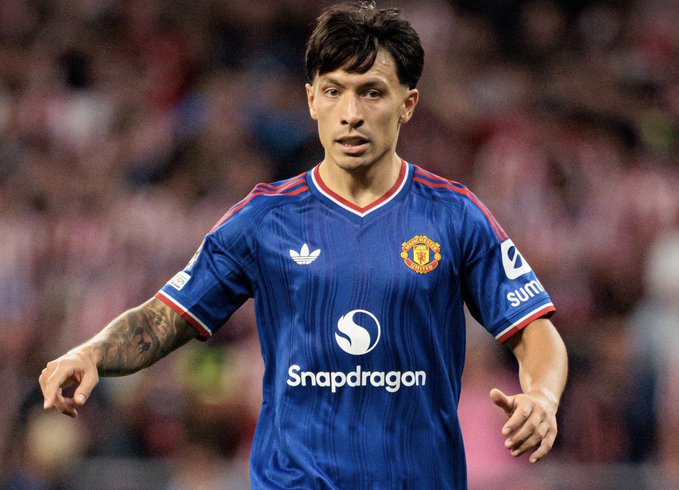
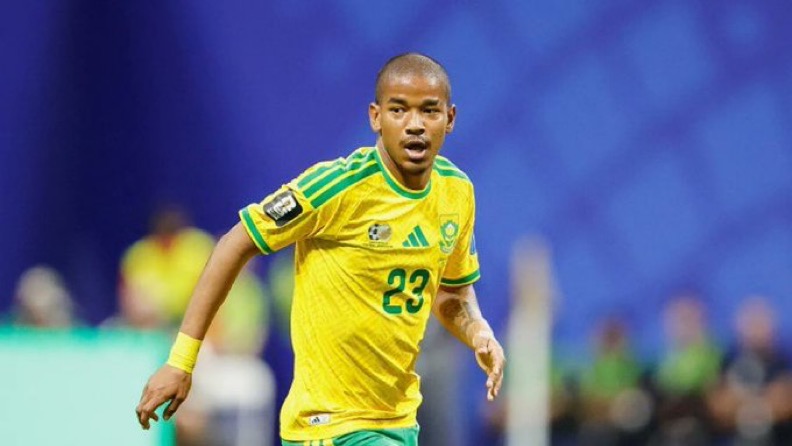
MANCHESTER, England — Manchester United have officially abandoned their pursuit of Atalanta midfielder Ederson. The proposed £38 million transfer, which had been widely expected to serve as the foundational piece of manager Michael Carrick’s midfield restructuring, has collapsed following the detection of a persistent injury concern during the player’s medical examinations.
The Breakdown of the Ederson Agreement
The deal, initially negotiated in early June, was hailed by many analysts as a masterstroke of efficient recruitment. The financial package was structured as £34 million in base fees with an additional £3.8 million in performance-related add-ons. For a Manchester United side desperate to re-establish dominance in the Premier League and secure a consistent foothold in the Champions League, Ederson was viewed as the ideal tactical fit—a player capable of providing both physical defensive stability and the technical range required for modern, high-intensity football.
However, the path to the finish line became complicated by the midfielder’s international commitments. Ederson, 27, was representing Brazil at the 2026 FIFA World Cup throughout June and early July. Consequently, the final stages of his medical assessment—the stage where United’s specialists perform in-depth diagnostics—had to be postponed until his return.
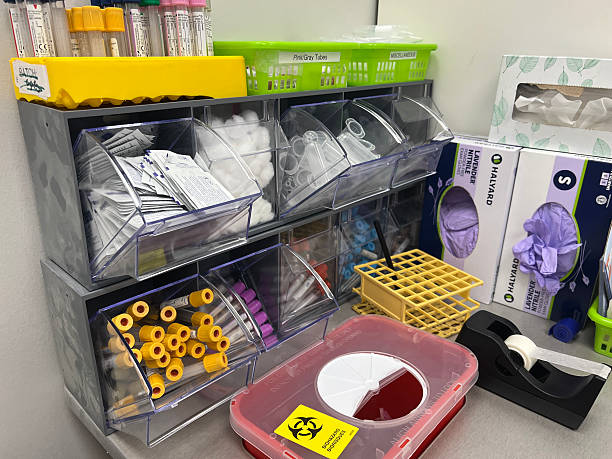
While preliminary screenings were completed while Ederson was in the Brazil camp, United’s medical department demanded a second, more comprehensive round of testing upon his arrival in England. It was during this final phase that the medical team raised significant red flags regarding a previous meniscus injury. In the modern era of high-stakes football, where squads are pushed to their physical limits, medical staff often prioritize long-term durability over immediate availability. The potential for a recurring knee issue led United’s hierarchy to take a rigid, risk-averse stance.
Atalanta’s Stance vs. United’s Caution
The collapse of the transfer has created a point of friction between the two clubs. Atalanta remains adamant that the player is 100% fit and ready to perform at the highest level. In a move to demonstrate their faith in the midfielder’s longevity, the Serie A side has reportedly offered Ederson a new, improved five-year contract to cement his future in Bergamo.
Conversely, Manchester United’s decision to terminate negotiations on Friday, July 10, marks a significant shift in their internal culture. In previous years, the club has faced heavy criticism for pushing through high-value transfers despite underlying physical red flags. By walking away from a deal that was "practically all sorted"—in the player’s own words—United has signaled a departure from a reactive recruitment strategy to one governed strictly by data and clinical safety.
Implications for Michael Carrick’s Midfield Rebuild
The sudden collapse of the Ederson deal presents a substantial tactical challenge for Michael Carrick. The departure of Casemiro left a vacuum in the defensive midfield role that Ederson was specifically scouted to fill. With the season approaching, Carrick and his recruitment team are now forced back to the drawing board under significant time pressure.
The failure of this transfer highlights the fragility of modern squad building, where a single scan can derail months of scouting and negotiation. Carrick’s vision for the team centers on a transition-heavy, ball-winning midfield, and the loss of the Brazilian star means the club must now pivot to secondary targets.
While the club has been linked with potential alternatives like Chelsea’s Andrey Santos and Roma’s Manu Koné, the reality remains that finding an immediate, like-for-like replacement of Ederson’s profile at this late stage of the window is a daunting prospect. The recruitment team must now weigh the risks of another high-value signing against the need for immediate impact.
Moving Forward: Lessons from a Failed Medical
For the Manchester United fanbase, this news is undoubtedly a source of frustration. However, from an operational standpoint, this is a calculated decision designed to protect the club from long-term financial liabilities. A player struggling with a chronic knee injury can often be a "sunken cost," occupying a high-wage slot in the squad while spending months in the medical room.
As Manchester United turns its attention to other targets, the Ederson saga serves as a reminder of the volatility of the transfer market. In professional football, no agreement is finalized until the ink is dry and the final medical report is signed. For now, the Red Devils must look to their internal pool of talent or scramble for viable alternatives, knowing that in their pursuit of excellence, they have chosen to prioritize the long-term health of their squad over the convenience of a completed deal.
The pressure on Carrick to deliver results remains, and the coming weeks will determine whether this decision to walk away was a stroke of strategic genius or a missed opportunity that leaves their midfield exposed for the upcoming campaign.