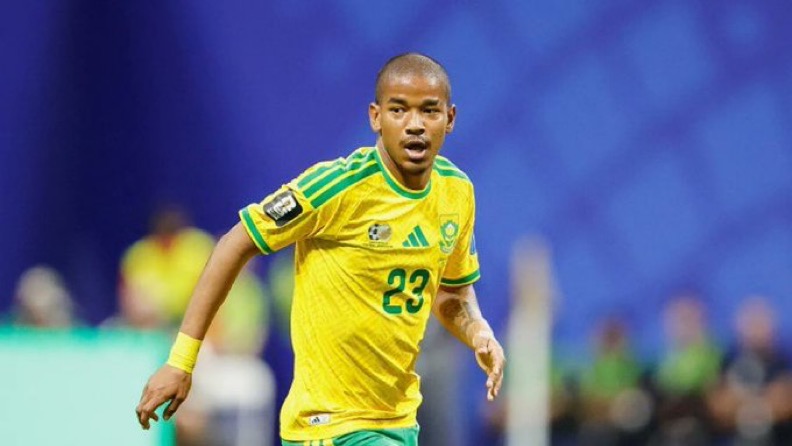
SANTA CLARA, California — In a moment that will undoubtedly be etched into the annals of national sporting history, Qatar achieved a landmark result on Saturday, June 13, 2026, earning their first-ever point at a FIFA World Cup finals. The hard-fought 1-1 draw against a formidable Switzerland side at the San Francisco Bay Area Stadium served as a testament to the tactical evolution of the Qatari national team under manager Julen Lopetegui. While the Swiss side dominated the statistical battle, the night belonged to the resilience of a Qatari squad that refused to be overcome by the pressure of the global stage.
A Test of Defensive Resolve
The opening Group B fixture presented a daunting challenge for Qatar. From the outset, Switzerland’s experience and technical fluidity were evident, as they utilized the width of the pitch to stretch the Qatari defensive lines. The early pressure bore fruit for the Swiss in the 17th minute when a probing run from Remo Freuler drew a foul from Qatari goalkeeper Mahmud Abunada inside the box. Breel Embolo, demonstrating the composure of a veteran marksman, stepped up to the spot and clinically converted the penalty, giving Switzerland an early 1-0 advantage.
For the remainder of the first half and much of the second, the match unfolded as a classic contest of attrition. Switzerland, seemingly confident in their narrow lead, continued to press, racking up a staggering 26 shots throughout the 90 minutes. However, the anticipated Swiss rout never materialized. Qatar’s defensive organization, led by the steadfast Mahmud Abunada, remained disciplined and unflappable. Abunada, who had conceded the early penalty, redeemed himself with a string of heroic reflex saves that denied the Swiss frontline time and again. Qatar’s ability to remain compact in their defensive third, combined with the tireless work rate of their midfield core, kept the deficit at a single goal, ensuring the match remained within reach as the clock ticked into the final stages.
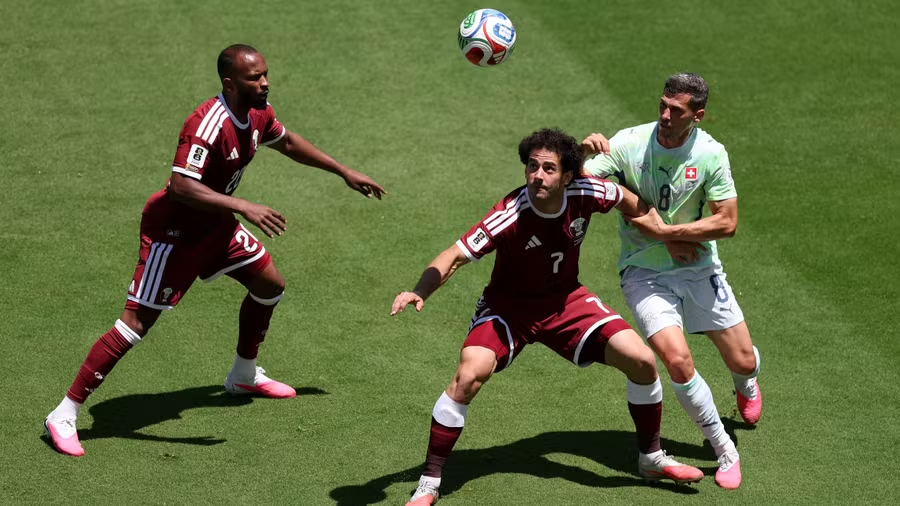
The Stoppage-Time Miracle
As the match entered injury time, the narrative appeared set. Switzerland, despite their inability to secure a second goal, seemed destined to walk away with a narrow victory. However, Julen Lopetegui’s side displayed the hallmark of a team that has embraced a "never-say-die" mentality. Qatar intensified their pressure in the dying moments, throwing numbers forward in a desperate search for the equalizer.
The persistence finally paid off in the 94th minute, an moment of pure euphoria for the travelling Qatari supporters. Following a precise delivery from teammate Homam Ahmed, Qatari captain Boualem Khoukhi rose highest at the back post. Out-jumping his marker, Khoukhi connected with the cross and directed a powerful header into the bottom corner of the net. The stadium erupted as the referee signaled for the goal, a reward for ninety-plus minutes of unwavering defensive effort and tactical patience. The final whistle shortly thereafter confirmed a 1-1 draw, a result that sent the Qatari bench into scenes of unbridled celebration.
Tactical Significance and Tournament Outlook
This result carries weight far beyond a single point on the group table. For a team that has faced questions regarding its competitive readiness at the highest level, the draw against Switzerland provides a significant morale boost. It establishes a foundation for the remainder of the Group B campaign, proving that Qatar can absorb sustained pressure from elite European opposition and deliver in the final moments of a contest.
With the group also featuring Canada and Bosnia and Herzegovina—who had played to their own 1-1 stalemate in the tournament opener—the draw against Switzerland keeps the group dynamic wide open. Every match in Group B now takes on a heightened level of intensity, as the four nations are separated by narrow margins.
For Qatar, the focus now shifts toward refining their attacking rhythm while maintaining the defensive stability that served them so well in Santa Clara. The performance of Boualem Khoukhi and the tactical adjustments implemented by Julen Lopetegui will be crucial as they move toward their next fixtures. This was not just a point gained; it was a psychological milestone for Qatar football, signaling to the world that they have arrived as a competitive force in the 2026 FIFA World Cup. As the tournament continues, the "Santa Clara Miracle" will stand as a reminder that in World Cup football, a team’s resilience is just as vital as its technical skill, and that the history of the sport is often written in the final minutes of a game.