FIFA has canceled World Cup 2026 tickets issued to approximately 60 fans who received them at no charge ($0 USD) due to a technical error on its official website. The glitch occurred during the checkout process on May 21, causing valid ticket confirmations to be generated without payment being processed. For the affected fans, the initial excitement of securing a "free" seat quickly turned into a bureaucratic struggle as they were forced to rectify a system failure that was entirely out of their control.
The Current Situation
The administrative fallout from the error has been swift and precise. FIFA has voided the free tickets, identifying the error as a system malfunction rather than a legitimate sale. However, in an effort to mitigate public relations damage, the governing body has stated that the affected tickets remain reserved for the time being.
-
Action Taken: All 60 tickets were voided to correct the system pricing error.
-
Resolution: Impacted fans have been invited to complete payment for the correct amount within a seven-day deadline. If they fail to finalize the payment, the reserved seats will be automatically released back into the general inventory for sale to other fans.
-
Official Stance: FIFA has expressed regret for the error and the resulting inconvenience to the affected supporters, framing it as an isolated technical failure rather than a broader system collapse.
While the number of affected fans is relatively small, the incident serves as a significant embarrassment for a tournament that has been touted as the most technologically advanced in history.
Broader Ticketing Controversies
While FIFA has labeled the "free ticket" incident a minor anomaly, it is merely the latest in a series of intense challenges surrounding the 2026 World Cup ticketing program. Critics and fans alike have pointed to this as symptomatic of a deeper, more systemic issue regarding how the 2026 tournament is being managed.
The complexity of the current ticketing ecosystem has created widespread confusion, as fans struggle to navigate high demand, shifting pricing models, and rigorous verification requirements. This environment has left many supporters feeling that the process is designed to favor profit over transparency.
Regulatory Scrutiny
The scale of the discontent has reached the legal sphere. The attorneys general of New York and New Jersey are currently conducting investigations into potential violations of consumer protection laws. Their focus is specifically on FIFA's adoption of a "surge pricing" (dynamic pricing) model—which has seen ticket costs fluctuate wildly based on real-time demand—and widespread complaints regarding misleading seat locations and "fake scarcity" tactics. These investigations aim to determine if FIFA’s business practices unfairly exploit the loyalty of the fanbase during the tournament's lead-up.
Pricing and Economic Backlash
Tickets for the 2026 edition are significantly more expensive than those of previous tournaments, with some premium final tickets listed at staggering prices that have sparked international outcry. FIFA has defended its pricing strategy, maintaining that the revenue is vital for supporting member federations and funding global football development. However, economists and fan advocacy groups argue that because FIFA holds a monopoly over the ticket supply, the algorithm-driven pricing lacks the competitive checks that usually regulate such markets. This pricing model has effectively priced out many traditional, working-class supporters, shifting the stadium demographics toward a more affluent, corporate-aligned audience.
Resale and Availability
To curb unauthorized third-party dealers, FIFA implemented its own in-house resale platform, charging a 15% commission from both buyers and sellers. The stated goal was to minimize predatory third-party dealer involvement and keep prices stable. Despite these efforts, external platforms like SeatGeek continue to show widespread availability for various matches, often at prices far exceeding those on official channels. This duality has left many fans confused about the legitimacy and true cost of securing a seat for the biggest sporting event on the planet.
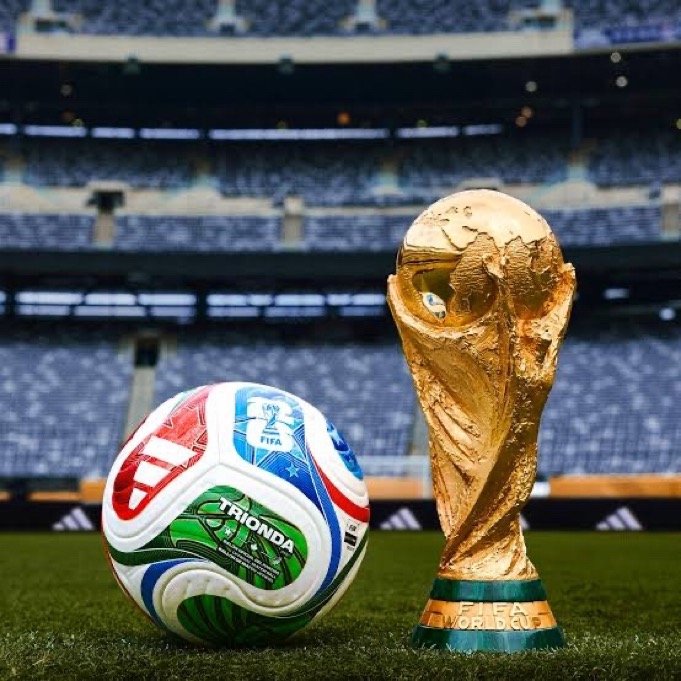
The tournament is scheduled to open on Thursday, June 11, 2026, in Mexico City. As the opening whistle approaches, these lingering ticketing issues remain a major talking point. With millions of fans still hoping to catch a game, the balance between generating necessary revenue and ensuring fair, equitable access remains the defining challenge for FIFA's 2026 operations. The organization now faces the delicate task of restoring public trust in its digital infrastructure before the global spotlight turns exclusively to the action on the pitch.