FIFA has proposed increasing football development funding to $6.35 billion between 2027 and 2030, with each of its 211 member associations set to receive up to $25 million under the proposed programme. The plan follows the commercial success of the expanded 48-team 2026 FIFA World Cup and would involve distributing more than $3.5 billion from the organisation’s financial reserves.
The proposal, announced following a FIFA Council meeting in Zurich on October 15, 2026, is designed to increase investment in football development worldwide, including grassroots programmes, youth and women's football, and sporting infrastructure. However, the plan still requires further work by FIFA committees and approval by the organisation's member associations.
Each FIFA Member Association Could Receive $25 Million
Under the proposal, each of FIFA's 211 member associations would receive $25 million during the 2027–2030 funding cycle. This represents a substantial increase from the previously planned allocation of $10 million per association for the same period.
The proposed programme would also increase funding for FIFA's six continental confederations, with each expected to receive $99 million over the four-year period. The final distribution arrangements would be determined through FIFA's approval process.
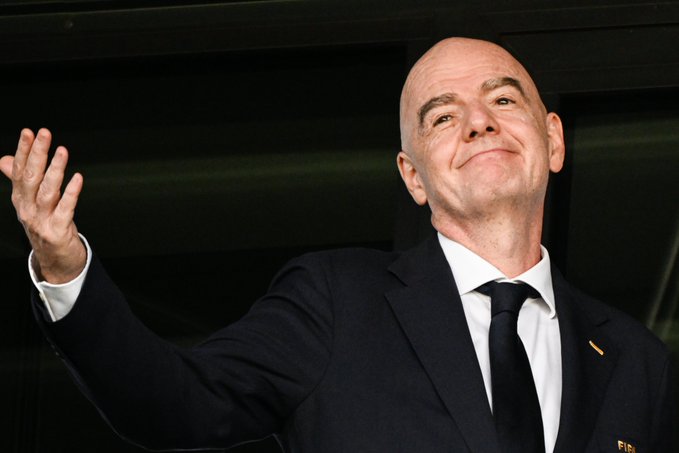
FIFA President Gianni Infantino said the proposed investment reflects the governing body's commitment to directing more of its financial resources towards developing the sport across its global membership.
According to FIFA, the organisation has increased its planned funding allocation per member association from $1 million when Infantino became president in 2016 to a proposed $25 million for the next cycle. The figures reflect FIFA's stated funding progression, although the applicable programmes and funding conditions have changed over time.
FIFA Plans to Use More Than $3.5 Billion From Its Reserves
A central part of the proposal is the use of more than $3.5 billion from FIFA's financial reserves to support the increased investment.
FIFA said its forecast surplus for the 2023–2026 financial cycle stands between $5.2 billion and $5.6 billion, although the estimate is unaudited. The organisation has proposed retaining $1.7 billion in reserves to cover unforeseen circumstances while making additional funding available for football development.
The proposed $6.35 billion programme would cover funding for member associations, continental confederations and other eligible football stakeholders between 2027 and 2030.
The final rules will determine how the money is allocated, the conditions recipients must meet and the procedures for approving, monitoring and auditing projects. FIFA has indicated that funding will be aligned with priorities such as women's and youth football, long-term development projects and infrastructure.
2026 World Cup Commercial Success Supports the Plan
The proposed funding increase follows the unprecedented commercial returns associated with the 2026 FIFA World Cup, the first edition of the men's tournament to feature 48 teams.
The expanded competition, hosted by the United States, Canada and Mexico, provided FIFA with a substantially larger commercial platform. The organisation has cited the tournament's financial performance as the basis for increasing the resources available for football development during the next four-year cycle.
The proposal would direct part of those financial gains towards national football associations, many of which depend on FIFA funding to support facilities, competitions, coaching programmes and other development activities.
However, the amount ultimately available to each association will depend on the programme's final rules and approval. The proposed $25 million should therefore not be interpreted as an unconditional payment that has already been released.
Proposal Follows Controversy Over FIFA's Abandoned Investment Plan
The funding proposal comes after FIFA abandoned its controversial FIFA Forward Enterprise initiative, which had been designed to attract private investment into the organisation's commercial operations.
The earlier plan drew criticism from several football leaders over its structure and the consultation process. FIFA subsequently withdrew the initiative and addressed the controversy during its October 15 Council meeting. Infantino apologised for mistakes made in the project's handling and communication, according to FIFA's official statement.
The issue has intensified debate over FIFA's reserves and how much of its financial resources should be distributed to national associations.
The new proposal focuses on increasing direct development funding without reviving the abandoned investment initiative. FIFA has also established a working group to examine potential governance reforms, while other reviews will consider disciplinary procedures and the organisation's Peace Prize.
When Could the Funding Be Approved?
FIFA said the proposed programme's eligibility rules, application procedures, approval process, disbursement arrangements and auditing requirements will be developed further before the plan is finalised.
The relevant FIFA committees are expected to complete their work ahead of a FIFA Council meeting in December 2026. The proposal would then be submitted for approval at the 77th FIFA Congress in March 2027.
If approved, the programme would expand the funding available to national associations and other football organisations during the 2027–2030 cycle.
For national federations, the additional resources could provide opportunities to invest in facilities, youth development, women's football and long-term football projects. The extent of those benefits will depend on the final funding arrangements and how individual associations use the money.