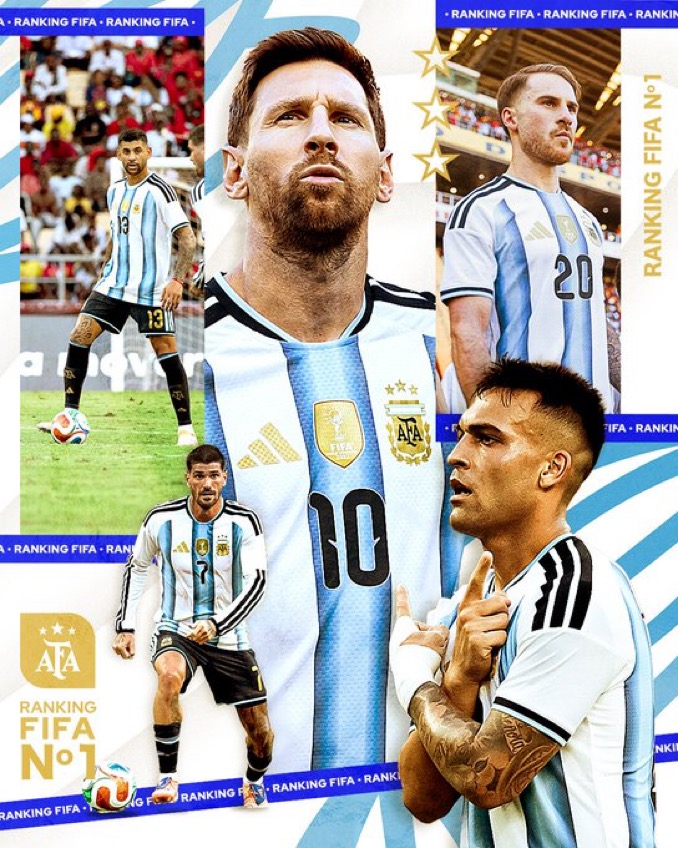
BUENOS AIRES — In the high-stakes theater of international football, prestige is often measured by the FIFA World Ranking—a dynamic, mathematical reflection of a nation's competitive standing. As the footballing world turns its collective gaze toward the 2026 FIFA World Cup, Argentina finds itself once again at the pinnacle. Following a week of unexpected results across Europe, Lionel Scaloni’s Albiceleste are poised to reclaim the number one spot, reasserting their status as the preeminent force in the global game.
The Shift at the Top
The reshuffling of the FIFA hierarchy is a direct consequence of recent instability among the current ranking elite. In a sport where margins are razor-thin, the recent international friendly window proved to be a brutal reality check for the traditional powerhouses. Spain, aiming to solidify their credentials, were held to a frustrating 1-1 draw by a resilient Iraq side in La Coruña. Simultaneously, France—a team synonymous with recent dominance—suffered a shock 2-1 defeat to the Ivory Coast in Nantes.
These results, while seemingly isolated, have triggered a significant ripple effect in the FIFA coefficient system. With France and Spain stumbling, the path was cleared for Argentina to ascend back to the summit. Projections based on the latest match data place Argentina comfortably ahead with an estimated 1,874 points. This return to the top is a homecoming for the reigning world champions, who occupied the number one position following their historic 2022 World Cup triumph until a brief period of displacement in July 2025.
The Weight of History: Deciphering the "Curse"
Returning to the number one position is, on its face, a testament to Argentina's relentless consistency under Lionel Scaloni. Yet, for the Argentine camp and their legion of supporters, the milestone is accompanied by a heavy weight of historical apprehension. Among the global football community, a persistent narrative known as the "Curse of the Number One" has taken root.
Since the inception of the FIFA World Rankings in 1992, the statistical correlation between entering a World Cup as the world’s top-ranked side and lifting the trophy has been non-existent. In the three decades that this system has been in place, no national team has successfully navigated the tournament as the number one seed to become world champions.
The historical evidence used to justify this "curse" is extensive and serves as a sobering reminder of the volatility of tournament football:
-
1994: Germany entered the tournament as the heavy favorites and the top-ranked nation, only to see Brazil eventually hoist the trophy.
-
1998: Top-ranked Brazil navigated their way to the final, only to be overwhelmed by a brilliant French side on home soil.
-
2002: France arrived in Asia as the number one seed, but were subject to one of the most surprising early exits in the history of the sport, paving the way for Brazil’s triumph.
-
2006 & 2010: Brazil arrived at both the Germany and South Africa tournaments as the leaders of the rankings, only to be overtaken by Italy and Spain, respectively, who demonstrated superior tactical coherence at the critical moment.
-
2014 & 2018: Neither Germany nor France, entering as the top-ranked sides in their respective cycles, managed to defend their status as world champions, succumbing to the intense pressure that accompanies the top seed.
-
2022: Brazil led the rankings heading into the Qatar World Cup. While they were heavily favored, Argentina ultimately claimed the title, further fueling the legend of the ranking curse.
Beyond Statistics: The Quest for Historical Greatness
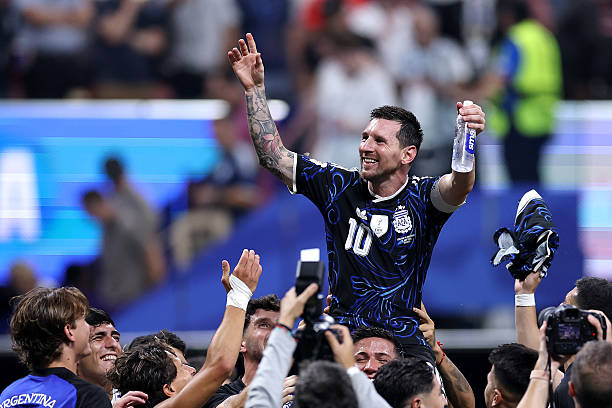
For Lionel Messi and his teammates, the ranking is merely a byproduct of their process, not the objective. As the team prepares for the 2026 tournament, they face a challenge far more daunting than any statistical trend. They are attempting to become the first nation in 64 years to successfully defend a World Cup title—a feat not achieved since the legendary Brazilian sides of 1958 and 1962.
It is a milestone that has eluded Argentina throughout its history. While they have enjoyed periods of immense dominance, the ability to sustain that excellence across two consecutive tournament cycles remains the final, ultimate hurdle for this generation of players.
The upcoming tournament, hosted across North America, provides the stage for this historic attempt. The Albicelesteunderstand that historical trends are born of circumstances, not destiny. Whether it is the pressure of the top seed or the weight of being defending champions, Argentina is focusing on the only factor within their control: their performance on the pitch.
The Road Ahead
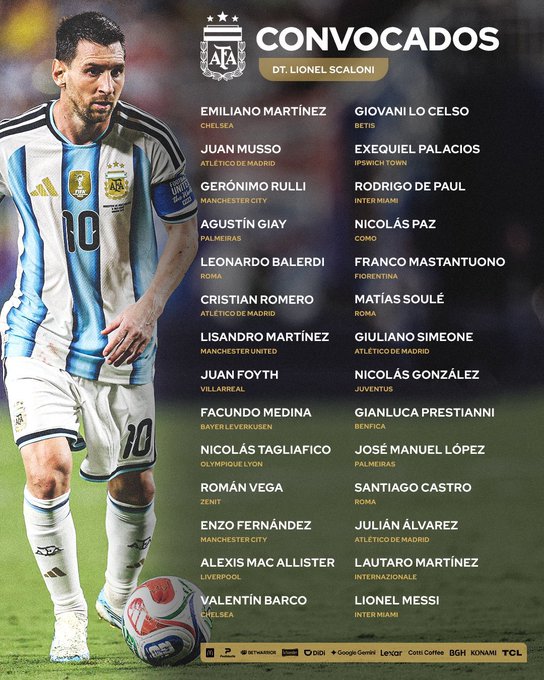
As the tournament kickoff approaches on June 11, the mood in Buenos Aires is one of cautious optimism. The team’s final friendly against Honduras this Saturday serves as the final calibration for Scaloni before the true campaign begins.
The players, coaches, and staff are acutely aware that they are being hunted. Every other nation will view a victory over the world’s number one-ranked team as the crowning achievement of their own campaign. However, this is a group defined by its ability to thrive under pressure. By focusing on tactical discipline, internal camaraderie, and the individual genius of leaders like Lionel Messi, Argentina aims to render the "curse" irrelevant.
They are not just playing for a ranking; they are playing for immortality. If they can transcend the statistical noise and the weight of history, this Argentina side will secure a legacy that goes far beyond any table or coefficient. As the eyes of the world turn to North America, the message from the Argentine camp is definitive: performance matters far more than trends. The pursuit of a second consecutive title is not about maintaining a ranking—it is about cementing a dynasty.