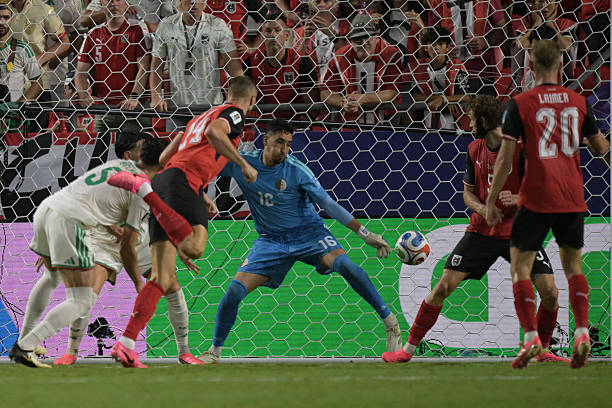
KANSAS CITY — In one of the most exhilarating and consequential encounters of the 2026 FIFA World Cup, Algeria and Austria played out a breathtaking 3-3 draw at Arrowhead Stadium. The match was more than just a contest of skill; it was a high-stakes tactical chess match that ultimately served the ambitions of both nations. By sharing the spoils, both teams secured their passage into the Round of 32, with Austria confirming their status as Group J runners-up and Algeria advancing as one of the tournament’s top-eight third-placed sides. The result triggered scenes of unbridled joy from both sets of supporters, as two underdogs successfully navigated the pressures of the group stage to keep their World Cup dreams alive.
A Tactical Opener and the Austrian Breakthrough
The match began with a period of intense tactical caution, as both sides prioritized defensive stability over attacking flair. Given the qualification stakes, neither manager was willing to overcommit, leading to a crowded midfield and a lack of clear-cut opportunities in the opening twenty minutes. However, the momentum shifted significantly following the first hydration break, as both squads returned to the pitch with a renewed sense of urgency.
Austria drew the first blood in the 28th minute, thanks to the visionary play of David Alaba. The veteran defender delivered an exquisite, defense-splitting long-range pass that completely bypassed the Algerian backline. Marko Arnautović, demonstrating the predatory instincts that have defined his career, timed his run to perfection, sliding a composed finish past Algerian goalkeeper Oussama Benbot. The goal forced Algeria to abandon their cautious approach. While they struggled to find an immediate reply, they eventually pierced the Austrian defense on the stroke of halftime. Rafik Belghali produced a moment of individual brilliance, weaving through a congested Austrian defense before firing an unstoppable strike into the roof of the net to level the scores.
Second-Half Intensity and the Mahrez Factor
The second half mirrored the high-octane intensity of the first, with both sides trading blows in a display of attacking ambition. Marcel Sabitzer restored Austria's lead in the 55th minute, rifling a powerful, technical strike from the edge of the penalty area that left the keeper scrambling. Once again, however, Algeria showcased their resilience. In the 60th minute, captain Riyad Mahrez stepped onto the stage, finishing a well-constructed, flowing move initiated by Houssem Aouar to equalize at 2-2.
Read Also: Algeria Eliminate Jordan from World Cup with Come-From-Behind Victory
The game evolved into a frantic end-to-end spectacle. Both benches utilized their squad depth, and the tactical battle intensified as the clock ticked toward stoppage time. It appeared that the points would be shared, but the match exploded into life in the dying moments. In the 93rd minute, Mahrez appeared to have secured a historic, dramatic victory for Algeria with a clinical low finish that seemed to deflate the Austrian ranks. But football is a game of fine margins, and in the final seconds of the match, Austria’s Saša Kalajdžić rose highest to head home a desperate equalizer. The goal sparked wild celebrations in the stands, ensuring both teams claimed the point necessary to punch their tickets to the knockout stage.
Historical Significance and the Path Forward
This result stands as a landmark moment in Austrian football history, as the nation reaches the World Cup knockout rounds for the first time since 1954. After seven decades of anticipation, the current Austrian generation has proven they possess both the tactical discipline of manager Ralf Rangnick and the mental fortitude to perform on the global stage. For Algeria, the achievement is equally significant, as they continue to solidify their reputation as a resilient, world-class side capable of testing any opponent.
As the tournament progresses, the logistical and physical challenges will only increase. Austria now faces a daunting trip to Los Angeles to face a highly formidable Spain side in the Round of 32. It will be a test of their defensive resolve against one of the most clinical attacking teams in the world. Meanwhile, Algeria will head to Vancouver to challenge Switzerland. The Swiss, known for their tactical organization and tournament experience, will provide a distinct test for the Desert Foxes.
Ultimately, the 3-3 draw in Kansas City will be remembered not just for the goals, but for the refusal of either team to accept defeat when the stakes were highest. For the fans in attendance, it was a showcase of everything that makes the FIFA World Cup the pinnacle of the sport—passion, drama, and the relentless pursuit of progress. As these two nations prepare for their next challenges, they do so with the confidence that they have already proven their merit among the best in the world.