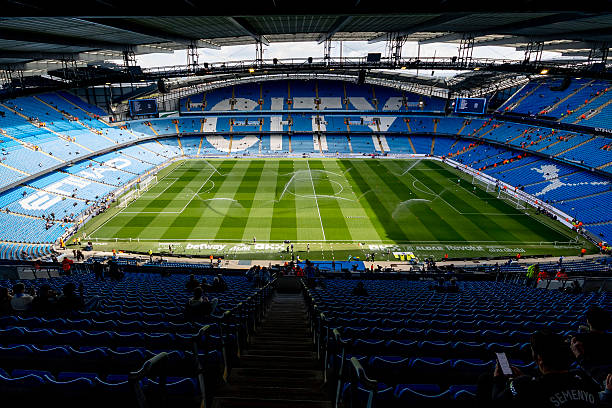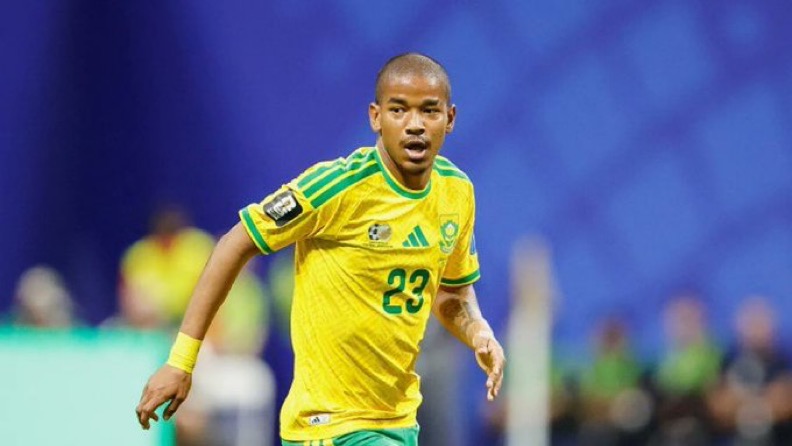
ATLANTA — The second round of Group A fixtures at the 2026 FIFA World Cup saw the Czech Republic and South Africa battle to a hard-fought 1-1 draw at the Atlanta Stadium on June 18, 2026. In a match defined by high stakes and desperate necessity, both sides sought to revitalize their tournament campaigns following opening-match defeats. While the share of points kept both nations mathematically alive in the competition, the result left both teams in a precarious position, intensifying the pressure heading into the final round of the group stage.
Early Dominance and the Czech Breakthrough
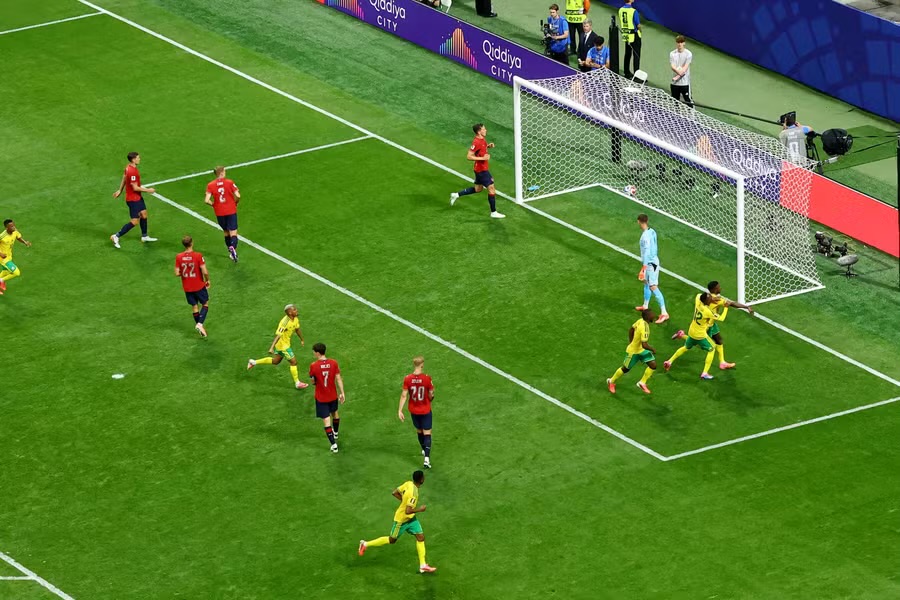
The match began with an immediate burst of intensity from the Czech Republic, who appeared determined to rectify the errors of their tournament opener. Their early aggression was rewarded just six minutes into the contest. A sophisticated, triangular passing sequence inside the penalty area unpicked the South African defense, allowing Michal Sadílek to receive a clever assist from Alexandr Sojka. Sadílek finished with poise, firing a cross-shot into the net to give the Europeans a crucial 1-0 lead.
For much of the first half, the Czech Republic maintained control, utilizing their aerial superiority and disciplined defensive structure to stifle South Africa’s attempts at a rhythm. Bafana Bafana, clearly rattled by the early deficit, struggled to find the creative spark necessary to break through the Czech low block. Despite showing occasional glimpses of attacking intent, South Africa was unable to register a meaningful effort on target until deep into the match, frequently finding themselves frustrated by the physicality of the Czech midfield.
South Africa’s Resilient Response
As the match progressed into the second half, the tactical narrative began to shift. South Africa, despite the pressure of their tournament survival, grew into the contest. Manager Hugo Broos made adjustments to the midfield dynamic, encouraging his side to press higher and challenge the Czech defense’s composure. The Bafana Bafana became increasingly purposeful, particularly in the final third, as they utilized the pace of their wingers to expose gaps in the Czech backline.
The breakthrough for South Africa finally arrived in the 83rd minute, changing the complexion of the match. A shot from the South African attack was judged to have struck the arm of substitute Pavel Šulc within the penalty area, resulting in a penalty kick. Teboho Mokoena, demonstrating remarkable nerves under intense pressure, stepped up to the spot and confidently buried the ball into the bottom left corner, deceiving goalkeeper Matěj Kovář. The equalizer sparked a chaotic final ten minutes, as both teams suddenly abandoned their defensive caution in pursuit of a late, game-winning goal, though neither could find the clinical edge to settle the tie.
Implications for Group A and Tournament Progression
The 1-1 draw left both the Czech Republic and South Africa with a single point after two matches, leaving the group tightly balanced. The result did little to ease the burden on either squad, effectively turning the final round of fixtures into "must-win" scenarios. For South Africa, the challenge is steeped in historical significance; the nation has never progressed beyond the group stage in its previous World Cup appearances, and the pressure to rewrite that narrative remains immense. Similarly, for the Czech Republic, the 2026 tournament represents a return to the global stage, and they face the daunting prospect of needing a victory to keep their ambitions of a knockout-stage run alive.
As both managers return to the drawing board, the focus shifts entirely to the final matches of the group stage. The Atlanta encounter highlighted both the defensive discipline the Czech Republic can muster and the offensive grit South Africa possesses when pushed to the brink. With Mexico having already asserted dominance at the top of Group A, the battle for the second qualification spot—or the slim chance to progress as a high-performing third-place side—will be the defining narrative of the upcoming matches. Every possession and every defensive rotation in the final round will now serve as a barometer for these teams' true tournament potential, as only one can hope to extend their stay in the 2026 FIFA World Cup.