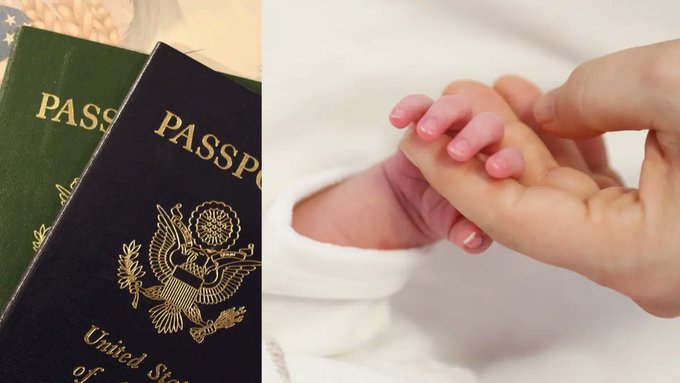
The policy targets people and businesses accused of knowingly arranging or profiting from commercial birth tourism, including visa intermediaries and certain foreign medical providers.
U.S. targets birth tourism networks with new visa policy
The United States has announced new visa restrictions targeting individuals who knowingly engage in, facilitate or profit from commercial “birth tourism,” escalating the Trump administration’s efforts to address what it describes as organized immigration and visa fraud.
U.S. Secretary of State Marco Rubio announced the policy on September 23, 2026, saying it would be implemented under Section 212(a)(3)(C) of the Immigration and Nationality Act.
The measure is aimed particularly at people involved in commercial networks that arrange travel to the United States for foreign nationals who intend to give birth there for the purpose of obtaining U.S. citizenship for their children.
The State Department said the policy could cover owners, operators and managers of commercial birth tourism networks, visa intermediaries who coach applicants to commit fraud, foreign medical providers who knowingly facilitate such travel and other people who support or enable commercial birth tourism.
What the new restrictions target
The policy is not described as a blanket visa ban on pregnant foreign nationals.
Instead, it focuses on people whom U.S. authorities determine have knowingly participated in or facilitated birth tourism activities.
Among those specifically identified are operators and managers of commercial birth tourism businesses. Such networks can arrange accommodation, medical services, transportation and other logistical support for clients travelling to the United States.
The policy also targets so-called visa “fixers” who coach applicants to misrepresent the purpose of their trip during the visa application process.
Foreign medical providers may also be affected where U.S. authorities determine that they knowingly assisted birth tourism arrangements or fraudulent use of the U.S. Medicaid system.
The State Department's announcement said certain family members of people covered by the restrictions may also be subject to the policy.
Why Washington is targeting the industry
The Trump administration has argued that commercial birth tourism networks exploit U.S. immigration procedures by marketing packages to foreign nationals seeking to have children in the United States.
According to Rubio's announcement, some operators advertise these services and coach clients on how to conceal their actual travel intentions from U.S. visa officials.
The administration says such activity can involve the collection of large amounts of money from clients and, in some cases, fraudulent claims involving public benefits.
The State Department's policy therefore combines immigration enforcement with an effort to target the businesses and intermediaries that organize such trips rather than focusing solely on individual travellers.
Rubio said the administration was using the new restriction to target people who both participate in and profit from what it considers fraudulent activity.
Birth tourism was already restricted under U.S. visa rules
The latest announcement does not mean the United States has only now prohibited birth tourism.
The State Department has long maintained that a visitor visa cannot be used when the primary purpose of the trip is to travel to the United States to give birth so that the child obtains U.S. citizenship.
The administration has now moved to expand the consequences for people who facilitate such activity.
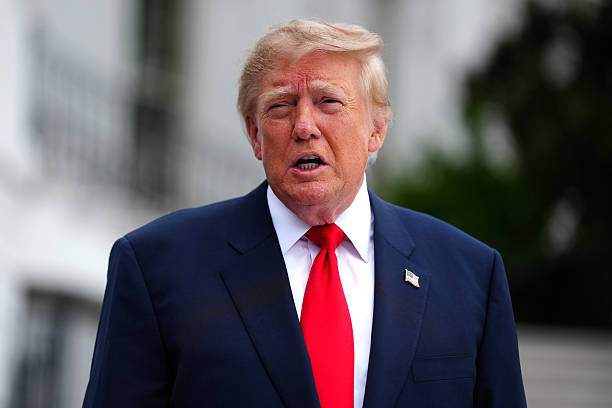
A presidential executive order signed by Donald Trump on August 6 directed the State Department and Department of Homeland Security to take additional measures against birth tourism.
The order defines birth tourism as entering the United States on a nonimmigrant visa for the purpose of giving birth on American soil, as well as efforts to facilitate such entry for another foreign national.
The executive order allows authorities, within their legal authority, to consider measures including preventing entry, denying or revoking visas or other travel authorizations, removing individuals from the country and permanently barring entry in certain cases. It also directs authorities to take action against entities and individuals involved in facilitating birth tourism.
New policy comes after broader crackdown
The latest visa restrictions are part of a broader U.S. government campaign against birth tourism.
In August, the State Department established a task force focused on combating the practice and said it was working with the Department of Homeland Security to prevent nonimmigrant visas from being exploited for purposes outside their intended use.
The White House has also framed the issue as part of its wider immigration enforcement agenda, arguing that temporary visa categories should not be used as a means of obtaining longer-term immigration benefits.
The August executive order instructed federal agencies to develop policies and operational guidance to implement the administration's position.
What this means for visa applicants
For ordinary travellers, the key distinction is between legitimate travel during pregnancy and travelling primarily to give birth in the United States for the purpose of obtaining citizenship for a child.
The new policy specifically focuses on people who knowingly participate in or facilitate birth tourism.
That means the announcement should not automatically be interpreted as a rule preventing every pregnant foreign national from travelling to the United States.
However, applicants whose circumstances indicate that giving birth in the United States is the primary purpose of their proposed trip could face visa or entry consequences under existing rules and the administration's expanded enforcement measures.
The State Department continues to assess whether applicants qualify for the visa category they are seeking and whether they intend to comply with the conditions attached to admission.
Medical providers and travel intermediaries face greater scrutiny
One of the notable elements of the new policy is its focus on people outside the United States who help organize birth tourism.
Travel agents, intermediaries, medical providers and other service providers could face consequences if authorities determine that they knowingly facilitated an unlawful scheme.
The policy therefore extends beyond the individual who ultimately travels to the United States.
That approach follows the administration's stated view that commercial networks are an important part of the birth tourism industry.
A Texas investigation earlier in 2026 also highlighted scrutiny of businesses accused of advertising birth-related packages to foreign nationals. The case involved claims concerning services advertised to prospective foreign clients, although the medical facility involved denied supporting unlawful activity.
Legal authority behind the announcement
Rubio said the new visa restrictions are being implemented under Section 212(a)(3)(C) of the Immigration and Nationality Act.
That provision allows the Secretary of State to determine that an individual's entry or proposed activities could have potentially serious adverse foreign-policy consequences for the United States.
The new policy therefore uses an existing immigration-law mechanism to impose visa restrictions on individuals whom the administration identifies as participating in or facilitating birth tourism.
The administration has also indicated that implementation will operate within existing immigration law and applicable legal authorities.
Broader implications for international travellers
The announcement is likely to attract attention among international travellers because birth tourism has developed into a commercial industry involving travel arrangements, accommodation, medical services and immigration advice.
For people considering travel to the United States during pregnancy, the distinction between legitimate medical travel and birth tourism will remain important.
The U.S. government says medical treatment itself can be a legitimate reason for travel when applicants satisfy the applicable requirements. What is prohibited is using a visitor visa for a trip whose primary purpose is giving birth in the United States to obtain citizenship for the child.
The latest policy adds another layer by targeting people who organize or profit from such arrangements.
For businesses and intermediaries operating internationally, the announcement means that activities connected to arranging birth tourism could carry immigration consequences even when the facilitators themselves are not the people travelling to the United States.
The State Department's latest action therefore represents a further expansion of the U.S. government's enforcement approach toward commercial birth tourism, following the August executive order and the establishment of a dedicated task force.
For now, the central change is the government's decision to use visa restrictions specifically against people it identifies as knowingly participating in or facilitating the practice, rather than treating the issue solely as a matter involving individual travellers.