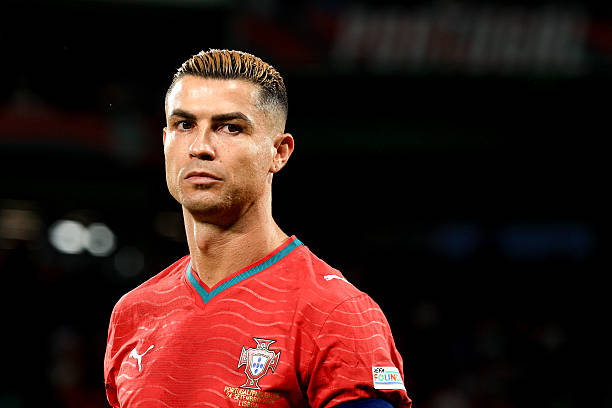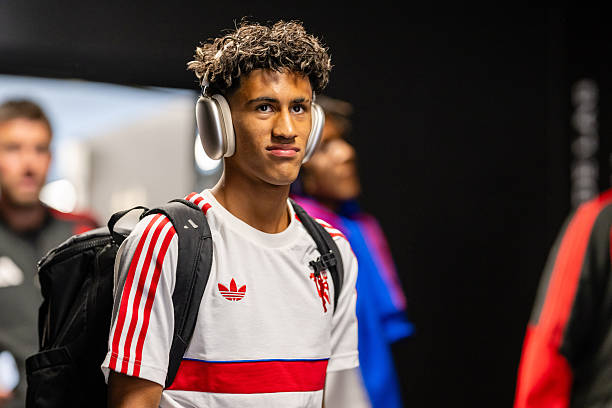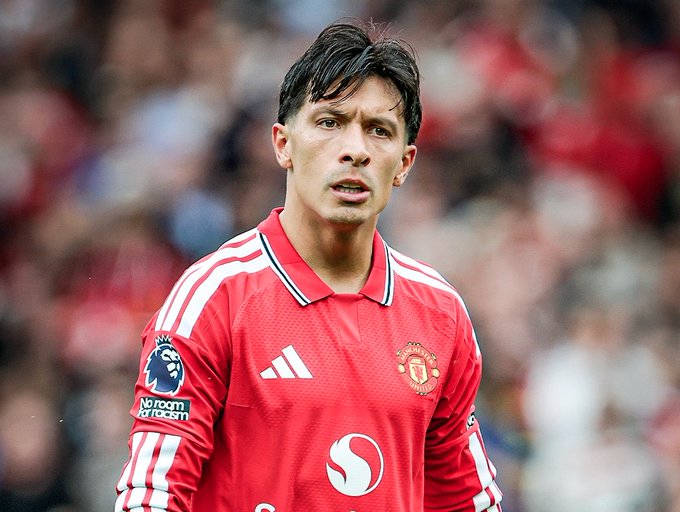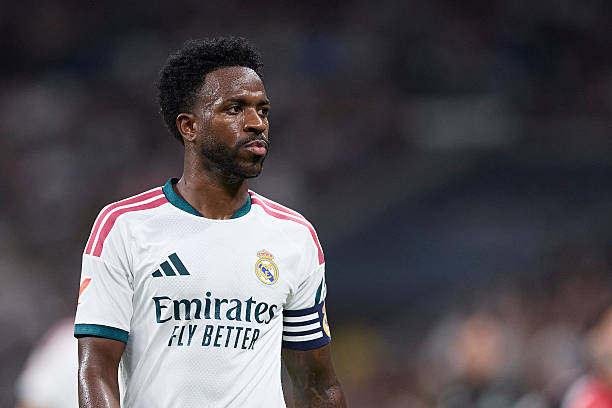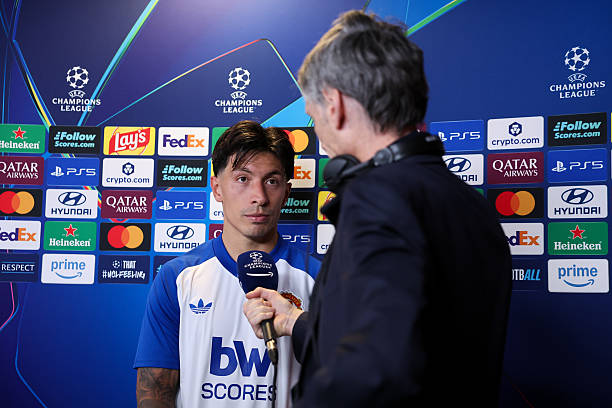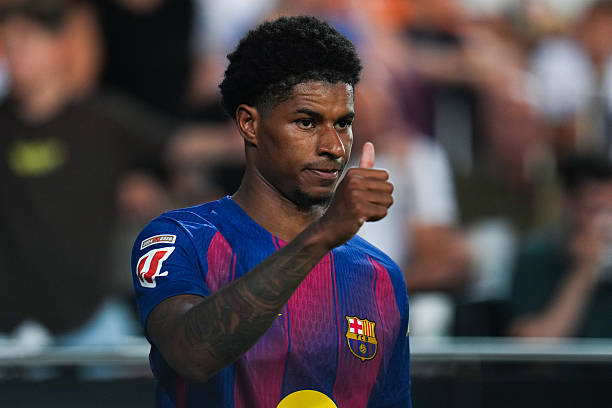
BARCELONA — English forward Marcus Rashford has officially released a public statement bids farewell to FC Barcelona following the natural conclusion of his season-long loan spell in Catalonia.
The 28-year-old Manchester United academy graduate took to social media on Thursday to express his deep appreciation to the Spanish powerhouse, its coaching staff, and the fanbase after a productive individual campaign in LaLiga. In an emotional farewell message, the international attacker highlighted the positive nature of his tenure at the Spotify Camp Nou before confirming his physical return to Manchester United for pre-season preparations.
"Extremely grateful to everyone at the club for turning my time here into such a positive and unforgettable experience," Rashford stated. "I’ve loved every moment and will carry those special memories with me. Wishing the club and all the fans the very best of luck and massive success this season. Visca el Barça!"
Despite Rashford’s impressive productivity on the pitch—where he delivered fourteen goals and fourteen assists across forty-nine appearances to help Barcelona secure the LaLiga title and the Spanish Supercopa—the Catalan club ultimately decided against activating their formal buyout clause set at thirty million Euros.
Barcelona’s Financial Strategy: Why the Catalan Giants Passed on the Thirty-Million Euro Option
To understand why Barcelona elected not to execute their fixed purchase option on an attacker who contributed twenty-eight direct goal involvements, it is necessary to analyze the complex financial constraints and squad planning frameworks operating within LaLiga.
Throughout recent seasons, Barcelona has operated under strict financial fair play salary caps enforced by LaLiga executive management. These fiscal regulations limit a club's total wage expenditure relative to its overall operational revenue.
Although Rashford’s performance metrics surpassed internal expectations, completing the permanent transfer required a significant capital allocation including the thirty-million-euro transfer fee alongside long-term structural wage commitments.
Internal sources confirmed that while Barcelona leadership remained initially open to negotiating a secondary loan agreement or securing the forward for a reduced transfer fee, the club’s strategic priority shifted toward younger wing prospects with different tactical profiles.
The subsequent multi-million-euro acquisitions of English international Anthony Gordon from Newcastle United for seventy million Euros and German forward Karim Adeyemi from Borussia Dortmund for twenty-two million Euros effectively slammed the door shut on a permanent stay for Rashford.
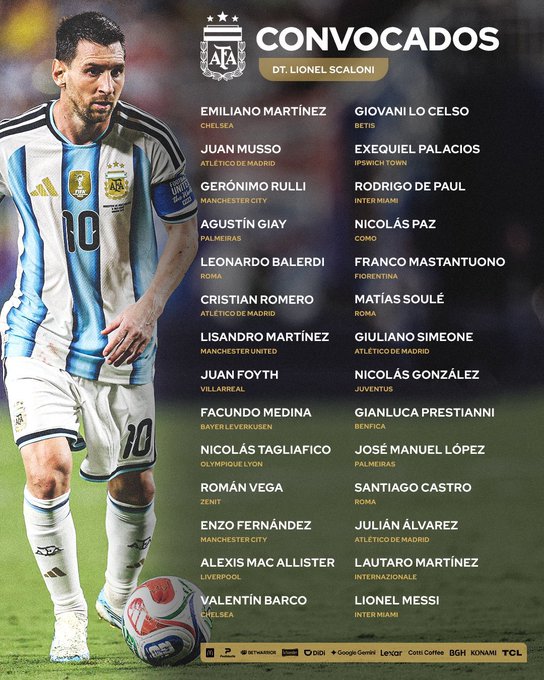
Furthermore, with veteran striker Robert Lewandowski departing the club, Barcelona hierarchy has elected to conserve its remaining financial leverage to pursue a marquee central striker, identifying Argentina and Atlético Madrid goalscorer Julián Álvarez as their primary transfer target for the current window.
The Carrington Crossroads: Reintegration Challenges Under Michael Carrick at Manchester United
Following his inclusion in the England national squad that secured a third-place finish at the recent World Cup in North America, Rashford is currently observing a mandatory post-tournament holiday period.
He is scheduled to report back to Manchester United’s Carrington training complex in early August to initiate fitness tests ahead of the new Premier League campaign, which begins with an opening fixture against newly promoted Hull City on August 22.
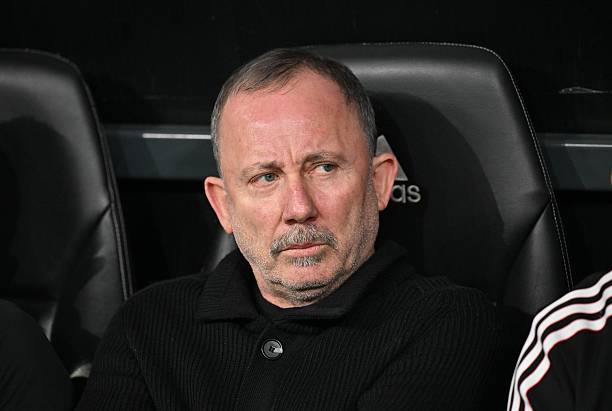
However, his long-term future under Manchester United manager Michael Carrick remains deeply uncertain. Tactical analysts point out that Carrick’s strategic system relies heavily on high-intensity defensive pressing, strict positional discipline from wide attackers, and precise transitional play.
During the period leading up to his initial loan exit, Rashford struggled to find consistent form within United's tactical blueprint, leading to questions over whether his skill set aligns with Carrick’s long-term operational philosophy.
Addressing the media regarding Rashford's prospective return, Carrick maintained a diplomatic stance, asserting that internal discussions regarding the forward's role will take place when the player returns to training.
Simultaneously, United management has established a clear commercial valuation, seeking up to forty million Euros for a permanent transfer. The club's executive committee prefers a definitive overseas sale rather than sanctioning another loan move or sanctioning a domestic transfer to a direct Premier League competitor.
Expert Breakdown: Loan Structures, Buyout Clauses, and Financial Fair Play Dynamics
The circumstances surrounding Marcus Rashford’s return to Old Trafford illustrate the intricate financial and legal mechanisms governing elite modern football transfers.
When top-tier clubs execute a temporary transfer featuring an option to buy, the contract establishes a pre-determined transfer fee that the borrowing club can trigger at its discretion before a specified legal deadline.
Unlike a mandatory obligation to buy which legally forces the borrowing club to purchase the player regardless of performance or financial condition—an optional buyout clause leaves complete tactical and financial autonomy with the acquiring club.
Additionally, loan agreements frequently incorporate salary-sharing arrangements. During Rashford’s tenure at Barcelona, both clubs negotiated specific percentage splits regarding his weekly wages to ensure compliance with LaLiga’s financial controls.
Now that the loan contract has officially expired, the full financial obligation of the player's underlying contract reverts entirely to Manchester United's balance sheet.
If United chooses to retain the forward without integrating him as a primary starter, his high wage structure impacts the club's financial headroom under the Premier League's Profitability and Sustainability Rules, making a definitive resolution a high priority for Old Trafford executives before the transfer window closes.
Background and Timeline: From Old Trafford Stardom to Catalan Resurgence
Marcus Rashford’s career trajectory over the past three seasons highlights a dramatic saga of high-level performance, tactical friction, and elite-level resurgence.
After breaking into Manchester United's first team as a teenager in 2016 and racking up over three hundred senior appearances, Rashford enjoyed the most productive season of his career in 2022/2023, scoring thirty goals across all competitions.
However, subsequent tactical shifts, physical fatigue, and fluctuating team performances led to a decline in domestic output, culminating in reduced playing time and persistent media scrutiny throughout the following campaign.
The move to Barcelona represented a career reset. Arriving in Spain, Rashford adapted quickly to LaLiga’s technical style of play, operating effectively as a left-sided attacking winger and occasional central forward.
His twenty-eight combined goals and assists played a pivotal role in Barcelona’s domestic double, proving his ability to deliver elite output in major European competition.
Despite his successful individual resurgence in Spain, the rapidly changing dynamics of the summer transfer market have left the forward navigating another pivotal career junction.
Why It Matters: Market Impact and Broader Strategic Implications for European Football
The resolution of Marcus Rashford’s transfer status carries substantial ripple effects across the European football ecosystem as major clubs calibrate their squad rosters ahead of the new season.
For Manchester United, managing Rashford’s future represents a crucial test of the club's modern recruitment and squad-building discipline. Securing a forty-million euro transfer fee would generate valuable capital to reinvest in priority positions, helping the club build a balanced squad tailored to Michael Carrick’s tactical specifications.
Conversely, failing to find a suitable buyer could create squad management friction, forcing the club to manage an expensive asset outside of their primary tactical plans.
For Barcelona, opting for new signings like Anthony Gordon and Karim Adeyemi signals a clear strategic commitment to long-term squad reconstruction.
By prioritizing younger wide players and preserving capital for a central striker of Julián Álvarez's caliber, the Catalan club is betting that a restructured frontline will maintain their domestic dominance and improve their competitiveness in international tournaments.
From a global perspective, Rashford’s situation underscores the immense competitive pressure facing elite international players in modern football.
Despite delivering elite individual numbers at one of the world's most prestigious clubs, macro-economic factors, tactical preferences, and regulatory spending limits ultimately dictate the movement of global stars, setting up a high-stakes month of negotiations as the European transfer deadline approaches.