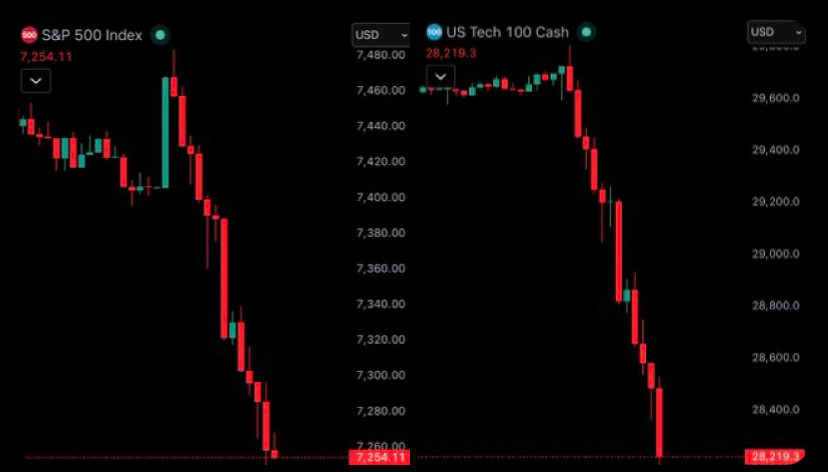
NEW YORK — The U.S. stock market has crashed, with the S&P 500 and Nasdaq Composite tumbling as a massive sell-off in technology stocks collides with escalating geopolitical tensions in the Middle East.
The market turmoil follows a brutal end to the week, where investors began aggressively offloading chip stocks, fearing that recent valuations had disconnected from the underlying economic reality. Friday saw the Nasdaq Composite plummet 4.2% its sharpest decline since April 2025 while the iShares Semiconductor ETF suffered its worst day in more than six years, plunging 10%.
Global Markets in Freefall
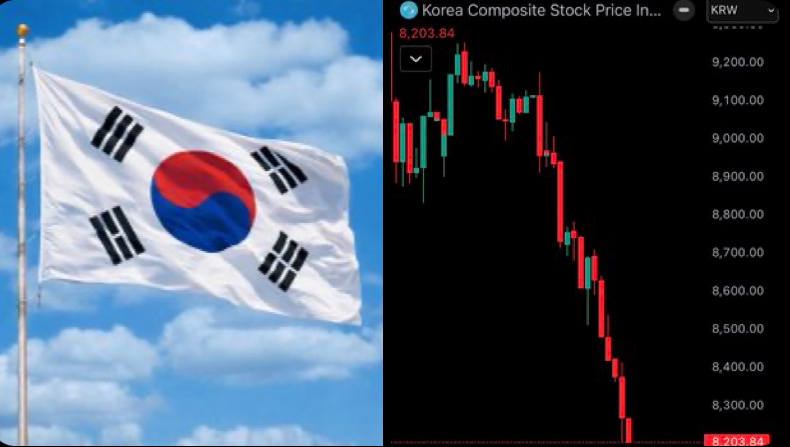
The shockwaves from New York were felt instantly across the globe. Asia-Pacific markets tanked in early trading Monday, with South Korea’s Kospi leading the retreat by crashing more than 8% to settle at 7,484.41. Japan’s Nikkei 225 also took a heavy blow, dropping 3.85% to 64,024.6. Europe’s Stoxx 600 managed a slightly more muted reaction, ending the day marginally lower.
Conflict and Commodity Spikes
Market anxiety has been compounded by Sunday’s missile strikes by Iran, which have cast a shadow over the fragile ceasefire between Washington and Tehran. Although President Donald Trump has ordered an immediate halt to hostilities and claimed that both Israel and Iran are pursuing a deal, investors remain wary of the inflationary impact of the conflict.
Oil prices saw immediate upward pressure as Israel launched large-scale strikes against Iranian defense systems. West Texas Intermediate (WTI) rose 0.84% to $91.30, while Brent crude advanced 1.25% to $94.25. While Iran’s Foreign Ministry has stated that their military operations have ceased, the threat of renewed hostilities in Lebanon keeps the risk of an oil supply shock at the forefront of traders' minds.
The "SpaceX" Test
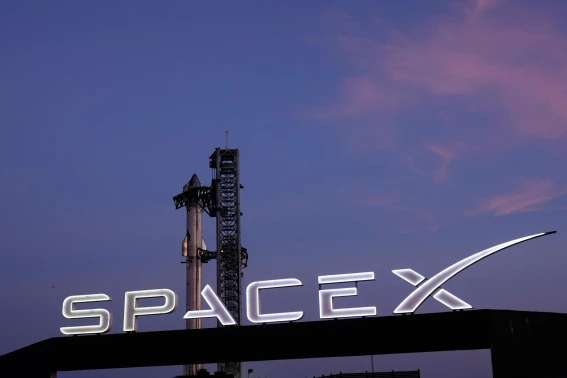
As Wall Street looks for a bottom, the market is bracing for one of the most critical weeks of the year. Investors are laser-focused on upcoming inflation data, but the main event remains the public debut of Elon Musk’s SpaceX on Friday.
Analysts warn that the offering set to be the largest in history could be the final litmus test for the AI-driven market cycle. "Blockbuster offerings have marked the peak of excess in past market cycles," said Callie Cox, chief market strategist at Ritholtz Wealth Management. "There is an awkward silence around what this could signal for sentiment."
While some analysts point to "solid fundamentals" in the U.S. consumer and corporate sector, the current atmosphere remains one of extreme caution as the market prepares for what could be its most defining week of 2026.