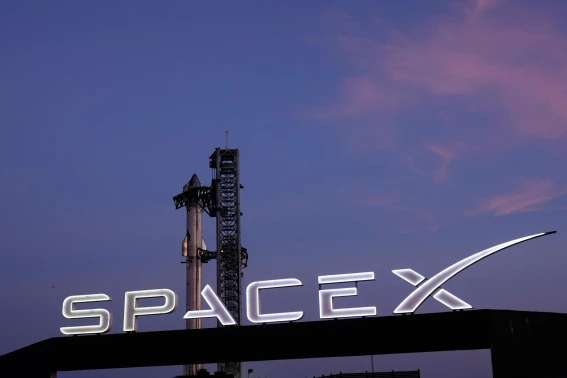
HAWTHORNE, Calif. — In a transformative period that has reshaped the global financial landscape, Space Exploration Technologies Corp. (SPCX) has cemented its status as a cornerstone of the modern industrial economy. Following a historic and record-breaking initial public offering (IPO) on June 12, 2026, the aerospace giant has rapidly ascended the ranks of the world’s most valuable corporations. By leveraging the immense capital raised during its debut, the company has aggressively pivoted toward a strategy that integrates its space infrastructure with an increasingly dominant artificial intelligence division.
A Historic Market Entry
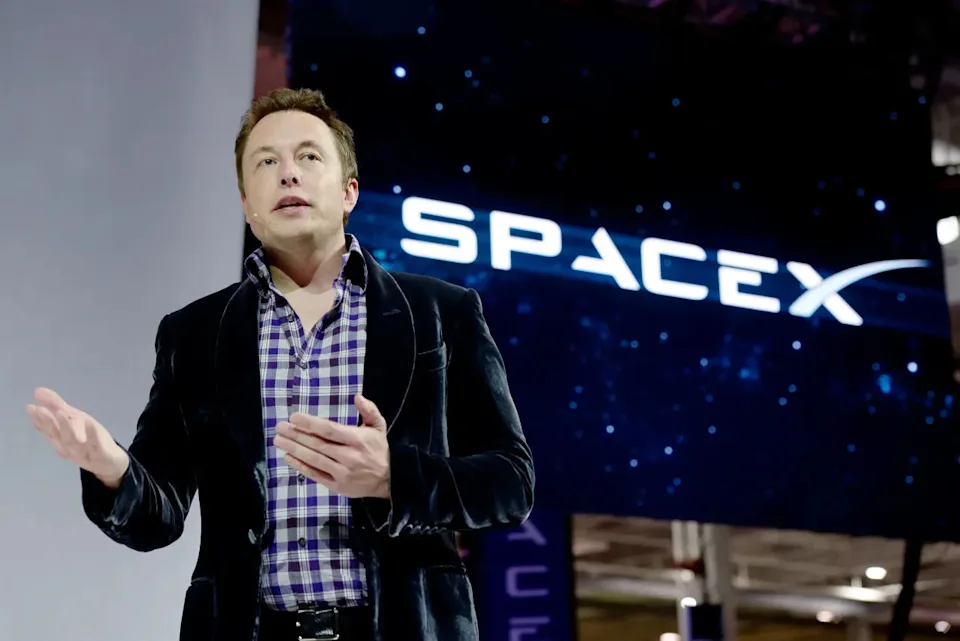
SpaceX’s transition from a private entity to a public powerhouse on the Nasdaq has been characterized by unprecedented investor demand. By raising $75 billion—a figure that subsequently climbed to nearly $86 billion as underwriters exercised options—the company achieved the largest IPO in financial history. The market’s response was immediate and robust; shares surged on their debut, reflecting deep investor confidence in Elon Musk’s multi-pronged vision. This vision encompasses not only the continued scaling of the Falcon and Starship launch programs and the expansion of the Starlink global satellite network but also the integration of frontier AI models.
Consolidating the AI Infrastructure
Bolstering this rapid market ascent is a strategic pivot toward enterprise software and generative AI. On June 16, 2026, SpaceX officially confirmed a definitive agreement to acquire Anysphere Inc., the parent company of the popular AI-powered coding assistant, Cursor, in an all-stock transaction valued at $60 billion. This acquisition is a calculated move to integrate Cursor’s "vibe coding" capabilities—which have gained widespread recognition for their ability to autonomously produce complex software—directly into the broader SpaceX ecosystem.
This move follows the earlier consolidation of Elon Musk’s AI venture, xAI, into the SpaceX umbrella in February 2026. By absorbing xAI and acquiring Cursor, SpaceX has fundamentally transformed from an aerospace-focused firm into a diversified industrial and software powerhouse. The company is now aggressively leveraging the computational capacity of its "Colossus" data center complex in Memphis, Tennessee, to train next-generation AI models and accelerate the development of AI-native products for enterprise clients.
Financial Profile and Analytical Debate
Despite the market’s enthusiasm, SpaceX’s financial profile remains a subject of rigorous scrutiny among analysts. While the company reported $18.67 billion in revenue for the 2025 fiscal year, it also recorded a net loss of $4.94 billion. These losses have persisted into the first half of 2026, driven by the massive capital expenditure requirements of the Starship and orbital data center programs.
Market reactions to these figures remain divided. Bullish analysts, such as those at Wedbush Securities, often frame these losses as essential investments in the "fourth industrial revolution," arguing that the addressable market for space infrastructure and artificial intelligence is sufficiently vast to justify such a premium valuation. Conversely, more conservative market observers warn that the company's valuation is built upon demanding growth assumptions. As noted by analysts at Morningstar, while the path toward a multi-trillion-dollar valuation is theoretically possible given the company's unique position in the space and AI sectors, there is little room for operational error. The market is currently pricing in a scenario where the company's AI division transitions from a cash-heavy drain into a highly profitable engine of growth.
The Path Forward
As SpaceX settles into its life as a publicly traded entity, the broader market will be watching closely to see if it can balance its aggressive engineering philosophy with the disciplined operational requirements of a multi-trillion-dollar public company. The acquisition of Cursor, expected to close in the third quarter of 2026, is a key test of this strategy. By securing a dominant tool for AI-assisted software development, SpaceX is positioning itself at the center of how code will be written and deployed in the coming decade. As the company continues to integrate these diverse business units, its trajectory remains one of the most closely watched narratives in the modern financial world.