ABUJA — Nigeria’s external sector has undergone a massive structural shift, with the country recording a historic ₦7.55 trillion trade surplus in the first quarter of 2026. According to the latest data from the National Bureau of Statistics (NBS), this represents a 341% jump from the ₦1.71 trillion surplus recorded in the final quarter of 2025.
The "Refining Revolution": Petroleum Imports Collapse
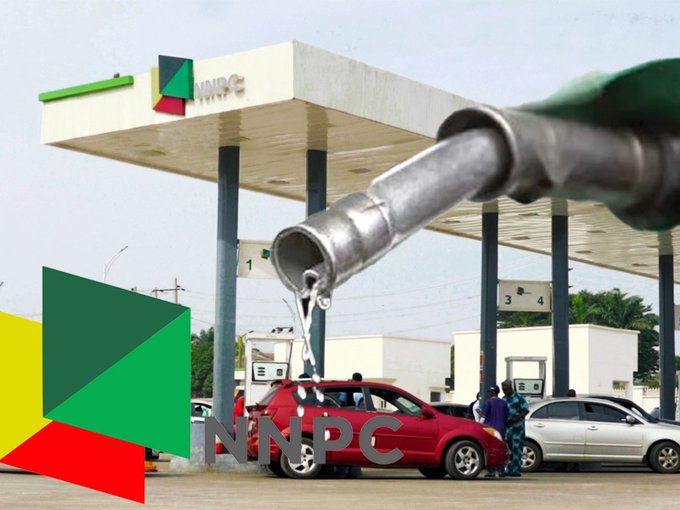
The primary driver of this surplus is a dramatic decline in the nation's import bill, specifically regarding refined petroleum products. Thanks to expanded production at the Dangote Refinery, imports of refined fuel crashed by 85% year-on-year, falling from ₦5 trillion in Q1 2025 to just ₦748 billion in Q1 2026.
This shift has effectively transformed Nigeria from a heavy importer of fuel into a regional energy supplier. Jet fuel has entered Nigeria’s top five export commodities for the first time, while gasoline and diesel have become primary exports to West African neighbors, including Togo, Côte d’Ivoire, and Senegal.


Key Trade Metrics (Q1 2026)
• Total Trade: ₦34.79 trillion.
• Exports: ₦21.17 trillion (60.85% of total trade).
• Imports: ₦13.62 trillion.
• Crude Oil Exports: ₦11.2 trillion (52.92% of total exports).
• Non-Oil Exports: ₦3.19 trillion.

Geopolitical Tailwinds
The surge in trade performance was bolstered by global supply chain disruptions. The Middle East conflict that escalated in late February 2026 tightened global oil supplies, driving increased international demand for Nigerian energy products. Economist Ayo Teriba noted that countries that previously did not rely on Nigeria have begun sourcing fuel from the country to compensate for lost Middle Eastern supply.
Mixed Results for Diversification
While the trade balance is historically strong, the data presents a nuanced picture of Nigeria's diversification efforts:
-
Agricultural Vulnerability: Agricultural exports saw a concerning 31.20% decline to ₦1.17 trillion, with cocoa beans, sesame, and soybeans leading the drop.
-
Raw Materials: This weakness was offset by a 46.83% surge in raw material exports (reaching ₦1.53 trillion), largely driven by robust urea shipments to Brazil.

Trading Partner Landscape
Nigeria’s trade remains heavily concentrated with two Asian powerhouses:
-
China: Remains Nigeria’s largest import source, supplying 37.42% of all imports (₦5.1 trillion).
-
India: Continues to be a top destination for Nigerian exports, receiving ₦2.77 trillion in goods.
-
Europe: Retains its spot as the largest regional market, absorbing 37.44% (₦7.93 trillion) of total exports.
Regional Dominance
Nigeria’s influence within West Africa is deepening. The country now maintains a massive trade surplus with its neighbors, exporting ₦2.27 trillion worth of goods to the region while importing only ₦76.54 billion. This reinforces Nigeria’s position as the primary energy hub for West African logistics and industry.